Latin America’s Evolving Resource Landscape: A New Era for Energy and Mining Investments
The global energy sector is undergoing a profound transformation, and nowhere is this more acutely felt than in Latin America’s vital mining and resource industries. For investors eyeing opportunities in commodities, understanding the shifting regulatory and political currents in this mineral-rich region is paramount. Recent developments, including significant geopolitical trade threats and a burgeoning push for resource sovereignty, signal a new operating environment for both established players and prospective capital.
Consider the immediate impact of political rhetoric on markets: a recent threat of 50 percent tariffs on copper by President Trump swiftly sent prices for the critical industrial metal soaring to unprecedented levels. Such volatility underscores Latin America’s deep exposure to global trade policies, particularly given its indispensable role as a primary supplier of foundational materials. However, beyond these immediate market reactions, a more fundamental recalibration is underway, driven by the imperative of the global green energy transition.
The Green Transition and Resource Sovereignty: A Collision Course
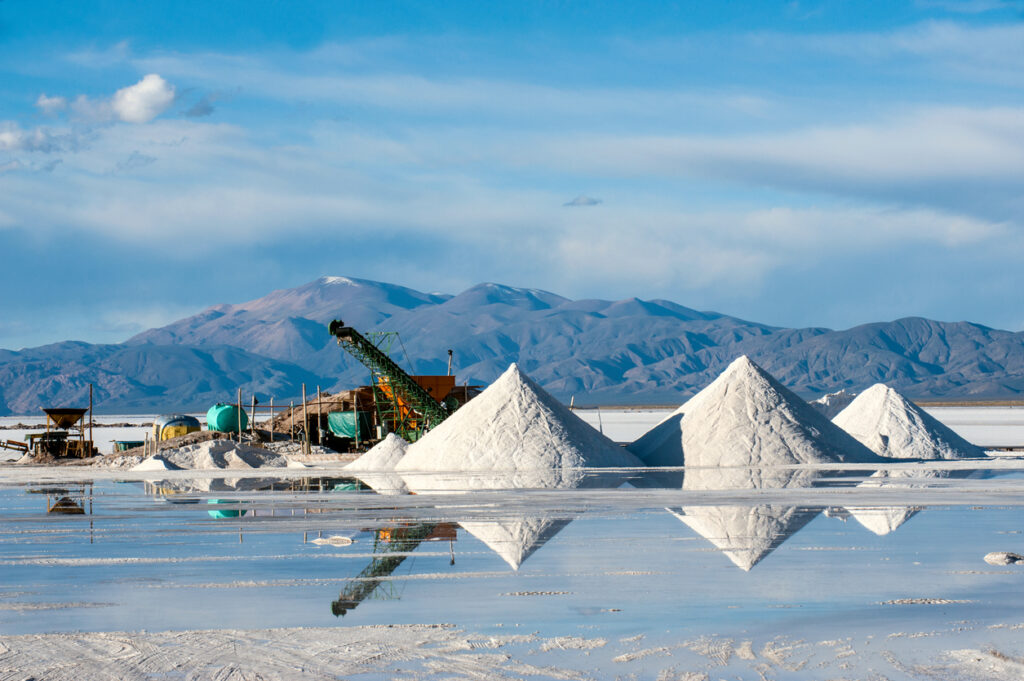
For generations, Latin America has served as the world’s mineral storehouse, providing essential raw materials to fuel global industrial growth. Yet, this abundance has often been characterized by an extraction-heavy model, with a disproportionate share of the value and influence flowing away from local economies. As the world accelerates towards a Net-Zero future, the demand for critical minerals like lithium, lime, copper, and gold is skyrocketing, transforming Latin America into a strategic battleground where global decarbonization ambitions meet deeply rooted demands for national sovereignty.
The historical pattern of external entities benefiting most from the region’s vast natural wealth is now being actively challenged. A legacy of mere extraction has left many Latin American communities grappling with environmental impact and limited economic uplift. There is a palpable concern that the “green growth” narrative of the Net-Zero transition could inadvertently perpetuate this outdated model, simply camouflaging resource exploitation under an environmentally friendly veneer. Investors must recognize that a new generation of governments and local enterprises is actively rewriting the rules, demanding that the substantial economic gains generated by these resources remain within national borders and benefit local populations.
Pioneering New Models: Local Value Creation in Practice
Forward-thinking companies are already demonstrating how to navigate this evolving landscape, setting new benchmarks for responsible resource development that align with national aspirations. In the Dominican Republic, for instance, the mining firm DOCALSA exemplifies a proactive approach to local value creation and environmental stewardship. Their strategic investments extend beyond mere extraction, encompassing local infrastructure development, extensive reforestation initiatives, and the deployment of solar energy solutions. This model ensures that economic benefits are not only generated but also substantially reinvested within the national economy.
DOCALSA’s commitment to environmental goals is further evidenced by its active participation in reforestation days and its stringent measures to protect vital water supplies for local communities. The company also collaborates with the Ministry of Environment and Natural Resources on annual beach cleanup days, showcasing a comprehensive approach to corporate responsibility that resonates deeply with local stakeholders. Such initiatives are no longer optional but are becoming foundational requirements for securing social license to operate.
Similarly, in Mexico, Southern Copper Corporation (SCC) is making significant strides in enhancing the sustainability of its copper production operations. Since 2019, SCC has channeled approximately US$379.9 million into social and philanthropic endeavors, meticulously aligned with the United Nations’ Sustainable Development Goals (SDGs). This substantial investment, which on average represents 3.5% of the company’s net earnings, directly benefits communities situated near its operational sites. Such commitments are increasingly vital for companies seeking long-term operational stability and investor confidence in the region.
The Broadening Push for Mineral Sovereignty
The individual efforts of companies like DOCALSA and SCC are part of a much larger, urgent movement gaining momentum across Latin America: the demand for mineral sovereignty. After centuries of uneven returns, nations are decisively asserting greater control over their natural resources. Countries such as Argentina, the Dominican Republic, Mexico, and Chile are at the forefront of this shift, unequivocally insisting that the wealth generated from their mineral endowments must primarily uplift local communities and contribute to national development, rather than predominantly enriching foreign investors.
This push is fundamentally reshaping the operational environment for international capital. Investors must now factor in increased demands for local content, higher royalties, greater state participation, and more stringent environmental and social governance (ESG) standards. These are not merely political aspirations but are rapidly becoming codified into law and regulatory frameworks, demanding a strategic pivot from global energy and mining companies.
Shifting Global Alliances and Investor Implications
Adding another layer of complexity to this dynamic environment is the evolving global power dynamic. Traditionally dominant Western investment streams are increasingly being complemented—and in some cases, challenged—by new players. India and China, in particular, are stepping up with substantial investment and infrastructure development deals across the region. This diversification of capital sources is effectively loosening Latin America’s historical reliance on traditional partners, providing countries with more leverage and options in negotiating resource agreements. For investors, this means a more competitive landscape and a need to be acutely aware of the geopolitical undercurrents shaping deal terms and market access.
For oil and gas investors, while the direct focus of this shift is often mining, the principles are entirely transferable. Any upstream or midstream energy project in Latin America will face similar scrutiny regarding local benefits, environmental impact, and national sovereignty. The lessons learned in the critical minerals sector are harbingers for the broader energy investment landscape.
In conclusion, Latin America’s energy and mining sectors are entering a transformative period. The era of pure extraction, largely driven by external demand with minimal local benefit, is unequivocally drawing to a close. A new paradigm is emerging, characterized by assertive national sovereignty, heightened ESG expectations, and a fierce determination to retain value within local economies. For savvy investors, this represents not just a challenge but also a significant opportunity. Companies and funds that can genuinely align their strategies with these evolving national priorities—prioritizing local partnerships, robust environmental stewardship, and equitable value distribution—will be best positioned to unlock sustainable, long-term returns in this vital global resource hub. Understanding and adapting to this nuanced, complex, and rapidly evolving landscape is no longer an advantage, but an absolute necessity for success.