

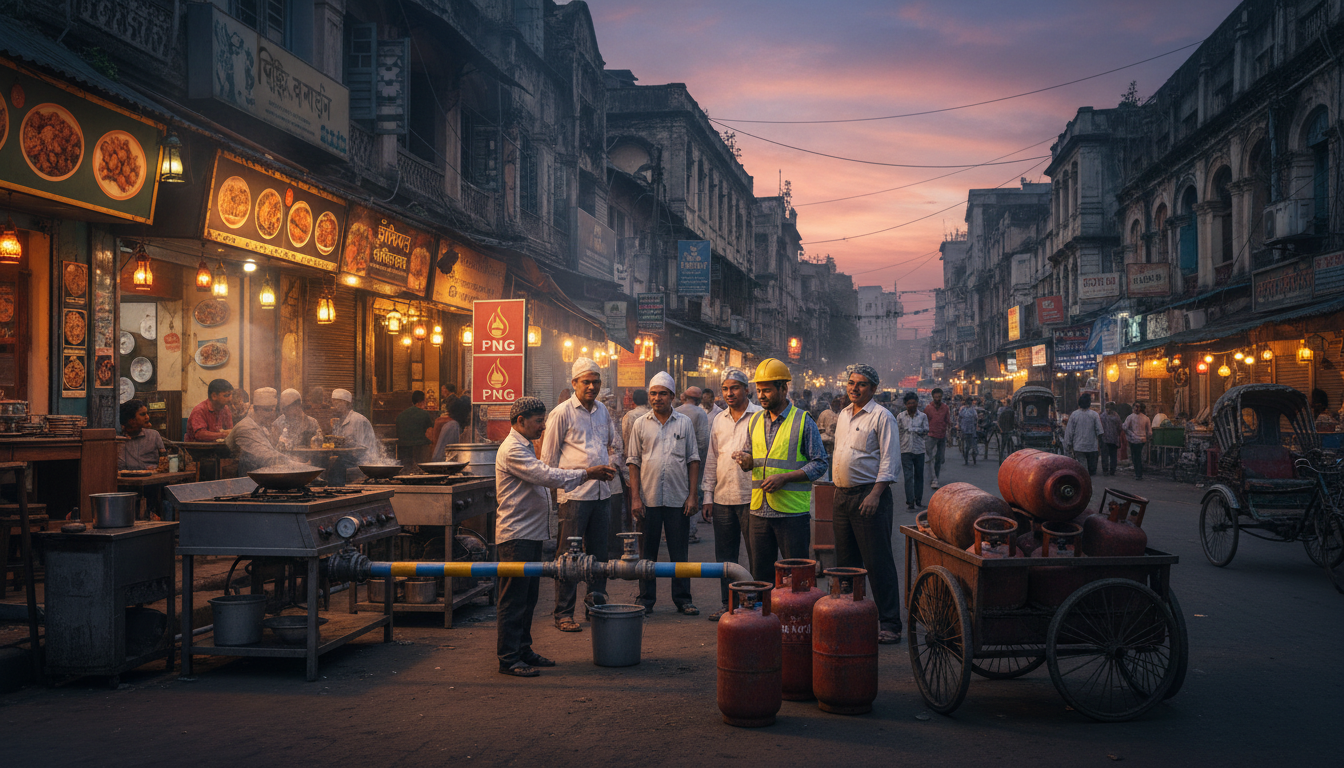
Kolkata’s Restaurant Sector Eyes Piped Natural Gas Amid LPG Supply Volatility
Kolkata’s vibrant culinary scene is grappling with significant operational headwinds stemming from persistent disruptions in commercial liquefied petroleum gas (LPG) supplies. This challenge is now prompting a strategic pivot towards a more reliable energy source: Piped Natural Gas (PNG). The Kolkata chapter of the National Restaurant Association of India (NRAI) has initiated crucial discussions with Bengal Gas Company Ltd (BGCL) to thoroughly assess the viability of PNG as a primary fuel alternative for the city’s myriad eateries, signaling a potential shift in the region’s commercial energy landscape.
This proactive engagement underscores a growing recognition within the food and beverage industry of the imperative for fuel diversification. Recent deliberations saw key representatives from the restaurant sector meeting with senior BGCL officials, including CEO Anupam Mukhopadhyay. The focus of these high-level talks was to gain a comprehensive understanding of the existing PNG infrastructure, the logistical feasibility of its expansion, and the anticipated phased rollout timeline specifically tailored for commercial establishments.
Operational Instability Drives Demand for Reliable Energy
The impetus for this exploratory move is clear: restaurants across various parts of Kolkata have been contending with inconsistent LPG deliveries and frustrating delays in cylinder refills. Such unpredictability directly impacts daily operations, leading to potential revenue losses, increased overheads from logistical juggling, and diminished customer satisfaction. Consequently, the industry is now aggressively seeking enduring energy solutions that promise uninterrupted service and greater operational stability. This situation highlights a classic market response where supply chain vulnerabilities accelerate the adoption of superior, more robust alternatives.
From an investor perspective, this localized energy transition mirrors broader trends witnessed across India’s rapidly expanding city gas distribution (CGD) networks. BGCL, as a key player in this market, currently boasts a pipeline presence in strategic areas such as Kalyani, Barrackpore, and extending up to Jessore Road within Kolkata. This foundational infrastructure is critical for the initial stages of a wider commercial rollout.
BGCL Poised for Significant Infrastructure Expansion
BGCL officials have articulated ambitious expansion plans, contingent upon obtaining the necessary regulatory approvals. The company is prepared to significantly accelerate its pipeline laying activities, with the capacity to extend the network by approximately 3 kilometers daily through the deployment of multiple specialized machines. This aggressive build-out strategy indicates a strong commitment to meeting anticipated demand and capitalizing on the burgeoning market opportunity within the commercial segment.
Furthermore, recent governmental directives have strongly indicated that commercial establishments will soon face a mandatory requirement to apply for PNG connections. BGCL has been designated as the authorized supplier for this region, consolidating its market position and providing a clear pathway for sustained growth. This policy push acts as a significant catalyst, ensuring a steady stream of new connections and robust demand for PNG services, making BGCL an interesting entity for investors monitoring the Indian energy sector.
Industry Leaders Championing Fuel Diversification
Piyush Kankaria, Chapter Head of NRAI Kolkata, emphasized the industry’s proactive approach in navigating the challenges posed by LPG supply constraints. “It is becoming increasingly critical for the food and beverage industry to actively pursue alternative fuel solutions,” Kankaria stated. “Our collaborative discussions with BGCL represent a vital step towards comprehending how PNG can provide long-term operational resilience for restaurants, even as we manage the immediate supply chain hurdles.”
This sentiment underscores a pragmatic shift within a major commercial sector, prioritizing energy security and cost predictability. The NRAI Kolkata has pledged to maintain ongoing engagement with all relevant stakeholders, aiming to identify and implement solutions that not only ensure seamless restaurant operations but also contribute to the long-term economic sustainability of the city’s food and beverages sector. Such industry-led initiatives are powerful indicators of market demand and future investment potential in the natural gas value chain.
Investment Implications for India’s Natural Gas Market
The emerging scenario in Kolkata offers a compelling microcosm of the broader shifts occurring within India’s energy landscape. As the nation pushes towards a gas-based economy, local initiatives like this one directly feed into the overall growth trajectory of natural gas consumption. Investors should note several key implications:
- Accelerated CGD Growth: The mandate for PNG connections in commercial establishments will significantly boost the customer base for city gas distribution companies like BGCL, leading to increased revenue streams and potentially higher infrastructure valuations.
- LPG Market Share Erosion: While LPG will remain crucial for many segments, the commercial shift to PNG indicates a gradual erosion of LPG’s market share in specific industrial and commercial applications, impacting companies primarily focused on LPG distribution.
- Capital Expenditure Opportunities: The ambitious pipeline expansion plans require substantial capital investment, presenting opportunities for companies involved in gas pipeline construction, equipment manufacturing, and related service provision.
- Enhanced Energy Security: For India, reducing reliance on imported fuels and diversifying its energy basket remains a strategic priority. Increased PNG adoption directly contributes to this objective, attracting further governmental support and policy tailwinds.
- Predictable Revenue Streams: For investors, the long-term contracts associated with PNG supply to commercial customers offer more predictable and stable revenue streams compared to the volatile pricing often seen in the spot LPG market.
In conclusion, the movement of Kolkata’s restaurant industry towards PNG is not merely a local operational adjustment but a significant indicator of the evolving energy preferences within India’s commercial sector. It highlights the strategic importance of reliable, cost-effective, and environmentally friendlier fuel sources. For astute oil and gas investors, this signals a robust and expanding market for natural gas infrastructure and supply, promising sustained growth in the years to come as urban centers continue their transition towards cleaner and more stable energy paradigms.
