

Erik Milito, President, National Ocean Industries Association
The Gulf of America is back at the center of the U.S. offshore energy landscape, and its potential has never been clearer. Following two years without federal lease sales, the Dec. 10, 2025, Gulf of America lease sale, dubbed Big Beautiful Gulf 1, represents a critical milestone for U.S. energy production, workforce stability, and long-term investment in offshore oil and natural gas supplies.
The lease sale could not have come at a more important time. It sent a signal to companies, investors, and workers that America’s offshore sector is ready to move forward with confidence. Offshore oil and gas projects are complex, capital-intensive endeavors, with timelines spanning 20 to 30 years.
Predictable lease sales allow companies to plan strategically, invest in advanced technology and infrastructure, and maintain the highly skilled workforce that keeps the Gulf of America among the world’s most productive offshore basins.
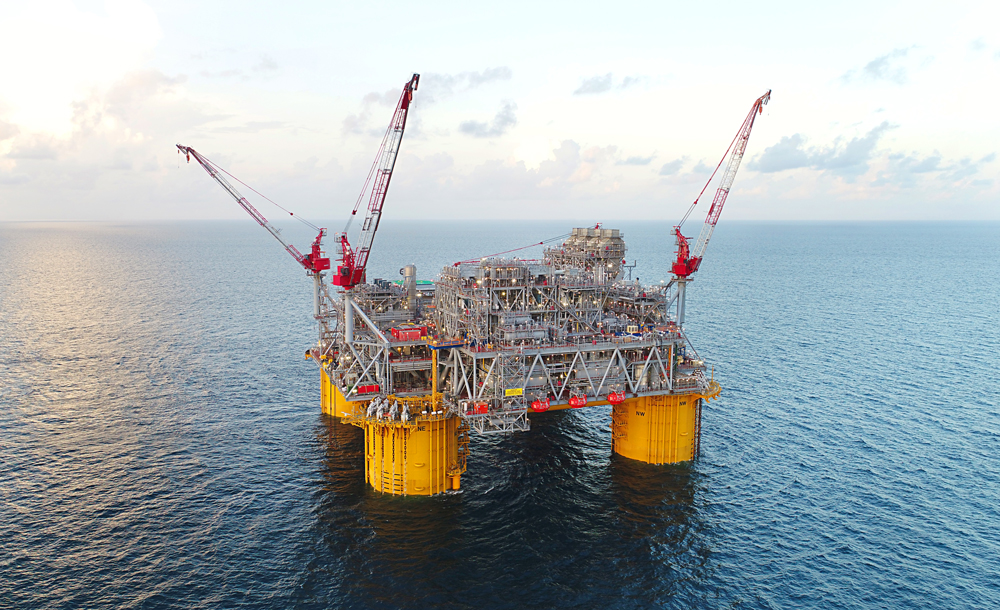
Bountiful GOA resources and capabilities. The Gulf of America is not a legacy resource; it is a strategic platform for America’s energy leadership, Fig. 1. With world-class reserves, advanced subsea and offshore technology, and a workforce experienced in deepwater engineering, fabrication, and operations, the Gulf delivers secure, lower-emission energy to the U.S. and allied nations. Gulf-produced oil has a 46% lower carbon intensity than the rest of the world, displacing higher-emission imports while reinforcing energy security and environmental stewardship.
Fig. 1. As a strategic platform for America’s energy leadership, the Gulf of America is home to world-class reserves, advanced subsea and offshore technology, and an experienced workforce. Image: Shell.
Beyond traditional oil and gas, the Gulf continues to serve as a hub for emerging energy technologies. Offshore wind, carbon capture, subsea mining, and next-generation exploration innovations rely upon the engineering experience and supply chain that is foundational to offshore oil and gas. These additive benefits make the Gulf of America a uniquely versatile offshore energy province, capable of sustaining long-term industrial leadership in a rapidly evolving global energy market.
Economic benefits. Offshore activity in the Gulf of America is a major economic driver that promotes vast benefits throughout the U.S. In 2024, Gulf oil and gas operations supported roughly 428,000 jobs across all 50 states, contributed $35.9 billion in spending, and generated $7 billion in federal revenue. The workforce spans more than 200 occupations, from subsea engineers to data analysts to welders, with wages averaging nearly 30% above the national average. These positions sustain families, communities, and supply chains while maintaining the Gulf’s status as a global offshore energy leader.
The benefits ripple far beyond individual operating companies. Steady offshore activity supports local suppliers, fabrication yards, and service providers, supporting thousands of additional jobs across the nation. When companies along the Gulf Coast can count on long-term projects made possible through federal lease sales, they are better positioned to invest in technology, training and infrastructure that strengthens the region’s energy cluster and keep it globally competitive. This ripple effect ensures the Gulf of America remains an anchor of America’s offshore energy industry, benefiting communities, families, and local economies for decades.
Fixing the permitting process. The 24-month pause in federal lease sales caused delays in project planning, capital allocation, and staffing, underscoring just how critical predictable leasing is for investment continuity. Now, with the door to federal leases re-opened, companies can plan projects more confidently, retain and grow their workforce, and invest in cutting-edge infrastructure and technology.
Permitting certainty is the next frontier for U.S. energy leadership. The bipartisan Standardizing Permitting and Expediting Economic Development (SPEED) Act, recently advanced in the House Natural Resources Committee. The bill establishes predictable timelines, transparent processes, permitting certainty, and litigation reform. Streamlined permitting is not just a regulatory convenience; it is the pathway for investment, innovation, and workforce stability across offshore oil and gas, wind, critical minerals, and emerging energy sectors.
The investment community requires certainty to ensure long-term viability for spending. When permitting is unpredictable or open-ended, projects stall, costs rise, and capital migrates overseas. The SPEED Act will enable companies to commit capital, hire skilled workers, and deploy new technologies with confidence, ensuring the Gulf of America continues to deliver value for communities, investors, and the nation.
Supporting America’s leadership. Global energy markets are increasingly competitive, and the Gulf of America gives the United States a strategic advantage. Rising worldwide demand for energy, driven by population growth, electrification, AI-powered data centers, and industrial expansion, requires secure, reliable and affordable domestic sources. Offshore projects in the Gulf not only supply domestic needs but also underpin global markets, reinforcing America’s energy leadership while keeping our allies supplied.
Generating technology. The Gulf is also a proving ground for technological innovation. Companies are integrating AI-driven operations, autonomous inspection systems, predictive maintenance, and advanced subsea robotics across offshore platforms. This technology improves efficiency, reduces environmental impacts, and sets global benchmarks for offshore production. Coupled with predictable leasing and permitting, these innovations ensure the U.S. remains at the forefront of offshore energy development.
Offshore projects also strengthen domestic supply chains and industrial capacity. Fabrication yards, shipbuilding, port operations, and specialized service providers rely on predictable project pipelines. Regular leasing and permitting certainty allow these facilities to plan, invest and expand, ensuring that America, not foreign competitors, remains the center of offshore energy expertise and innovation.
Workforce development remains another key advantage. High-paying offshore energy jobs support families and communities, while apprenticeships and training programs prepare the next generation of engineers, technicians and mariners. Predictable leasing and permitting guarantee that workforce pipelines remain strong, enabling long-term career growth, regional economic resilience, and generational opportunities in the energy sector.
Production coming online today reflects decisions made years ago. Wood Mackenzie estimates that long-planned deepwater projects will add 300,000 bopd in 2025 and another 250,000 bopd in 2026, critical volumes that offset onshore production declines and strengthen long-term U.S. energy security. None of this happens without consistent leasing and permitting. Regular federal lease sales and clear regulatory pathways are the policy drivers for revitalizing the U.S. energy industry.
With the Dec. 10 lease sale and the 29 additional sales mandated under the One Big Beautiful Bill, the Gulf of America is poised to continue to anchor the U.S. offshore energy economy. Coupled with permitting reform through the SPEED Act, the region can provide companies and workers with the stability required to innovate, grow and maintain global competitiveness.
The Gulf of America demonstrates how strategic energy policy, technological expertise, and a skilled workforce combine to deliver secure, affordable and reliable energy while creating thousands of high-paying jobs, strengthening industrial capacity, and driving long-term economic growth. Predictable leases and permitting ensure that investment remains in America, the workforce remains employed, and the nation remains energy-secure and globally competitive.
The time for stable policy, regular leasing, and permitting certainty has arrived. With the Gulf of America ready to propel America’s energy future, the nation can embrace energy dominance, economic growth, and a resilient workforce across the Gulf and the entire country.
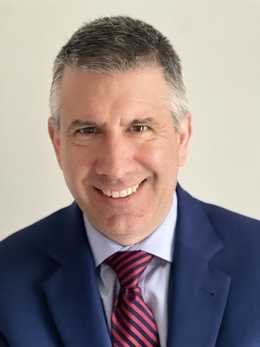
ERIK MILITO is president of the National Ocean Industries Association (NOIA), having taken the helm of the association in November 2019. He has extensive experience in implementing strategic outreach and public relations platforms for high-profile issues on behalf of the energy industry. He is a seasoned spokesperson and lobbyist, testifying before Congress on key energy issues on numerous occasions. Mr. Milito came to NOIA from the American Petroleum Institute (API), where he served for the previous 17 years. He holds a Juris Doctor from Marquette University Law School, and a BBA degree from the University of Notre Dame.
Related Articles
FROM THE ARCHIVE
