Kazakhstan is strategically positioning itself as an increasingly vital, and importantly, reliable supplier in the global energy and critical minerals landscape. While historically recognized as a significant hydrocarbon producer, Astana is executing a nuanced strategy to de-risk its export pathways, secure a larger share of its resource wealth, and diversify its energy portfolio well beyond traditional crude. This multi-pronged approach presents both challenges and compelling opportunities for international investors seeking exposure to a rapidly evolving energy powerhouse.
Revisiting Hydrocarbon Partnerships and Value Capture
At the core of Kazakhstan’s evolving energy policy is a determined effort to optimize the economic benefits derived from its vast hydrocarbon reserves. The nation’s economic growth has long been underpinned by robust cooperation with major international energy giants, contributing to a GDP per capita of $14,770 – a figure projected to surpass both Russia’s $14,260 and China’s $13,690. However, Astana is now seeking to renegotiate existing contracts with Western oil corporations, particularly concerning oil exploitation, to secure a more favorable stance.
A key example is the Kashagan field, a monumental offshore discovery in the Caspian Sea and Kazakhstan’s most significant find in the last five decades. Reports indicate that a substantial 98% of the revenue generated from Kashagan has historically been directed into the profits of Shell, Eni, and Total Energies. This imbalance is a primary driver behind Kazakhstan’s ambition to revise these agreements, seeking a greater share of the resource wealth for its national development. For investors in the incumbent Western majors, this signals potential shifts in their operational economics within Kazakhstan. For new entrants or those evaluating long-term partnerships, it underscores the importance of structuring deals that align with the host nation’s evolving strategic objectives.
Investors are keenly observing how these negotiations will unfold, with many asking about the stability of existing production quotas and the financial models underpinning these major international projects. Understanding the current Brent crude price and its underlying drivers is crucial for assessing the negotiation leverage on both sides. Astana’s move to re-evaluate these legacy agreements reflects a global trend among resource-rich nations to maximize their sovereign economic benefits, making the future terms of engagement a critical factor for energy sector investment in the region.
De-risking Export Routes and Enhancing Supply Security
A significant strategic imperative for Kazakhstan is the diversification of its crude oil export infrastructure. Currently, approximately 80% of Kazakhstan’s oil destined for Europe transits through Russia, a structural dependency that introduces geopolitical and logistical risks for both the producer and its European consumers. Astana is actively working to mitigate this exposure by boosting crude oil shipments via alternative routes, with the Baku-Tbilisi-Ceyhan (BTC) pipeline emerging as a key alternative.
This push for export diversification is particularly pertinent given the current market dynamics. As of today, Brent crude trades at $98.03, reflecting a modest daily decline of 1.37%, with an intra-day range between $97.92 and $98.58. This price point represents a significant retreat from recent highs; just three weeks ago, on March 27th, Brent was trading at $112.57, marking a substantial drop of over 12% to its close yesterday. Such volatility underscores the critical importance of secure, diversified supply channels. For European importers, Kazakhstan’s efforts provide a pathway to enhanced supply chain resilience, reducing reliance on a single transit corridor and bolstering energy security amidst an uncertain global landscape. For investors, this re-routing strategy reduces the geopolitical discount often applied to Kazakh oil, potentially enhancing its long-term value and market access.
A Broadened Energy Vision: Green Ambitions and Critical Minerals
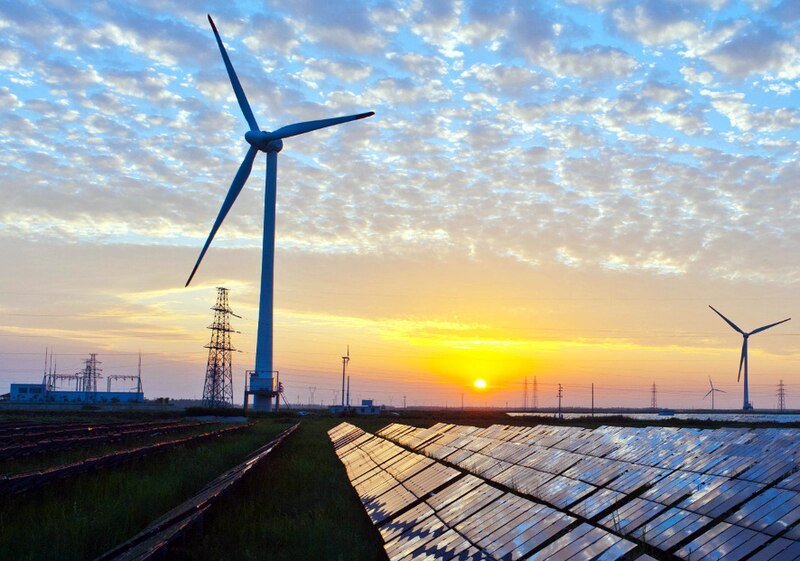
Kazakhstan’s strategic pivot extends far beyond merely optimizing crude oil revenues and export routes. The nation is simultaneously pursuing an ambitious green energy agenda, aiming to generate 15% of its electricity from renewable sources by 2030, escalating to 50% by 2050. This aligns with a broader vision to become a significant exporter of green electricity to Europe, leveraging its natural endowments for wind and solar power.
In parallel, Kazakhstan is solidifying its position in the critical minerals sector. Already the world’s largest producer of uranium, Astana is actively seeking to expand its nuclear cooperation, notably with Japan. Furthermore, the nation is extending its reach beyond its borders; by the end of 2026, Kazakhstan and Jordan are expected to commence development of uranium deposits in the Middle Eastern country. If economically viable, this venture will see Kazakhstan’s Kazatomprom holding a dominant 70% stake, with the Jordanian National Uranium Company (Jumco) retaining 30%. Kazakhstan is also demonstrating a keen interest in the extraction and processing of uranium and rare-earth metals in Tajikistan, further diversifying its critical mineral footprint and strengthening regional ties. These initiatives collectively paint a picture of a nation strategically positioning itself as a multi-faceted energy and resource supplier, attracting investment across the spectrum from traditional hydrocarbons to advanced materials and renewable power.
Future Catalysts and Investment Outlook
Kazakhstan’s proactive de-risking and diversification strategy creates a compelling investment narrative. The nation is actively courting new investors, evidenced by plans to establish joint gas projects with Indonesia and its burgeoning partnerships in nuclear and critical minerals. These moves signal a robust commitment to expanding its energy interests and securing its economic future.
The strategic shifts in Kazakhstan’s energy policy, particularly regarding export diversification and contract revisions, will be closely watched by the market. Significant global energy events on the horizon could influence sentiment and commodity prices, which in turn affect the profitability of Kazakh projects. For instance, the OPEC+ Joint Ministerial Monitoring Committee (JMMC) meeting is scheduled for tomorrow, April 18th, followed by the Full Ministerial meeting on April 20th. While Kazakhstan is not an OPEC member, its production and export strategies directly impact the broader non-OPEC supply outlook. Any discussions around global supply dynamics or regional stability at these key meetings will inevitably factor into investor sentiment towards major oil producers like Kazakhstan. Furthermore, with weekly inventory reports from the API and EIA scheduled for April 21st and 22nd respectively, and again on April 28th and 29th, the immediate supply-demand picture will continue to evolve, providing a dynamic backdrop against which Kazakhstan’s strategic initiatives will be assessed. Investors should monitor these events closely, as they offer critical context for evaluating Kazakhstan’s enhanced stability and growth prospects in the global energy market.