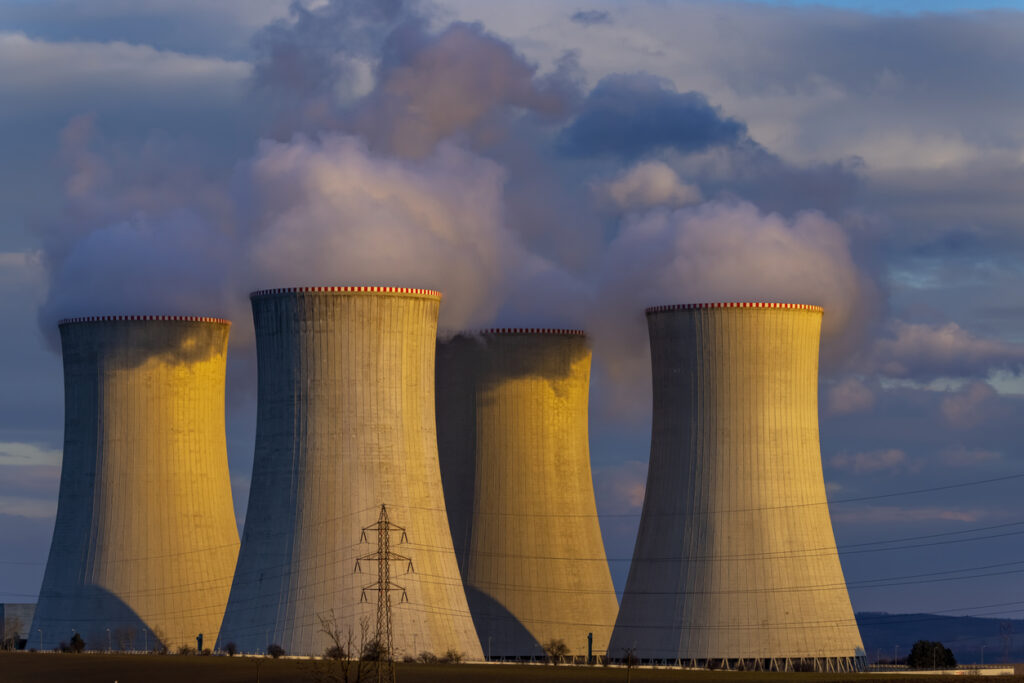
Japan’s new Prime Minister Sanae Takaichi is signaling a profound shift in the nation’s energy strategy, pivoting sharply towards nuclear power to combat persistent inflation and bolster energy security. This aggressive push for reactor restarts, coupled with a nuanced approach to fossil fuel imports and renewables, has significant implications for global oil and gas markets, particularly for LNG demand. As a major energy importer, Japan’s policy shifts can ripple through commodity prices, influencing investment decisions across the energy spectrum. Our analysis delves into the specific policy directions and their potential impact, drawing on proprietary market data and upcoming catalysts to provide investors with a clear outlook.
Japan’s Nuclear Resurgence: A Direct Challenge to Fossil Fuel Demand
The Takaichi administration’s commitment to accelerating nuclear reactor restarts is not merely a policy adjustment; it represents a strategic imperative to reduce Japan’s heavy reliance on imported fossil fuels. With 60% to 70% of the nation’s electricity generation currently dependent on these imports, and a staggering 10.7 trillion yen (approximately $71 billion) spent on LNG and coal last year alone, the economic rationale for this pivot is undeniable. While 14 of Japan’s 33 operable reactors have already been restarted since the 2011 Fukushima disaster, the new government’s ambition is to bring more online more swiftly. This long-term structural shift, even if gradual due to safety protocols and local community engagement, will inevitably diminish Japan’s demand for LNG and, indirectly, crude oil used in power generation. Furthermore, PM Takaichi’s preference for domestic nuclear energy, including next-generation fusion, and perovskite solar cells, over large-scale, import-reliant solar projects, underscores a broader strategy to localize energy production and reduce external dependencies, potentially dampening future demand growth for certain renewable technologies as well.
Navigating Geopolitical Headwinds and LNG Diversification
Beyond the domestic nuclear agenda, Japan’s energy strategy is heavily influenced by geopolitical considerations, particularly regarding LNG imports. The United States has been actively pushing Tokyo to reduce its purchases of Russian energy, which currently accounts for approximately 9% of Japan’s LNG imports. This pressure has already led to Japan signing new U.S. LNG purchase deals this year, indicating a clear move towards diversification. The upcoming visit of U.S. President Donald Trump to Tokyo next week is expected to further solidify these energy partnerships, with a package of LNG purchases potentially on the table. However, Japan’s cautious stance on hard commitments to massive projects like the $44-billion Alaska LNG venture highlights a strategic balance between securing diverse supplies and avoiding over-reliance on any single source. For investors, this signals a dynamic LNG market where geopolitical allegiances can significantly shape trade flows, creating opportunities for suppliers who can offer both competitive pricing and strategic alignment, while potentially putting pressure on traditional suppliers.
Crude Markets React to Shifting Demand Signals and Broader Volatility
The potential for reduced fossil fuel demand from a major economy like Japan adds another layer of complexity to an already volatile global crude market. As of today, Brent crude trades at $90.38 per barrel, marking a significant decline of 9.07% within the day, with a trading range between $86.08 and $98.97. Similarly, WTI crude has experienced a sharp drop, trading at $82.59 per barrel, down 9.41% with a daily range of $78.97 to $90.34. This intra-day volatility is exacerbated by the broader trend: Brent has fallen by $22.4, or 19.9%, from $112.78 on March 30th to its current level on April 17th. While Japan’s nuclear pivot is a long-term play, it contributes to a bearish sentiment that factors into investor outlooks, alongside concerns about global economic growth and supply dynamics. The immediate market movements underscore how sensitive crude prices are to any perceived shift in demand, even if the full impact of Japan’s nuclear strategy will unfold over several years. Gasoline prices have also seen a decline, currently at $2.93, down 5.18%, reflecting the general downward pressure across the energy complex.
Investor Focus: What’s Next for Oil & Gas and Upcoming Catalysts
Our proprietary reader intent data reveals that many investors are keenly focused on the future trajectory of oil prices, with numerous queries about what the price of oil per barrel will be by the end of 2026. This long-term perspective is crucial, as Japan’s nuclear strategy will certainly be a factor, even if its full impact is years away. Similarly, questions about OPEC+’s current production quotas dominate investor queries, highlighting the immediate supply-side concerns that are currently driving market sentiment. The next 14 days hold several critical events that will provide further clarity. The OPEC+ Joint Ministerial Monitoring Committee (JMMC) Meeting on April 19th, followed by the full OPEC+ Ministerial Meeting on April 20th, will be closely watched for any indications of supply adjustments that could either stabilize or further destabilize crude prices. Beyond OPEC+, weekly data releases like the API Crude Inventory on April 21st and 28th, and the EIA Weekly Petroleum Status Report on April 22nd and 29th, will offer vital insights into immediate supply and demand balances in the U.S. market. The Baker Hughes Rig Count on April 24th and May 1st will also provide a pulse check on North American production activity. These short-term catalysts will shape the immediate investment landscape, even as investors keep a watchful eye on the longer-term structural shifts emanating from major energy consumers like Japan.
Investment Implications: Navigating a Decarbonizing, Diversifying Future
For energy investors, Japan’s renewed focus on nuclear power presents a complex but potentially lucrative landscape. Companies with expertise in nuclear reactor technology, construction, and safety protocols could see increased demand and investment opportunities. Conversely, the long-term outlook for traditional fossil fuel exporters, particularly those heavily reliant on the Japanese market for LNG, may face headwinds as Japan diversifies its energy mix. However, the short-to-medium term still presents opportunities in LNG, especially for U.S. producers, given Japan’s immediate need to secure diversified supplies away from Russian sources. Investors should monitor the pace of nuclear restarts, political developments within Japan, and the global response to energy security challenges. The shift also reinforces the idea that “decarbonization” is not a monolithic trend; different nations will pursue distinct paths, with nuclear power emerging as a viable and increasingly favored option for energy security and emissions reduction in major industrial economies. Successful investment strategies will require a granular understanding of these evolving national energy policies and their differentiated impacts across the energy value chain.