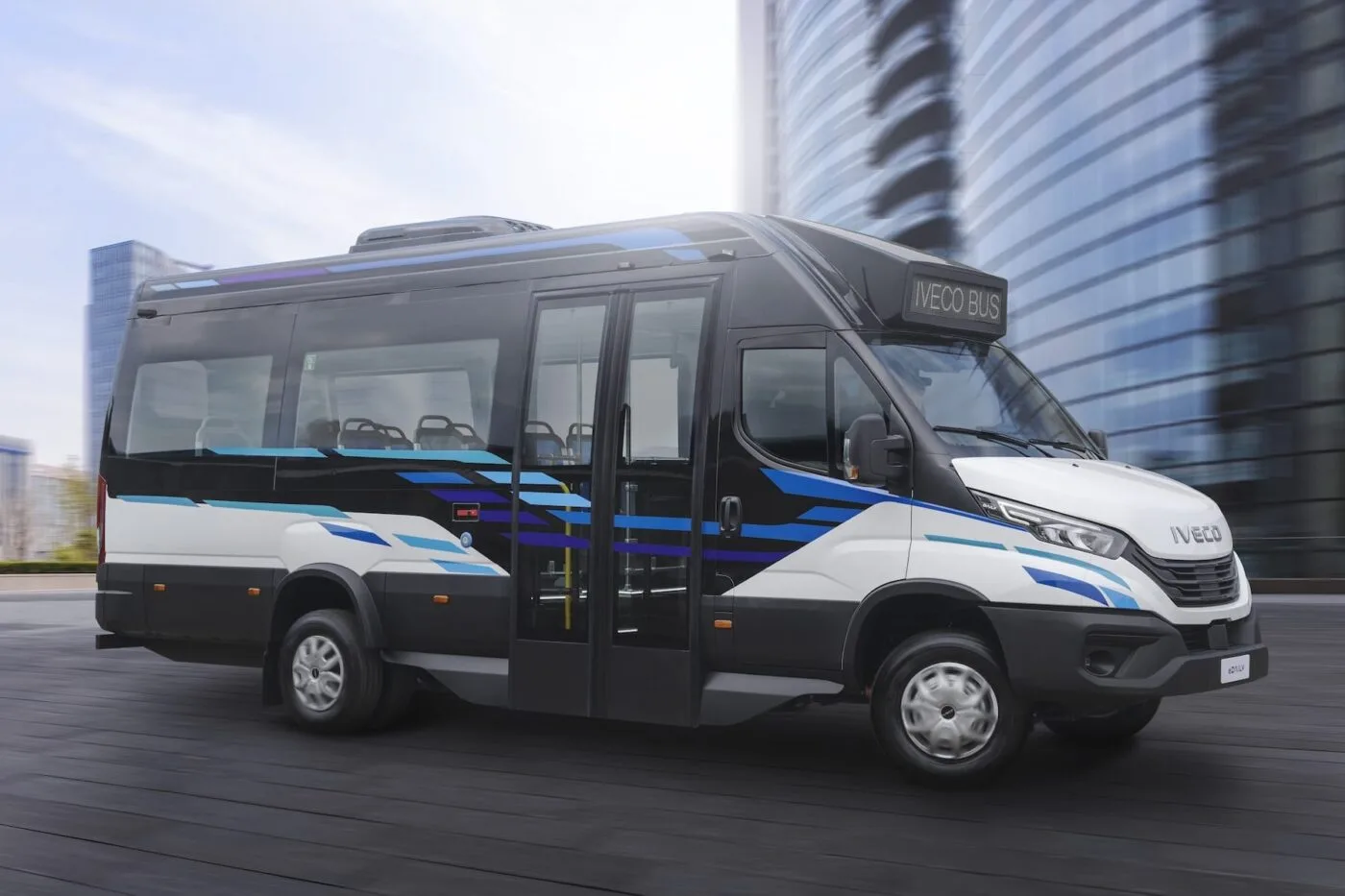
The global energy landscape continues its inexorable shift, and for oil and gas investors, understanding the persistent pressure from electrification is paramount. The recent unveiling of Iveco’s eDaily LE, a fully electric, low-entry minibus, at Busworld in Brussels, serves as a potent reminder of this evolving dynamic. While seemingly a niche development, the increasing sophistication and availability of commercial electric vehicles (EVs) like the eDaily LE represent a growing structural headwind for global oil demand, particularly for diesel. This expansion into practical, urban public transport solutions underscores a broader trend: the energy transition is not just about passenger cars; it’s deeply embedding itself in the commercial and municipal fleets that have historically been pillars of petroleum consumption. For investors, these incremental yet significant advancements signal a need to scrutinize long-term demand projections and evaluate the resilience of their portfolios against this accelerating electrification.
The Commercial EV Push: A Growing Headwind for Diesel Demand
Iveco’s eDaily LE is more than just another electric vehicle; it’s a direct competitor to internal combustion engine (ICE) alternatives in a crucial sector. Designed for urban environments, its 7.6-meter length allows for agile maneuvering through city centers, offering a compelling alternative to larger, standard 12-meter buses. With a capacity for 13 seated passengers and a total of 27, coupled with features like a lowered entrance and a side ramp for accessibility, it directly targets the needs of public transport operators seeking to electrify their fleets. The vehicle’s battery options, offering either three or four 37 kWh lithium-ion packs for a total capacity of 111 kWh or 148 kWh, translate to a practical range of 270 km with the larger configuration. This range, combined with a reported two-hour fast charging capability, makes it a viable solution for daily urban routes. Concrete evidence of this shift is already visible, with Iveco securing a substantial order for 129 electric minibuses for the Lazio region in central Italy. These developments highlight a clear and present threat to diesel demand, as municipalities and transport authorities increasingly prioritize emissions reduction and operational efficiency that EVs offer. Each electric minibus deployed reduces the daily consumption of diesel, contributing to a cumulative effect that cannot be ignored by oil investors.
Crude Markets React: Demand Concerns Amidst Volatility
The broader market’s reaction to such demand-side pressures, whether from commercial EVs or other factors, is often reflected in crude price volatility. As of today, Brent crude trades at $90.38 per barrel, marking a significant 9.07% decline within the day’s trading range of $86.08 to $98.97. Similarly, West Texas Intermediate (WTI) crude is experiencing pressure, currently standing at $82.59, down 9.41% from its open, fluctuating between $78.97 and $90.34. This sharp daily correction comes on the heels of a sustained downward trend, with Brent crude having fallen from $112.78 on March 30th to its current level, representing a nearly 20% drop in just over two weeks. Gasoline prices have also seen a corresponding dip, now at $2.93 per gallon, down 5.18%. While geopolitical tensions and macroeconomic signals play significant roles in short-term price movements, the persistent growth in EV adoption, exemplified by innovations like the eDaily LE, contributes to a long-term narrative of eroding demand growth. Investors are increasingly weighing these structural shifts against immediate supply-side concerns, leading to heightened sensitivity to any news that could signal a further deceleration in global oil consumption. The market’s current volatility underscores the fragility of demand assumptions in an accelerating energy transition.
Navigating the Future: EV Trajectories and Upcoming Catalysts
The pace of commercial EV adoption, spurred by developments like the eDaily LE, will be a critical factor influencing oil markets in the coming months and years. For investors, it’s essential to link these micro-level developments to macro-level market catalysts. The upcoming OPEC+ Joint Ministerial Monitoring Committee (JMMC) Meeting on April 19th, followed by the full OPEC+ Ministerial Meeting on April 20th, will be key events. Will the accelerating pace of electrification, particularly in the commercial and public transport sectors, factor more heavily into their production quota decisions? A sustained increase in EV deployment could lead OPEC+ to adopt a more conservative approach to supply, aiming to stabilize prices amidst potential long-term demand erosion. Furthermore, the EIA Weekly Petroleum Status Reports, scheduled for April 22nd and April 29th, will provide crucial insights into current crude and product inventories, reflecting immediate demand trends. However, these reports do not fully capture the forward-looking impact of a growing EV fleet. Similarly, the Baker Hughes Rig Count, due on April 24th and May 1st, will signal upstream activity, but the long-term investment decisions of producers are increasingly being shaped by the specter of peak oil demand, amplified by every new EV rollout. The transition to electric fleets, even if gradual, represents a fundamental shift that will continue to challenge traditional demand forecasts and influence strategic decisions across the oil and gas value chain.
Investor Sentiment: Peering Beyond Short-Term Volatility
Our proprietary reader intent data reveals a clear focus among investors on the future trajectory of oil prices and the strategies of key market players. Questions like “what do you predict the price of oil per barrel will be by end of 2026?” and inquiries about “OPEC+ current production quotas” highlight a desire to understand both immediate and medium-term market drivers. While the near-term price of crude will undoubtedly be influenced by geopolitical events and OPEC+ policy, the underlying structural changes driven by the energy transition cannot be overlooked. The continued rollout of commercially viable electric alternatives, such as Iveco’s eDaily LE, chips away at the foundational demand for petroleum products. This steady erosion contributes to the longer-term bearish sentiment that can put a ceiling on price aspirations. For investors evaluating integrated energy companies, like Repsol (a company our readers are specifically asking about for April 2026 performance), understanding their diversification strategies and exposure to traditional fuel markets versus renewables becomes increasingly critical. The shift towards electrification in commercial fleets, while not an overnight revolution, is a consistent, compounding factor that demands thoughtful consideration in any robust investment thesis for the oil and gas sector.