Iraq’s Ambitious Capacity Push Amidst a Shifting Oil Market
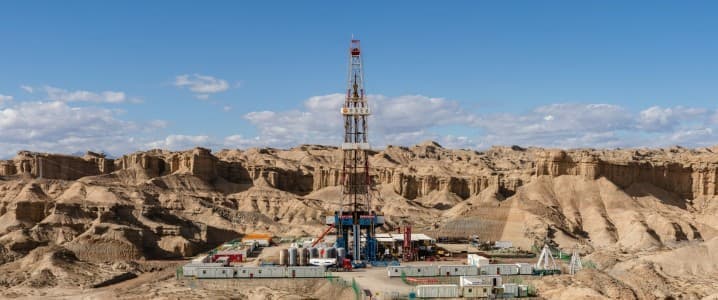
Iraq, OPEC’s second-largest producer, has unveiled ambitious plans to significantly expand its oil production capacity, targeting 5.5 million barrels per day (bpd) by the close of the year, a substantial increase from its current operational capacity of approximately 4.4 million bpd. This strategic expansion involves extensive well drilling, rehabilitation, new surface facilities, pipelines, and enhanced water injection techniques to maintain reservoir pressure. Furthermore, the nation aims to push capacity beyond 6 million bpd by 2029, signaling a long-term commitment to increasing its footprint in global energy markets. These developments come at a fascinating juncture for oil investors, especially as our proprietary market data indicates a period of significant price volatility and downward pressure.
Market Realities: Brent’s Steep Decline and Investor Sentiment
The announcement from Baghdad arrives amidst a notably bearish turn in global crude markets. As of today, Brent Crude is trading at $90.38 per barrel, marking a sharp 9.07% decline within the day, with a range stretching from $86.08 to $98.97. Similarly, WTI Crude has fallen to $82.59, down 9.41%. This immediate market snapshot is not an isolated event; our 14-day trend analysis reveals Brent has plummeted from $112.78 on March 30th to its current level, representing a substantial 19.9% decrease. This significant drop underscores the prevailing concerns about global demand and ample supply, even as geopolitical tensions persist. For investors closely monitoring energy plays, this context is crucial: Iraq’s capacity increase, if realized, adds to potential future supply just as the market is signaling oversupply anxieties. The recent restart of crude exports from the Kurdistan region via Turkey has already contributed to this sentiment, impacting prices earlier in the week.
The OPEC+ Conundrum: Quotas, Compensation, and Future Supply Dynamics
Iraq’s ambitious capacity expansion presents a complex dynamic given its membership in the OPEC+ alliance. Our reader intent data shows significant investor interest in “OPEC+ current production quotas,” a question directly relevant to Iraq’s plans. While Iraq is entitled to higher production quotas as OPEC+ reverses its previous cuts, the nation has not fully utilized its allowances. This underperformance is largely due to compensation requirements for past overproduction, effectively capping its immediate output despite operational capacity. In August, Iraq produced 4.015 million bpd according to secondary sources, below its current capacity and well below its projected year-end capacity. This creates a fascinating tension: how will OPEC+ accommodate a member determined to boost its long-term capacity, especially if market conditions remain weak? The upcoming OPEC+ Full Ministerial Meeting on April 19th is a critical event for investors. Any signals from this meeting regarding individual member quotas, adherence to compensation schedules, or broader production strategy shifts will directly impact the implications of Iraq’s capacity growth.
Chevron’s Re-engagement and Long-Term Investment Signals
Beyond the immediate capacity targets, Iraq’s discussions with Chevron regarding exploration blocks in Nasiriyah and Salahaddin provinces are a significant long-term signal for investors. Following preliminary exploration agreements signed last August, Chevron’s potential deeper re-engagement in Iraq suggests a renewed confidence from major international oil companies in the country’s resource potential and investment environment. Such partnerships are vital for Iraq to achieve its ambitious 2029 capacity target of over 6 million bpd, providing not only capital but also critical technology and expertise. For investors evaluating global upstream opportunities, Chevron’s renewed interest in Iraq, a nation with immense untapped reserves, could de-risk future projects and signal a more stable operating environment. This collaboration could unlock significant new production streams, contributing to global supply in the latter half of the decade, aligning with reader questions about where the price of oil per barrel will be by the end of 2026 and beyond.
Navigating the Investment Landscape: Outlook and Key Event Triggers
For investors, Iraq’s determined push to boost oil production capacity, coupled with its OPEC+ obligations and the current bearish market sentiment, creates a nuanced outlook. While a significant increase in theoretical capacity is on the horizon, actual production increases will remain constrained by OPEC+ decisions and Iraq’s compensation commitments. The critical immediate trigger for market direction will be the OPEC+ meeting on April 19th. Investors should closely monitor any statements regarding collective output levels, individual country quotas, and the enforcement of compensation mechanisms. Furthermore, the weekly API and EIA inventory reports on April 21st/22nd and April 28th/29th will continue to provide real-time indicators of supply-demand balances, influencing short-term price movements. The long-term implications of Iraq’s capacity expansion, particularly with international partners like Chevron, suggest that global crude supply could see substantial additions in the coming years. This potential for increased supply, set against a backdrop of fluctuating demand and ongoing geopolitical factors, will be a defining characteristic of oil and gas investing through 2026 and beyond. Investors should weigh the potential for increased Iraqi output against OPEC+’s ability to manage global supply, alongside broader macroeconomic trends, to formulate their strategies.


