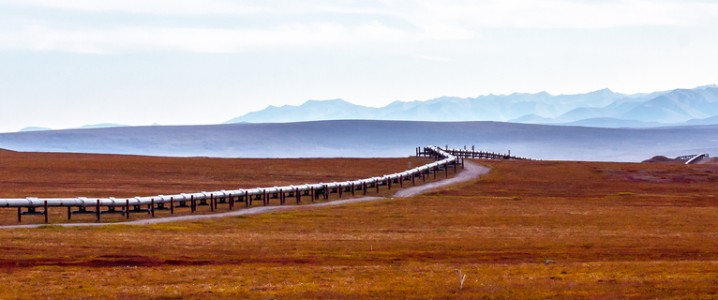
The global oil market is bracing for a notable supply increase as crude exports from Iraq’s semi-autonomous Kurdistan region are set to resume on September 27. This development, ending a 2.5-year halt that began in March 2023, promises to inject approximately 230,000 barrels per day (bpd) back into international markets. However, the timing of this re-entry couldn’t be more critical, arriving amidst a period of significant price volatility and an evolving supply-demand dynamic. For investors, understanding the nuances of this resumption, its impact on global benchmarks, and the broader geopolitical context is paramount as we navigate the remainder of the year and look towards 2026.
Navigating a Shifting Supply Landscape Amidst Price Volatility
The imminent return of Kurdish oil exports introduces a new variable into an already complex market. As of today, Brent Crude is trading at $90.38 per barrel, marking a sharp 9.07% decline within the day, with prices ranging from $86.08 to $98.97. Similarly, WTI Crude has seen a significant drop to $82.59 per barrel, down 9.41%, trading between $78.97 and $90.34. This daily volatility follows a broader bearish trend; Brent has shed $20.91, or 18.5%, from $112.78 on March 30 to $91.87 on April 17. The reintroduction of 230,000 bpd, while not a seismic shift in global supply, adds to this downward pressure, particularly as many analysts anticipate a potential oversupply scenario building post-summer demand peaks. Investors must consider whether this additional crude will exacerbate current market weakness or be absorbed by underlying demand. The market’s immediate reaction to the news, occurring as prices were already retreating, suggests a heightened sensitivity to any supply-side additions. This context underscores the importance of scrutinizing future supply forecasts and their interaction with geopolitical stability in key producing regions.
The OPEC+ Conundrum: Quotas, Policy, and the Kurdish Wildcard
A key question on many investors’ minds, as evidenced by recent inquiries to our AI assistant, concerns the current production quotas of OPEC+ and their future trajectory. The restart of Kurdish exports takes on added significance given the upcoming OPEC+ Joint Ministerial Monitoring Committee (JMMC) meeting on April 18, followed by the Full Ministerial meeting on April 19. These gatherings will be critical in assessing the bloc’s response to fluctuating oil prices and evolving supply dynamics. With Brent having fallen by nearly 19% in the last two weeks, and an additional 230,000 bpd from Kurdistan entering the market, OPEC+ faces a renewed challenge. While this volume represents a fraction of global demand, it comes from a non-OPEC+ source and adds to overall supply at a time when the cartel may be contemplating further cuts to support prices. The decision by DNO ASA and Genel Energy International Limited, two major foreign producers, to not directly ship their combined 30,000 bpd to the Iraq-Turkey pipeline, instead selling locally at prices in the low USD 30s until payment guarantees are secured, highlights the internal complexities and financial pressures within the region that could influence broader market stability. Investors will be keenly watching for any signals from OPEC+ regarding their production policy for the coming months, as this will heavily influence the supply-demand balance and, consequently, crude oil prices.
Unpacking Regional Risk and Investor Sentiment
The 2.5-year cessation of exports from Kurdistan stemmed from a dispute over export authorization, a stark reminder of the inherent geopolitical risks in the region. While the restart is positive for global supply, the reluctance of key players like DNO and Genel to fully participate in the pipeline exports without financial guarantees offers a crucial lens for investors. DNO, while facilitating the Kurdistan Regional Government’s share of sales from its Tawke license (averaging 38,000 bpd) for export, has explicitly stated its decision not to engage directly in exports at this time, opting for monthly, cash-and-carry sales to local buyers. This cautious approach underscores the persistent challenges of operational stability and financial certainty in the KRG. For investors asking about long-term oil price predictions, particularly for the end of 2026, these regional complexities are vital. The potential for future disruptions, stemming from payment disputes or renewed political disagreements, remains a significant, albeit often unquantified, risk factor. Companies operating in regions with such political volatility often trade at a discount, and the market will be looking for sustained stability and adherence to agreements before fully pricing in the long-term reliability of Kurdish supply. The ability of the KRG to honor its commitments to international oil companies will be a key determinant of future investment and sustained production growth.
Beyond the Headlines: Monitoring Key Indicators and Future Outlook
Beyond the immediate market reaction to the Kurdish export restart and OPEC+’s policy deliberations, investors must maintain a vigilant eye on a series of upcoming data releases that will provide critical insights into the evolving global oil landscape. The API Weekly Crude Inventory report on April 21 and April 28, followed by the EIA Weekly Petroleum Status Report on April 22 and April 29, will offer a granular view of U.S. crude stocks, refining activity, and product demand. These reports are crucial for gauging the market’s capacity to absorb additional supply and for identifying any emerging trends in domestic consumption. Furthermore, the Baker Hughes Rig Count on April 24 and May 1 will shed light on North American drilling activity, indicating future supply trajectories from a major non-OPEC source. These indicators, combined with the 230,000 bpd from Kurdistan, will paint a clearer picture of the global supply-demand balance. Understanding these dynamics is essential for investors looking to position their portfolios effectively, especially given the considerable price swings experienced in recent weeks. The sustained flow of Kurdish oil, alongside the decisions made by OPEC+ and the health of key economies, will collectively shape the trajectory of crude prices through the remainder of 2026.


