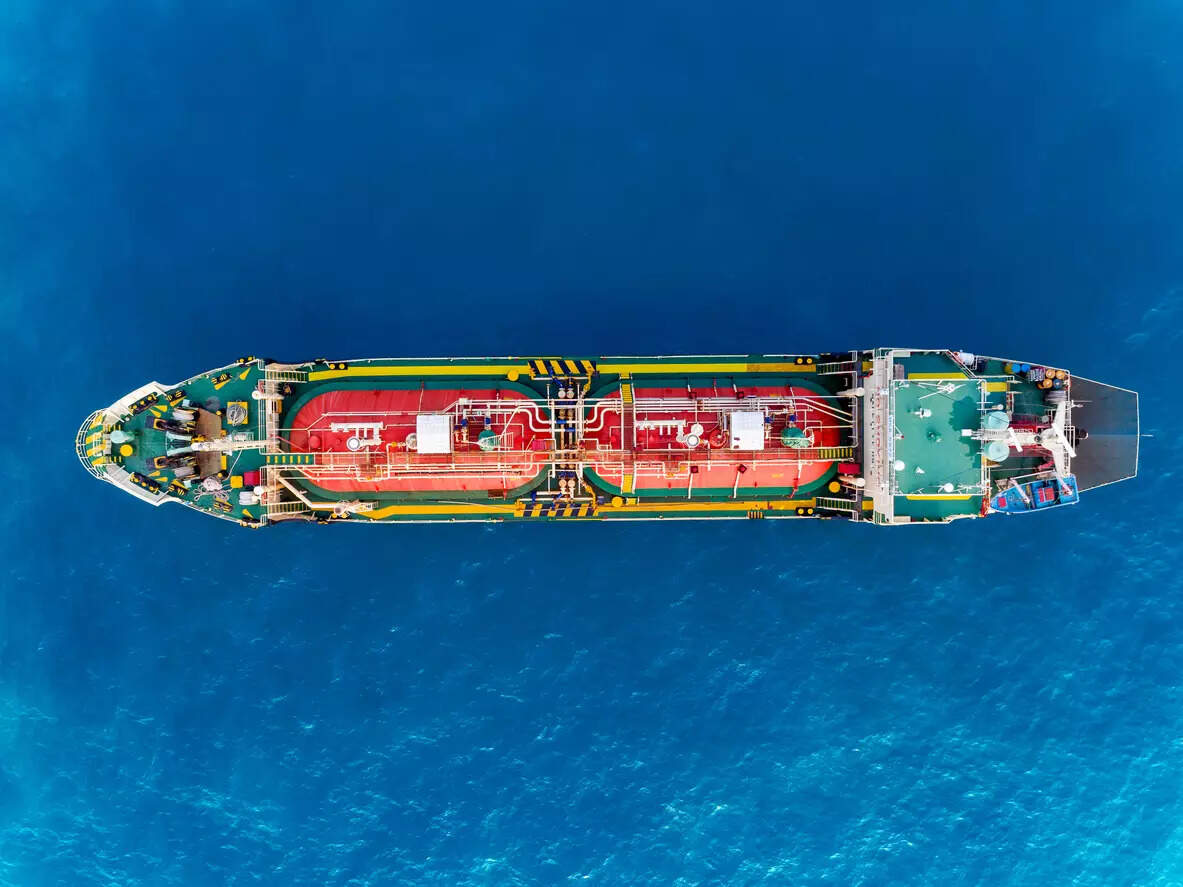
As Iran-Israel-US war rages, some oil majors and top trading houses have suspended crude oil and fuel shipments via the Strait of Hormuz, media reported on February 28 citing sources.
“Our ships will stay put for several days,” one top executive at a major trading desk told news agency Reuters.
Israel carried out a pre-emptive strike against Iran on Saturday, while the United States also launched attacks, escalating tensions in the Middle East and undermining prospects for a diplomatic resolution to Tehran’s nuclear standoff with Western powers.
According to two U.S. officials who spoke to Reuters on condition of anonymity, the American military began a series of strikes targeting sites in Iran. The full extent of the air and naval operations was not immediately known. An Iranian official told Reuters that Tehran was preparing a forceful response.
A separate source indicated that Iran’s Supreme Leader, Ayatollah Ali Khamenei, had been moved from Tehran to a secure location.
The latest escalation comes after a 12-day air conflict in June between Israel and Iran, and follows repeated warnings from Washington and Tel Aviv that further action would be taken if Iran continued advancing its nuclear and ballistic missile programmes.
Israel’s Defence Minister Israel Katz said the country had initiated a pre-emptive operation to eliminate threats against the state. An Israeli defence official added that the mission had been in preparation for months in coordination with the United States, with the timing determined weeks earlier.
Iranian media reported explosions in Tehran on Saturday, while sirens sounded across Israel at around 8.15 a.m. local time. The Israeli military described the alert as a precautionary measure to prepare civilians for the possibility of incoming missile attacks.
Authorities in Israel ordered schools and non-essential workplaces to shut, barred public airspace, and suspended civilian flights. The airports authority advised people not to travel to any of the country’s airports.
The U.S. and Iran had resumed talks in February aimed at resolving their long-running dispute through diplomacy and avoiding a broader regional conflict.
However, Israel maintained that any agreement between Washington and Tehran must involve dismantling Iran’s nuclear infrastructure, rather than merely halting enrichment activities. It also pushed for the inclusion of restrictions on Iran’s missile programme in negotiations.
Iran, for its part, said it was open to discussing limits on its nuclear activities in exchange for sanctions relief but rejected linking the issue to its missile capabilities. Tehran reiterated that it would respond to any aggression and warned neighbouring states hosting U.S. forces that American bases would face retaliation if the U.S. attacked Iran.
In June, the United States joined Israel in targeting Iranian nuclear facilities, marking the most direct American military action against the Islamic Republic to date. Iran responded by firing missiles at the U.S. Al Udeid air base in Qatar, the largest American military installation in the Middle East.
Western nations have long argued that Iran’s ballistic missile programme threatens regional security and could potentially be used to deliver nuclear weapons, an allegation Tehran continues to deny.