Geopolitical Turmoil Inflicts Billions in Damage to Middle East Energy Infrastructure
The escalating geopolitical conflict in the Middle East has unleashed a devastating impact on critical energy infrastructure, with damages estimated to run as high as $58 billion. This alarming figure, provided by consulting firm Rystad Energy, underscores the severe financial and operational challenges facing the global oil and gas sector.
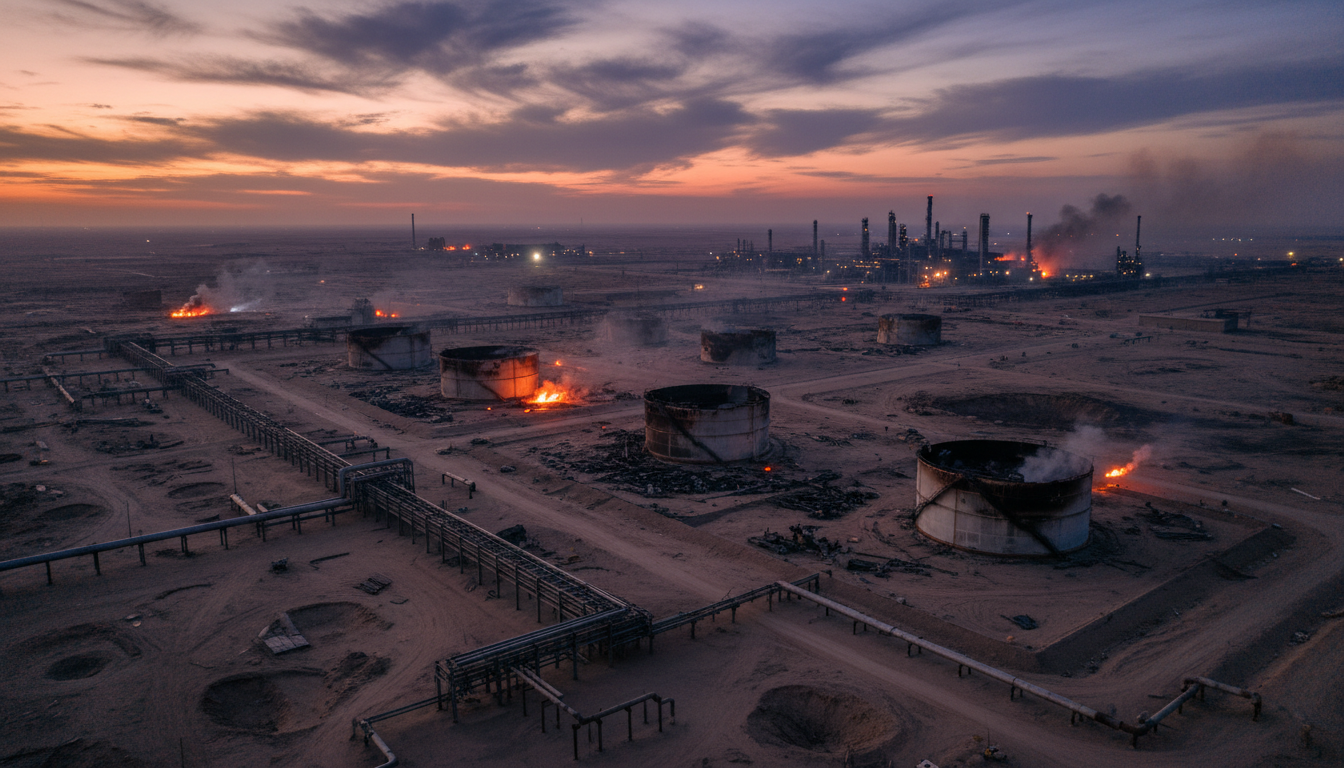
Since the conflict intensified on February 28, targeting of vital energy assets has been widespread across the Gulf. Iran’s actions have focused on the oil and gas facilities of its Gulf Arab neighbors, including crucial production sites, refining complexes, and extensive pipeline networks. Concurrently, Israel has launched strikes against natural gas and petrochemical installations within Iran, creating a dangerous tit-for-tat dynamic that destabilizes a region central to global energy supply.
Staggering Financial Blow and Protracted Recovery Ahead
The sheer scale of destruction is a primary concern for investors. Fatih Birol, Executive Director of the International Energy Agency (IEA), revealed that over 80 energy facilities have been attacked since late February. Critically, more than one-third of these facilities have sustained severe damage, a level of destruction that distinguishes this conflict from past regional skirmishes.
“This represents one of the most pressing issues, fundamentally different from previous incidents, as numerous facilities are extensively compromised,” Birol stated at a recent Atlantic Council event. He warned that restoring these damaged assets and bringing oil and gas production back to pre-conflict levels could realistically take up to two years. Even at a conservative estimate, Rystad Energy projects the minimum repair bill for the documented damage to exceed $34 billion. The ultimate financial burden remains uncertain, contingent on whether yet-unassessed damage proves to be localized or structurally critical.
Global Supply Chains Brace for Unprecedented Stress
The ramifications extend beyond direct financial costs. Karan Satwani, a senior analyst specializing in supply chain research at Rystad, highlighted the imminent strain on global energy supply chains. The extensive equipment and specialized personnel required for such widespread repairs will inevitably create bottlenecks and drive up costs for projects worldwide, impacting capital expenditure planning across the industry.
Investors must factor in not only the immediate repair expenses but also the potential for prolonged project delays and increased material costs globally as demand surges for specialized components and services. This ripple effect could impact exploration, development, and maintenance schedules far beyond the Middle East.
Iran and Qatar’s LNG Sector Face Billions in Losses
Among the hardest hit, Iran’s energy infrastructure faces estimated repair costs of up to $19 billion. However, the most severe single incident with direct global market implications involved Qatar’s pivotal liquefied natural gas (LNG) operations.
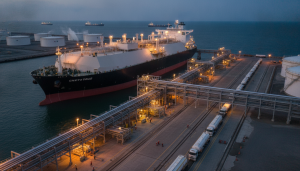
The escalation saw Israel bomb Iran’s South Pars natural gas complex on March 18, triggering swift retaliation. Iran subsequently targeted the world’s largest LNG facility in Qatar. This attack severely damaged two production lines crucial for Qatar’s vast gas exports, impacting a significant 17% of the small Gulf state’s total gas output. State-owned QatarEnergy confirmed on March 19 that this damage would result in an estimated $20 billion in lost revenue and necessitate a staggering five years for full repair and restoration. This disruption casts a long shadow over the already tight global LNG market, threatening to exacerbate supply concerns and potentially drive up international gas prices.
Broader Regional Instability Challenges Energy Security
The campaign of attacks has not been confined to Iran and Qatar. Crucial energy infrastructure in other key Gulf producers, including Saudi Arabia, Kuwait, and the United Arab Emirates, has also been targeted. Pipelines, oil refineries, and production facilities across these nations have sustained hits, underscoring the pervasive nature of the conflict and its broad impact on regional energy security.
For global oil and gas investors, these developments signal a period of heightened volatility and increased risk premiums associated with Middle Eastern assets. The extensive damage, the protracted recovery timelines, and the immense financial outlays required for repairs will undoubtedly influence investment decisions and strategic planning for years to come. Market participants must closely monitor the evolving geopolitical landscape and its tangible effects on production capacity, export capabilities, and the stability of global energy prices. The long-term implications for energy supply reliability and the potential for shifts in global energy trade routes remain critical considerations.