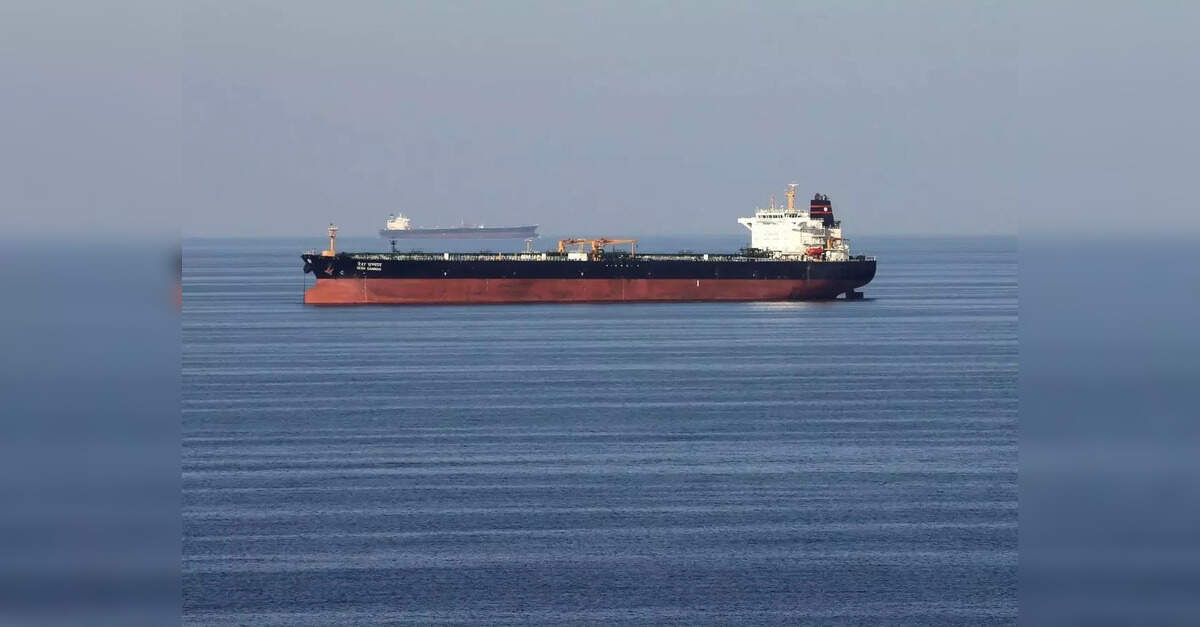
The Strait of Hormuz, a narrow waterway essential for global energy flows, has once again become the focal point of geopolitical tension. Iran’s Revolutionary Guards issued an explicit declaration this week, stating the strait is closed and threatening decisive action against any vessels attempting passage. This grave warning, delivered by a senior adviser to the Guards commander-in-chief, Ebrahim Jabari, that “the strait (of Hormuz) is closed. If anyone tries to pass, the heroes of the Revolutionary Guards and the regular navy will set those ships ablaze,” marks Tehran’s most unequivocal threat since initial warnings emerged on Saturday. With roughly 20 percent of the world’s daily oil consumption transiting this chokepoint, connecting major Gulf producers like Saudi Arabia, Iraq, and the UAE to global markets, such a closure would represent an unprecedented disruption to oil supply. This escalation follows US and Israeli strikes on Iran on February 28, which Tehran claims were aimed at toppling its leadership, prompting retaliatory missile barrages against Gulf neighbors hosting American military bases. Yet, despite the gravity of these pronouncements, the immediate market reaction has been nuanced, presenting a complex picture for energy investors.
Hormuz: Geopolitical Tinderbox and Global Supply Lifeline
The Strait of Hormuz, only 33 kilometers wide at its narrowest point, is undeniably the world’s most vital oil export route. Its strategic importance cannot be overstated; it serves as the primary conduit for crude shipments from the Persian Gulf, impacting oil prices and global economic stability. Iran’s long-standing threats to block this waterway in response to perceived aggressions have now materialized into a direct declaration, turning a hypothetical risk into an immediate concern. The recent escalation stems directly from the February 28 US and Israeli strikes on Iranian targets, which President Donald Trump reportedly framed as an effort to assist Iranians in ousting the ruling clerics. Iran’s swift and extensive retaliation, including missile attacks on Qatar, Kuwait, Bahrain, the UAE, Saudi Arabia, and Oman – all nations hosting US military assets – underscores the volatile regional dynamics. This current crisis also layers upon existing vulnerabilities in global shipping, notably the ongoing drone and missile assaults by Yemen’s Iran-aligned Houthi militants in the Red Sea and Gulf of Aden, which have already strained maritime logistics since the Gaza conflict erupted in late 2023. Investors are therefore grappling with a multi-front challenge to supply chain security.
Market Response: Skepticism Amidst Elevated Risk?
Despite the severity of Iran’s explicit threat to close the Strait of Hormuz, the immediate market reaction reveals a fascinating disconnect, suggesting either investor skepticism regarding the practical implementation of the threat or the presence of overriding market factors. As of today, April 21, 2026, Brent Crude is trading at $93.9 per barrel, reflecting a modest increase of 0.71% within a daily range of $93.52 to $94.21. WTI Crude shows a similar trend, priced at $90.38 per barrel, up 0.79% and moving between $89.71 and $90.7. Gasoline prices remain stable at $3.13. These daily gains, while positive, hardly reflect the “sharply higher” prices one might anticipate from the potential choking off of a fifth of global oil flows. This contrasts sharply with the broader trend we’ve observed: Brent crude has seen a significant decline over the past 14 days, falling from $118.35 on March 31, 2026, to $94.86 on April 20, 2026 – a substantial drop of $23.49, or nearly 20%. This pronounced downward trajectory suggests that other macro forces, perhaps related to global demand outlooks or perceptions of ample existing supply, are currently holding more sway than the immediate geopolitical risk in the Gulf. Investors are clearly weighing the geopolitical saber-rattling against broader market fundamentals, leading many to question, as our reader intent data indicates, whether WTI is truly heading up or down in the medium term.
Navigating the Near-Term: Upcoming Catalysts and Investor Sentiment
The nuanced market response to the Hormuz threat underlines the importance of closely monitoring upcoming energy events, which could either validate or contradict current price trends. Many investors are asking about the trajectory of crude oil prices for the remainder of 2026, and the upcoming calendar provides critical data points. This week, specifically on Tuesday, April 21, the OPEC+ Joint Ministerial Monitoring Committee (JMMC) convenes. Any signals from this meeting regarding production policy – whether maintaining current cuts, hinting at increases, or expressing concerns about market stability – could significantly impact sentiment and potentially overshadow the immediate Hormuz headlines. Following that, on Wednesday, April 22, the EIA Weekly Petroleum Status Report will offer fresh insights into US crude inventories, refinery activity, and demand indicators, providing a crucial snapshot of the world’s largest consumer market. Further into the week, the Baker Hughes Rig Count on Friday, April 24, will inform on North American production trends. These recurring data releases, coupled with the API and EIA inventory reports on April 28 and 29 respectively, and the EIA Short-Term Energy Outlook on May 2, collectively form the bedrock of fundamental analysis. In a market grappling with severe geopolitical risks, these forthcoming reports will be instrumental in shaping perceptions of actual supply-demand balances, influencing investor decisions and potentially setting the stage for where oil prices might settle by the end of 2026.
Investor Focus: Beyond the Headlines to Long-Term Value
The current environment, marked by an explicit and severe threat to a critical oil chokepoint juxtaposed with a recent decline in crude prices, presents a complex challenge for energy investors. Our proprietary reader intent data reveals a strong focus not just on immediate price movements, but also on the broader implications for specific equities and the long-term oil price outlook. Investors are keenly assessing how these geopolitical risks, alongside fundamental supply and demand dynamics, will influence the performance of major oil and gas players through the end of April 2026 and beyond. While the immediate market reaction to the Hormuz threat has been surprisingly muted, perhaps indicating a degree of “threat fatigue” or confidence in diplomatic resolution, the underlying risk remains palpable. Companies with significant exposure to Middle Eastern crude supply chains, or those heavily reliant on global trade routes, face elevated operational and financial risks. Conversely, producers in more stable regions or those with diversified portfolios might offer a degree of insulation. The current climate demands a diligent and granular approach to analysis, moving beyond sensational headlines to evaluate the true impact of geopolitical events on supply, demand, and ultimately, the profitability of energy investments.


