The global oil market is once again navigating treacherous geopolitical waters, with recent actions from Iran signaling a heightened risk of regional escalation. Our proprietary data pipelines reveal a significant surge in Iranian crude oil exports, a move analysts interpret as Tehran bracing for potential confrontation with the United States. This rapid acceleration in shipments introduces a complex dynamic into an already volatile market, demanding astute analysis from investors focused on the energy sector. Understanding the motivations behind this export rush and its potential implications for global supply, pricing, and broader geopolitical stability is paramount for positioning portfolios effectively in the coming weeks and months.
Iran’s Preemptive Export Blitz Signals Mounting Tensions
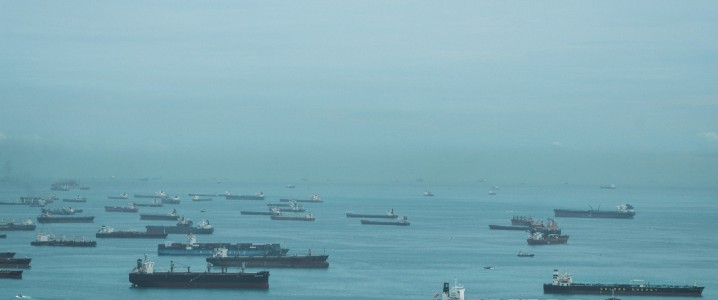
In a strategic maneuver indicating profound concern, Iran has dramatically ramped up its crude oil exports in recent days. Vessel-tracking data indicates that from February 15 to February 20, crude loadings from Kharg Island, Iran’s primary export terminal, soared to an astounding 20.1 million barrels. This export rate translates to over 3 million barrels per day, more than double Iran’s typical export levels in recent years and a staggering threefold increase compared to the January 15-20 period. Such an aggressive push to move crude out of the Gulf suggests a clear preemptive strategy, with Tehran likely anticipating potential U.S. military intervention or renewed sanctions amidst ongoing tensions. This isn’t an unprecedented tactic; Iranian tankers famously moved away from Kharg Island in October 2024 and again during the June 2025 conflict with Israel, underscoring a consistent pattern of de-risking export infrastructure during periods of elevated threat.
Market Response and the Geopolitical Risk Premium
The market’s reaction to this escalating geopolitical backdrop is a critical indicator for investors. As of today, Brent Crude trades at $93.86 per barrel, reflecting a 0.66% gain, while WTI Crude stands at $90.22, up 0.61%. While these daily upticks suggest a modest risk premium being priced in, it’s essential to view them within a broader context. Our 14-day Brent trend data shows a significant correction, with prices falling from $118.35 on March 31st to $94.86 on April 20th – a nearly 20% decline. This prior downward momentum suggests that despite the immediate geopolitical risks, underlying demand concerns or broader market sentiment may have been capping a more dramatic price surge. However, the current Iranian export rush injects a fresh layer of uncertainty, posing a direct threat to global supply stability. Any actual disruption or perceived threat to shipping lanes in the Gulf could quickly erase recent gains and send prices significantly higher as the geopolitical risk premium expands.
What Investors Are Asking: Navigating Price Direction and Future Outlook
Our proprietary reader intent data reveals a clear focus among investors on future price direction. Queries like “is WTI going up or down?” and “what do you predict the price of oil per barrel will be by end of 2026?” highlight the prevalent anxiety and desire for clarity. The current situation with Iran is a prime example of how geopolitical events can fundamentally shift supply-demand dynamics and market sentiment. While the immediate rush of Iranian oil might temporarily add barrels to the market, the overarching concern is the potential for future supply disruptions. Should U.S.-Iran tensions escalate into direct confrontation or more stringent sanctions, a significant portion of Iranian output could be taken offline, driving prices substantially higher. Conversely, successful diplomatic breakthroughs, such as the indirect talks in Geneva this Thursday, could alleviate fears and potentially remove some of the geopolitical risk premium, leading to price moderation. Investors must remain agile, recognizing that the trajectory of crude prices in the near term is heavily dependent on the outcome of these high-stakes negotiations and military posturing.
Upcoming Events: Diplomatic Deadlines and Data Points to Watch
The coming weeks are packed with critical events that will heavily influence the energy market’s direction, particularly against the backdrop of U.S.-Iran tensions. Beyond the immediate diplomatic efforts in Geneva, investors should closely monitor the OPEC+ JMMC Meeting on April 21st. This gathering could see the alliance reacting to perceived oversupply from Iran’s export blitz, or conversely, preparing for potential supply shortfalls if tensions escalate. Furthermore, the EIA Weekly Petroleum Status Reports on April 22nd and April 29th, alongside the API Weekly Crude Inventory updates, will provide crucial insights into U.S. inventory levels. Higher inventories could absorb some of the geopolitical shock, while unexpected drawdowns might amplify price volatility. Looking slightly further ahead, the EIA Short-Term Energy Outlook on May 2nd will offer updated forecasts on supply, demand, and prices, incorporating the latest geopolitical developments. These scheduled events, combined with the unpredictable nature of Middle East politics, underscore a period of heightened vigilance for any investor in the oil and gas sector.


