

Iranian Port Disaster Rattles Global Energy Markets, Supply Risk Elevated
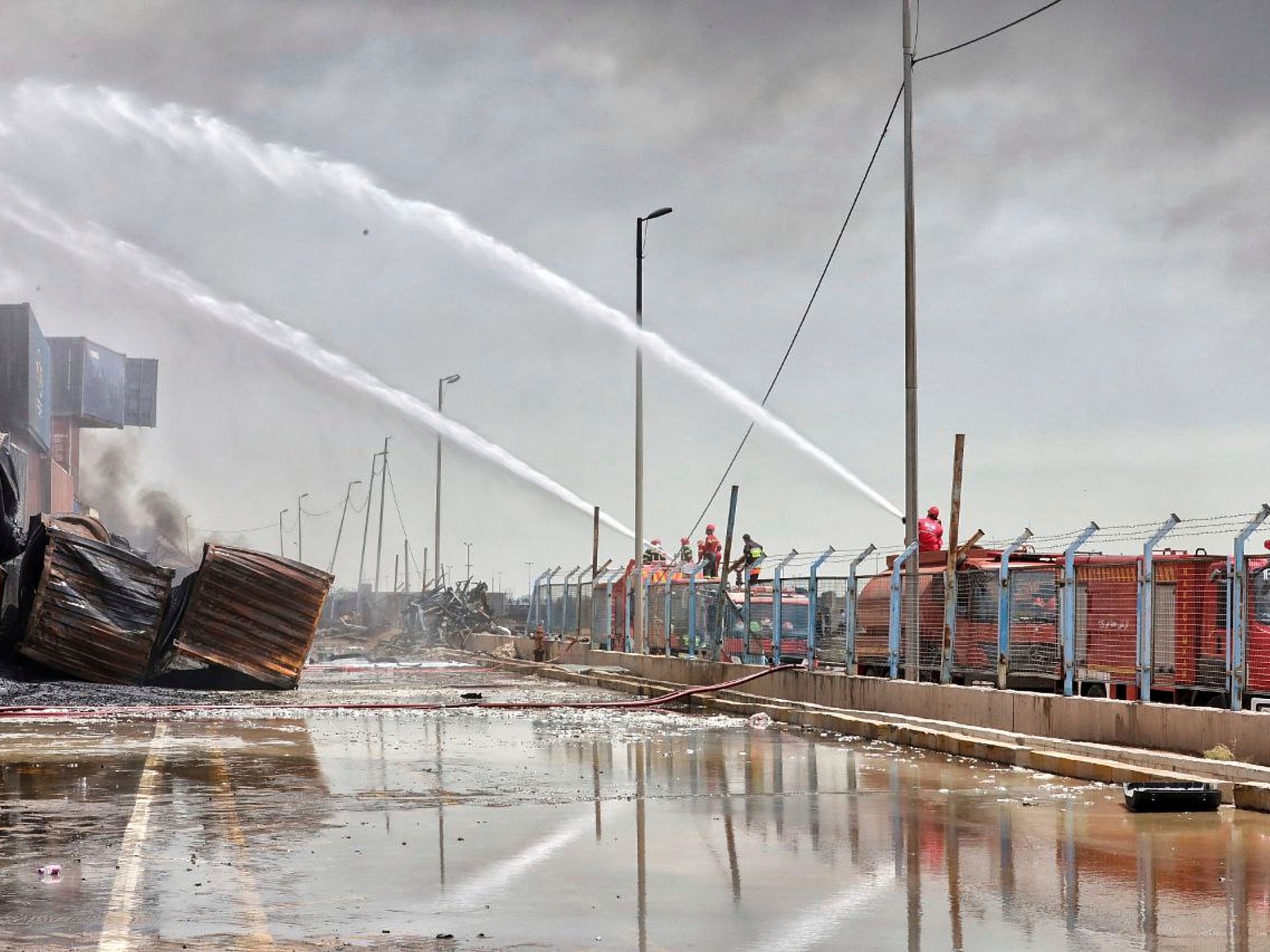
Global energy investors are keenly assessing the fallout from a major incident at Shahid Rajaei Port, Iran’s primary commercial maritime gateway situated near Bandar Abbas. While Iranian authorities confirm the inferno, which consumed parts of the facility for two days, is now fully extinguished, the blast has cast a long shadow over regional stability, underscoring inherent vulnerabilities in critical energy transit infrastructure. The catastrophic event, which unfolded on Saturday, tragically claimed at least 70 lives, injured more than 1,000 individuals, and left approximately 120 people still requiring hospital care.
The strategic positioning of Shahid Rajaei Port, in close proximity to the vital Strait of Hormuz, immediately commanded the attention of oil and gas market participants. The Strait represents an indispensable choke point, through which an estimated 20% of the world’s daily crude oil supply navigates. Consequently, any disruption, or even the perception of instability in this critical maritime corridor, constitutes a material concern for global oil pricing and the complex web of international shipping logistics. Although initial assessments suggest no direct impediment to crude transit through the Strait has occurred, the incident starkly highlights the persistent geopolitical risks intertwined with energy infrastructure assets in the Middle East.
Unraveling the Cause: Accidental Blunder or Something Deeper?
Iranian Interior Minister Eskandar Momeni, during an on-site visit to the devastated area, publicly attributed the explosion to “negligence” and a series of “shortcomings, including noncompliance with essential safety precautions.” He further indicated that officials have “identified and summoned” individuals deemed responsible, signaling an active internal investigation is underway. Earlier reports from the port’s customs office suggested that a fire originating in a depot housing hazardous chemical materials likely precipitated the massive detonation. Recognizing the gravity of the situation, Iran’s Supreme Leader, Ayatollah Ali Khamenei, has mandated a comprehensive inquiry into the incident.
Crucially for market analysts, Tehran has emphatically rejected external speculation linking the explosion to a shipment of missile fuel. This denial appears aimed at meticulously controlling the narrative surrounding the event, particularly given the highly sensitive geopolitical climate. Nevertheless, the dissonance between official explanations pointing to an industrial accident and persistent external conjecture inevitably fosters an environment of uncertainty, which can significantly influence the risk premiums embedded in energy commodity trading.
Geopolitical Crosscurrents and Investor Sentiment
The timing of this incident is particularly salient, coinciding with high-level discussions between Iranian and US delegations in Oman concerning Tehran’s contentious nuclear program, talks which both sides reported as having made some progress. Such an event, even if officially labeled an accident, inherently becomes interwoven with the intricate tapestry of regional geopolitics. Iran has historically accused its regional rival, Israel, of orchestrating acts of sabotage against its critical infrastructure. Notably, The Washington Post previously detailed a 2020 cyberattack targeting Iranian infrastructure, an incident that underscores the ongoing, clandestine struggle for influence and security in the region.
For investors, this pattern of alleged and actual attacks, coupled with the current port disaster, reinforces the perception of heightened operational risk in Iran. The potential for escalation, whether through direct military confrontation or covert actions, remains a constant shadow over the region’s energy landscape. While the immediate impact on oil flows through the Strait of Hormuz might be negligible, the long-term implications for insurance costs, shipping routes, and the overall reliability of Iranian energy exports cannot be overlooked. Energy firms with exposure to the region, or those reliant on its transit routes, must factor in this elevated risk premium into their strategic planning and valuation models.
Market Response and Future Outlook for Oil & Gas
In the immediate aftermath, global crude oil benchmarks exhibited a modest upward tick, primarily driven by speculative buying based on the perceived increase in regional instability. However, without direct evidence of disruption to oil exports or shipping lanes, sustained price surges are unlikely unless further, more concrete threats to supply emerge. The real impact lies in the re-evaluation of systemic risk. The blast serves as a stark reminder of the fragile nature of supply chains and the profound influence of geopolitical events on energy markets.
As the comprehensive inquiry unfolds, market participants will be scrutinizing every detail for clues that might challenge the official narrative or suggest a broader pattern of vulnerability. The incident reinforces the need for diversification in energy supply and a vigilant watch on Middle Eastern developments. For oil and gas investors, the key takeaway is clear: while the fires at Shahid Rajaei Port may be out, the underlying geopolitical tensions and the associated supply risks in this crucial energy-producing and transit region remain acutely elevated. This event underscores that “negligence” in a geopolitically sensitive area can carry far-reaching consequences, impacting not just local communities but also global energy security and investor confidence.
