

Iran Port Blast: Fires Contained, O&G Supply Risk Elevated
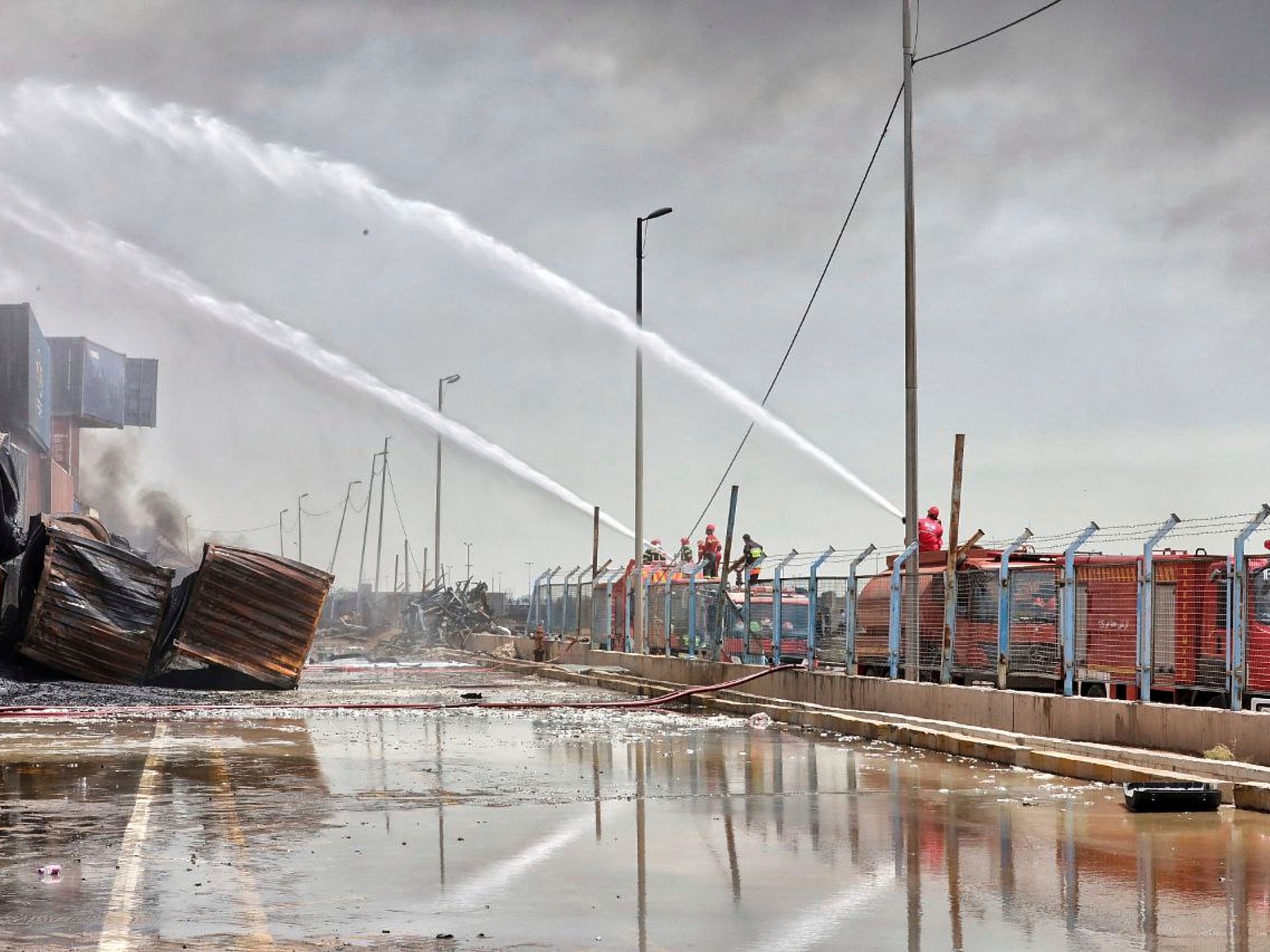
Global energy markets are closely monitoring developments in Iran following a significant explosion at Shahid Rajaei Port, the nation’s largest commercial maritime gateway near Bandar Abbas. While Iranian authorities confirm the fires, which raged for two days, are now fully extinguished, the incident casts a long shadow over regional stability and highlights potential vulnerabilities in critical energy transit routes. The blast, which occurred on Saturday, tragically claimed at least 70 lives and injured over 1,000 individuals, though officials report approximately 120 remain hospitalized.
This event at Shahid Rajaei Port, strategically positioned near the Strait of Hormuz, immediately draws attention from oil and gas investors. The Strait is a choke point through which approximately 20% of the world’s crude supply transits daily, making any disruption or even perceived instability in the vicinity a material concern for global oil prices and shipping logistics. While initial reports indicate no direct impact on crude transit through the Strait, the incident underscores the inherent geopolitical risks associated with energy infrastructure in the region.
Unraveling the Cause: Negligence or Something More?
Iranian Interior Minister Eskandar Momeni, during his visit to the affected area, publicly attributed the explosion to “negligence” and “shortcomings, including noncompliance with safety precautions.” He further stated that authorities have “identified and summoned” those responsible, suggesting an internal investigation is actively progressing. The port’s customs office earlier posited that a fire at a depot storing hazardous chemical materials likely triggered the massive blast. Iran’s Supreme Leader, Ayatollah Ali Khamenei, has ordered a comprehensive inquiry into the incident, signaling the gravity with which the nation views the event.
Crucially for market watchers, Tehran has explicitly refuted external speculation that the explosion involved a shipment of missile fuel. This denial aims to manage the narrative surrounding the incident, particularly given the sensitive geopolitical backdrop. However, the contrast between official explanations of industrial accident and persistent external speculation creates an environment of uncertainty that can influence risk premiums in energy trading.
Geopolitical Tensions and Investor Sentiment
The timing of this incident is particularly noteworthy, occurring as Iranian and US delegations held high-level discussions in Oman regarding Tehran’s nuclear program, with both sides reporting some progress. Such an event, even if officially declared an accident, inevitably intertwines with the complex tapestry of regional geopolitics. Iran has historically accused its regional adversary, Israel, of orchestrating sabotage against its infrastructure. Notably, The Washington Post previously reported on a 2020 cyberattack targeting Shahid Rajaei Port, an incident that underscored the vulnerability of key Iranian facilities to external interference.
For energy investors, this historical context, coupled with ongoing tensions, means any major incident in Iran is not viewed in isolation. Regardless of the official cause, the blast can contribute to a heightened perception of risk in the region, potentially impacting shipping insurance rates, future investment decisions in regional energy projects, and general market confidence in the stability of Middle Eastern crude flows. The declaration of a national day of mourning and three days of mourning in Hormozgan province, alongside local orders for school and office closures and public health warnings, further illustrates the scale of the domestic disruption.
Navigating Future Supply Risks
While the immediate crisis at Shahid Rajaei Port appears contained, the broader implications for oil and gas supply risks demand continued vigilance from investors. The incident serves as a stark reminder of the delicate balance governing global energy security, particularly in areas adjacent to vital maritime routes like the Strait of Hormuz. Investors should monitor the ongoing investigation, any shifts in official narratives, and, critically, the broader geopolitical climate for potential ripple effects on crude oil prices, tanker markets, and regional energy infrastructure projects. Any escalation of tensions or further incidents could swiftly recalibrate market expectations for supply stability and risk premiums.
