

Strategic Easing in Hormuz: A Tense Balancing Act for Global Oil Markets
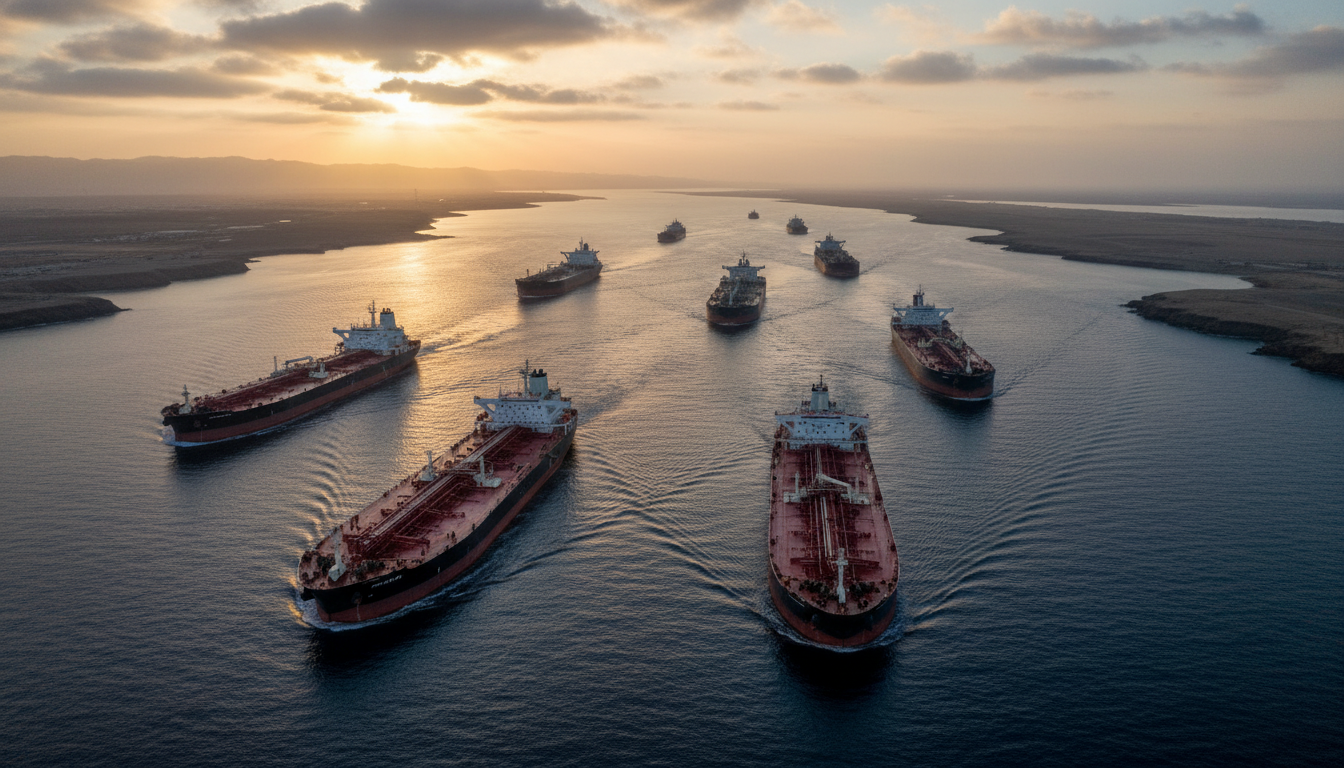
President Donald Trump recently announced a noteworthy, if limited, development from the Strait of Hormuz, informing a Cabinet meeting that Iran had permitted the passage of ten oil tankers. Characterizing this movement as a diplomatic “present” and a promising sign in ongoing international dialogues, Trump offered the clearest indication yet of an administration-hinted, albeit restricted, relaxation at the world’s most critical oil chokepoint.
From an investor’s vantage, the market’s response is necessarily guarded, viewing this development as incremental and profoundly conditional. Crucially, precise details remain elusive. The White House has yet to confirm specifics regarding the vessels themselves, their specific cargo, or whether additional transits are anticipated. Trump’s remarks suggested the tankers were foreign-flagged, potentially Pakistani, framing their passage as a goodwill gesture emanating from Tehran.
The Disconnect: Paper vs. Physical Markets Amidst Strait Restrictions
For weeks, flows through the Strait of Hormuz have been significantly curtailed. Iran has effectively asserted control over passage, allowing only select cargoes through at its discretion. This strategic constriction has created a profound dislocation between the paper and physical oil markets, a dynamic deeply unsettling for energy investors. This disconnect is stark, with Brent crude futures commanding a robust $108 per barrel, even as physical barrels face immense logistical hurdles and struggle for unfettered transit to their destinations. The mere passage of ten tankers, while a positive signal, does not rectify this systemic challenge, though it certainly represents a tentative first step.
Under normal operating conditions, the Strait of Hormuz facilitates the transit of approximately one-fifth of the globe’s total oil flows. Allowing a small number of vessels to pass may offer some immediate, albeit temporary, relief – particularly for crucial buyers in Asia. However, it falls far short of restoring anything resembling normal trade volumes or operational predictability. This episode, therefore, powerfully reinforces a critical point for energy security and market stability: unimpeded access to the Strait of Hormuz is now, unequivocally, a strategic lever in international geopolitics.
Iran’s Calculated Modulation: A Geopolitical Chess Move
Iran’s actions suggest a deliberate strategy to modulate, rather than outright reopen, the vital shipping lane. This calculated approach serves a dual purpose: it sustains a degree of pressure on the global energy system, thereby maintaining leverage in ongoing discussions, while simultaneously signaling just enough flexibility to prevent a complete breakdown of negotiations. This intricate dance of calculated concessions and persistent pressure underscores the volatile nature of crude oil supply routes and the inherent geopolitical premium embedded in current energy prices.
For investors, understanding this nuanced control is paramount. Every single barrel of oil currently traversing the Strait of Hormuz does so under specific, negotiated terms – terms dictated by geopolitical imperatives rather than pure market economics. This reality introduces a significant element of risk into global energy supply chains, demanding heightened vigilance from those with exposure to oil and gas assets. The ability of a single nation to control such a vital chokepoint means that disruptions, even minor ones, can send ripples of uncertainty throughout the market, impacting everything from shipping costs to long-term investment strategies.
Investment Implications: Navigating Uncertainty in Critical Chokepoints
The recent events in the Strait of Hormuz highlight enduring vulnerabilities within the global energy supply infrastructure. While the momentary easing offers a brief respite, it does not diminish the long-term structural risks associated with such critical maritime chokepoints. Investors must recognize that the geopolitical premium on crude oil prices is likely to persist as long as these strategic routes remain subject to political maneuvering and the whims of regional actors.
Companies with robust, diversified supply chains and strategic inventory management may be better positioned to weather such disruptions. Conversely, those heavily reliant on single chokepoints could face amplified operational risks and increased volatility in their financial performance. The ongoing saga in Hormuz serves as a potent reminder that energy markets are not solely governed by supply and demand fundamentals but are deeply intertwined with complex geopolitical dynamics. Vigilance, scenario planning, and a deep understanding of regional stability are indispensable tools for navigating the modern energy investment landscape. As the world watches Iran’s next move, the future of global oil flows, and by extension, oil prices, hangs precariously in the balance.
