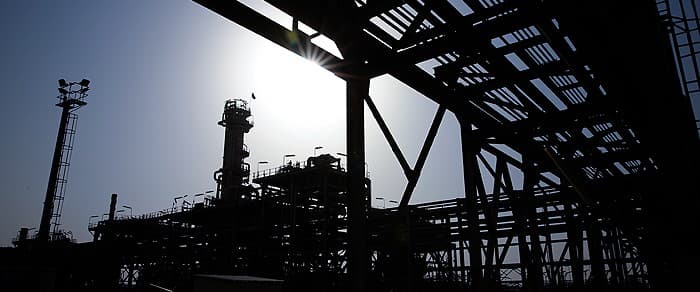
The global oil market is grappling with a paradox unfolding in Iran: surging crude exports defying sanctions juxtaposed against escalating domestic instability fueled by a severe infrastructure crisis. As the regime prioritizes foreign crude sales to shore up its finances, its citizens endure record heatwaves, widespread power blackouts, and critical water shortages, leading to a second night of protests in Sabzevar and spreading unrest. This delicate balance of external supply and internal dissent creates a potent cocktail of market risk that demands close attention from energy investors.
Iran’s Export Juggernaut Amidst Domestic Collapse
Iran’s crude and condensate exports have reached levels not seen in years, averaging nearly 1.9 million barrels per day (bpd) in June, with loadings briefly peaking at an impressive 2.5 million bpd in the first half of the month. This export surge, predominantly directed to China at over 1.7 million bpd, underscores Tehran’s effectiveness in circumventing U.S. sanctions and stricter EU price cap enforcement through its sophisticated “shadow fleet” and opaque routing tactics. Our proprietary reader intent data indicates a keen investor interest in the operational capacity of Chinese ‘tea-pot’ refineries; Iran’s consistent supply to the region provides crucial feedstock, directly impacting their activity levels.
However, this export success comes at a steep domestic cost. The nation is experiencing its hottest summer in decades, pushing its power and water infrastructure to breaking point. Reservoir levels are at generational lows, and national power consumption has repeatedly exceeded 70,000 megawatts. Blackouts, once confined to rural areas, now plague major cities like Isfahan, Mashhad, and even southern Tehran. The unrest in Sabzevar, where protestors chanted “no water, no power” amidst temperatures soaring above 48°C, is a stark manifestation of this crisis. The government’s decision to declare a public holiday and close offices to conserve energy highlights the severity of the grid strain. This stark contrast between robust exports and internal deprivation suggests a strategic prioritization by the Iranian leadership, aiming to maximize foreign currency inflows even if it exacerbates social tensions.
Geopolitical Tightrope and Market Valuation
The regime’s export strategy is inextricably linked to a complex geopolitical game, particularly concerning its nuclear program. Tentative talks with the UK, Germany, and France are scheduled for the end of this week in Istanbul, adding another layer of uncertainty to Iran’s international standing. Any progress or breakdown in these negotiations could dramatically alter the sanctions landscape, directly impacting Iran’s ability to maintain its current export volumes. For investors, this creates a significant binary risk: a de-escalation could potentially legitimize more Iranian crude on the market, while a hardening stance could lead to even tighter enforcement, threatening existing flows.
As of today, Brent crude trades at $94.88, showing marginal movement in a broader market that has seen significant softening. This reflects a notable shift over the past two weeks, with Brent falling from $108.01 on March 26 to $94.58 yesterday, marking a decline of over 12%. While the general market trend has been downward, the specific risks emanating from Iran’s domestic instability and geopolitical maneuvering inject a critical, albeit unquantified, risk premium into current prices. Investors are acutely aware that any major disruption to Iran’s 1.9 million bpd export stream could quickly reverse recent price trends, especially given the market’s underlying tightness.
Forward Outlook: Supply Risks and Investor Horizon
Looking ahead, the interplay of Iran’s domestic woes and its export capabilities will remain a pivotal factor for global oil supply. Our proprietary data indicates that many of our readers are actively seeking a base-case Brent price forecast for the next quarter. The potential for the ongoing protests to escalate, or for the infrastructure crisis to fundamentally impair export logistics, represents a tangible upside risk to prices. While the current administration seems committed to sustaining exports, the long-term viability of this strategy without addressing domestic needs is questionable.
The immediate calendar holds several key events that could either react to or influence the Iranian situation. The upcoming OPEC+ Joint Ministerial Monitoring Committee (JMMC) meeting on April 18, followed by the Full Ministerial Meeting on April 20, will be closely watched. While Iran is exempt from OPEC+ quotas due to sanctions, any collective production decisions by the alliance could be influenced by the perceived stability of Iranian supply. Furthermore, the weekly API and EIA crude inventory reports on April 21/22 and April 28/29, respectively, will provide critical snapshots of market balances. A sustained period of geopolitical tension or domestic unrest in a major producer like Iran inevitably feeds into a higher risk premium for crude, challenging consensus Brent forecasts for 2026 and potentially driving prices above current levels if supply fears materialize.


