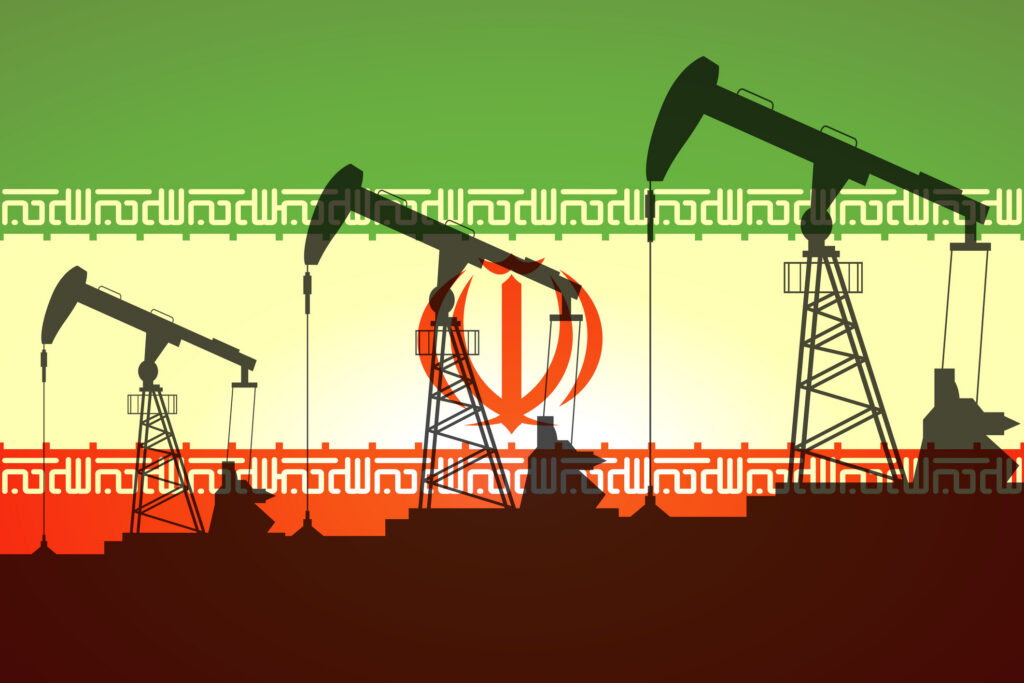
The geopolitical landscape in the Middle East has once again ignited a firestorm in global energy markets, sending oil and gas prices surging amid fears of prolonged supply disruptions. An escalating conflict involving Iran, the U.S., and Israel has led to direct attacks on shipping and energy infrastructure, severely impacting critical choke points and forcing significant production shutdowns across the region. Investors are grappling with immediate price volatility and the specter of renewed inflation, prompting a re-evaluation of energy sector exposures. This analysis leverages OilMarketCap’s proprietary data to cut through the noise, offering an informed perspective on the current market dynamics, forward-looking catalysts, and what these developments mean for your investment strategy.
Immediate Supply Shock Reverberates Through Global Markets
The Strait of Hormuz, a vital artery for approximately 20% of the world’s oil and liquefied natural gas (LNG) supply, has seen traffic grind to a near halt. Reports indicate tanker transits plummeted dramatically, with only four vessels recorded on March 1st following the outbreak of hostilities, a stark contrast to the average of 24 per day observed since January. This immediate chokehold on maritime trade has left hundreds of oil and LNG tankers stranded near major hubs like Fujairah, unable to reach their destinations in Asia and Europe. The impact on crude supply has been swift and severe. Iraq, OPEC’s second-largest producer, has already reported significant production cuts, decreasing output from its Rumaila and West Qurna 2 fields by a combined 1.16 million barrels per day. Qatar, a titan in LNG exports, has shuttered its facilities, while Saudi Arabia, Israel, and Iraq’s Kurdistan region have also suspended significant portions of their gas and oil output.
This unprecedented disruption has naturally fueled a sharp rally in commodity prices. As of today, Brent Crude trades at $90.38, having navigated a volatile day range between $86.08 and $98.97. While this represents a retreat from the high of $112.78 seen on March 30th, it remains significantly elevated and underscores the persistent market anxiety. WTI Crude mirrors this trend, currently priced at $82.59, with a day range from $78.97 to $90.34. Gasoline prices have also felt the squeeze, holding at $2.93 after volatile intraday trading. The initial reports of the crisis highlighted Brent surging above $83 per barrel, and our current market snapshot confirms that these supply-side pressures are maintaining a robust floor under prices, even with recent corrections from peak levels.
Navigating Logistics and Geopolitical Escalation Risks
Beyond the immediate shipping standstill, the conflict’s reach extends to critical energy infrastructure. Drone attacks have targeted facilities like a fuel tank at Oman’s Duqm commercial port, while a fire erupted at the UAE’s Fujairah, a key regional oil hub. Such incidents not only disrupt operations but also elevate insurance premiums and increase the perceived risk of doing business in the region. Attempts by Saudi Aramco to reroute crude through its western Red Sea port of Yanbu via the east-west pipeline face capacity limitations and, more critically, the heightened risk of becoming a target for allied forces. The constrained capacity of alternative routes means that any sustained closure of the Strait of Hormuz would have profound, long-lasting consequences for global energy supply chains.
The geopolitical ramifications are complex and could trigger a renewed spike in inflation, threatening to derail nascent economic recoveries in Europe and Asia. The Middle East accounts for nearly one-third of global oil production and almost one-fifth of natural gas, making any prolonged conflict a systemic risk to the global economy. Investors are rightly concerned about the potential for further escalation, which could bring more production offline or broaden the scope of attacks, keeping a premium on energy prices for the foreseeable future.
Investor Focus: Upcoming Catalysts and Forward Price Trajectories
Our proprietary reader intent data reveals a keen focus among investors on where oil prices are headed, with common questions revolving around the future direction of WTI and predictions for Brent by the end of 2026. While precise long-term forecasts are challenging amidst such volatility, several key events in the coming weeks will offer crucial insights and potential catalysts for price movement. The upcoming OPEC+ Joint Ministerial Monitoring Committee (JMMC) Meeting on April 20th, followed by the full OPEC+ Ministerial Meeting on April 25th, will be paramount. Given the current supply disruptions, the market will be closely watching for any signals on production policy. Should the crisis persist, OPEC+ might face increased pressure to either maintain current quotas or even consider increasing output to stabilize markets, though the latter is less likely if member states are themselves experiencing disruptions.
Furthermore, weekly data releases from the U.S. Energy Information Administration (EIA) and American Petroleum Institute (API) will provide critical snapshots of market health. The API Weekly Crude Inventory reports on April 21st and 28th, alongside the EIA Weekly Petroleum Status Reports on April 22nd and 29th, will offer granular detail on U.S. stock levels, refining activity, and demand indicators. Any unexpected draws could exacerbate supply fears, pushing prices higher. Similarly, the Baker Hughes Rig Count on April 24th and May 1st will indicate future production potential. While these events typically influence market sentiment, their impact will be amplified against the backdrop of Middle East instability. Investors should monitor these dates closely, as they will shape the short-to-medium term outlook for oil prices and provide context for navigating the ongoing uncertainty. The question of “is WTI going up or down?” will largely depend on the interplay between these fundamental data points and the evolving geopolitical narrative.
Beyond Crude: Broader Energy Market Implications
The ripple effects of this crisis extend far beyond crude oil. European gas prices, already under pressure from prior geopolitical events, initially soared by as much as 40% before paring gains, building on a similar surge earlier in the week. Qatar’s shutdown of its vast LNG facilities underscores the immediate and significant impact on global natural gas supply, accounting for approximately 20% of worldwide LNG exports. This tightening of gas markets will inevitably translate into higher energy costs for consumers and industries, particularly in Europe and Asia, which are heavily reliant on imported LNG. Companies with significant exposure to European or Asian energy markets, or those involved in LNG trading and infrastructure, will face heightened volatility. While investor questions about specific companies like Repsol are valid, the broader market context of elevated gas prices and supply chain risks will heavily influence sector-wide performance. The interconnectedness of global energy markets means that a crisis in one segment, or one region, rapidly cascades, creating both risks and opportunities for discerning investors.