The Unseen Energy Footprint of AI-Driven Retail
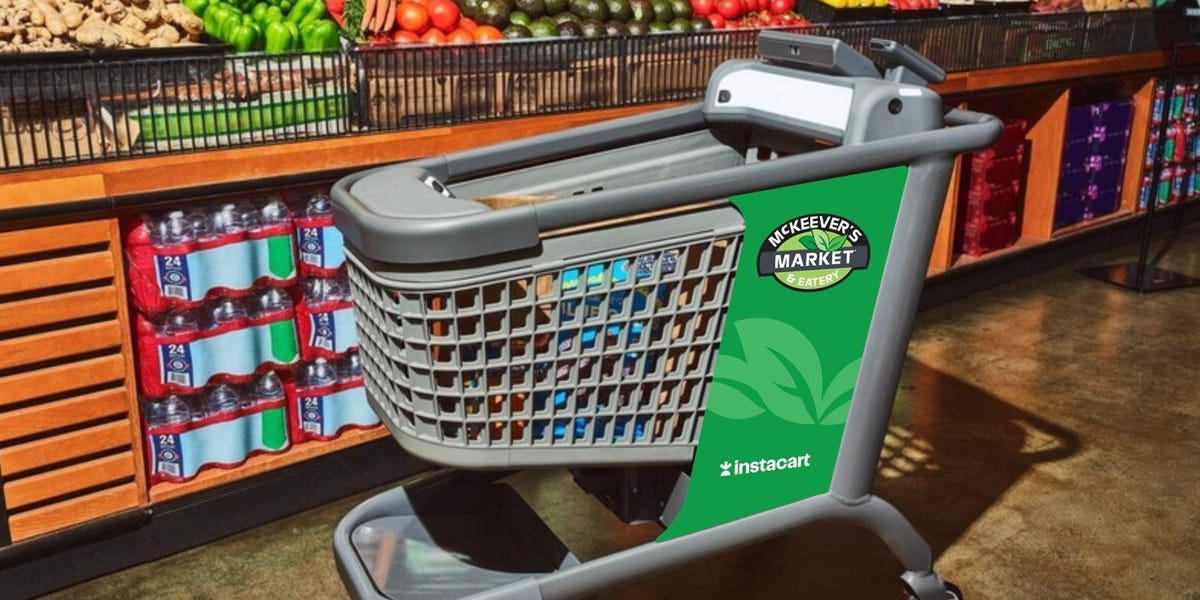
The consumer-facing world of retail innovation, exemplified by Instacart’s ambitious rollout of AI-powered “Cart Assistant” for smart shopping carts, might seem far removed from the core concerns of oil and gas investors. Yet, a deeper look reveals a critical, often underestimated, link: the escalating demand for energy, particularly natural gas, to fuel the data centers powering these advanced artificial intelligence solutions. As Instacart integrates its agentic AI tools into retailer websites and Caper smart shopping carts, as seen with Sprouts Farmers Market, the computational load required to enable functions like budget-conscious party planning assistance or real-time gluten checks mid-shop translates directly into a growing thirst for electricity. This isn’t just about a single grocery chain; it’s a microcosm of the broader AI revolution, which is steadily becoming a significant, structural driver of natural gas demand.
Market Swings and the Hidden Demand Surge
As of today, Brent Crude trades at $90.38, a significant 9.07% drop, with WTI Crude following suit at $82.59, down 9.41%. This sharp correction in crude prices, which has seen Brent fall from $112.78 just weeks ago on March 30th, reflects a complex interplay of macroeconomic concerns and traditional supply-demand dynamics. Gasoline prices at $2.93, a 5.18% decline, further underscore this bearish sentiment. However, while headlines focus on these immediate price movements, investors must look beyond the barrel to understand emerging demand vectors. The deployment of AI services like Instacart’s Cart Assistant, which automatically scans items, tracks spending, and offers personalized recommendations, demands immense processing power. This computational intensity necessitates vast data centers, which are increasingly reliant on natural gas-fired power generation for their electricity needs. Therefore, while crude oil faces headwinds, the underlying demand for natural gas from the burgeoning AI sector provides a less visible, but increasingly robust, floor for energy prices, particularly in electricity grids.
Navigating Supply Amidst Evolving Demand Signals
The coming weeks are packed with critical events that will shape traditional energy market sentiment. The OPEC+ JMMC Meeting on April 19th and the subsequent Ministerial Meeting on April 20th are paramount, as market participants eagerly await decisions on production quotas. Following these, the API Weekly Crude Inventory on April 21st and the EIA Weekly Petroleum Status Report on April 22nd will provide crucial insights into current supply levels. Our readers are keenly focused on these traditional indicators, with many asking, “What do you predict the price of oil per barrel will be by end of 2026?” and “What are OPEC+ current production quotas?”. Our analysis suggests that the answers to these questions are becoming increasingly intertwined with the growth of AI. Should OPEC+ maintain tight supply, the traditional oil market could see upward pressure. Simultaneously, the accelerating demand for electricity from AI data centers will continue to consume vast quantities of natural gas. This dual pressure creates a dynamic where traditional supply management must now contend with an emergent, non-linear demand curve from the digital economy, complicating long-term price forecasts for the entire energy complex.
Investment Implications: The Data Center as a New Demand Hub
For savvy oil and gas investors, the rise of AI-driven services like Instacart’s Caper carts signals a strategic shift in energy demand patterns. The “business-to-business” expansion of Instacart, selling technology to grocery stores, means the proliferation of these energy-intensive AI solutions will only accelerate. This trend positions data centers as new, significant hubs of natural gas consumption. Investors asking about the future of energy markets, and even those exploring the capabilities of advanced analytical tools like EnerGPT to interpret complex data, should recognize this fundamental change. Opportunities are emerging not just in direct natural gas production, but also in companies involved in data center infrastructure development, power generation utilities, and even technologies focused on improving data center energy efficiency. As these AI agents become ubiquitous, from tracking out-of-stock items to analyzing product data for better shopping suggestions, the demand for reliable, scalable electricity – largely sourced from natural gas – will become an increasingly dominant factor in energy market analysis, offering a compelling long-term bullish narrative for the natural gas sector.


