Indonesia Unlocks Massive Nature-Based Carbon Play: A New Frontier for Energy Investors
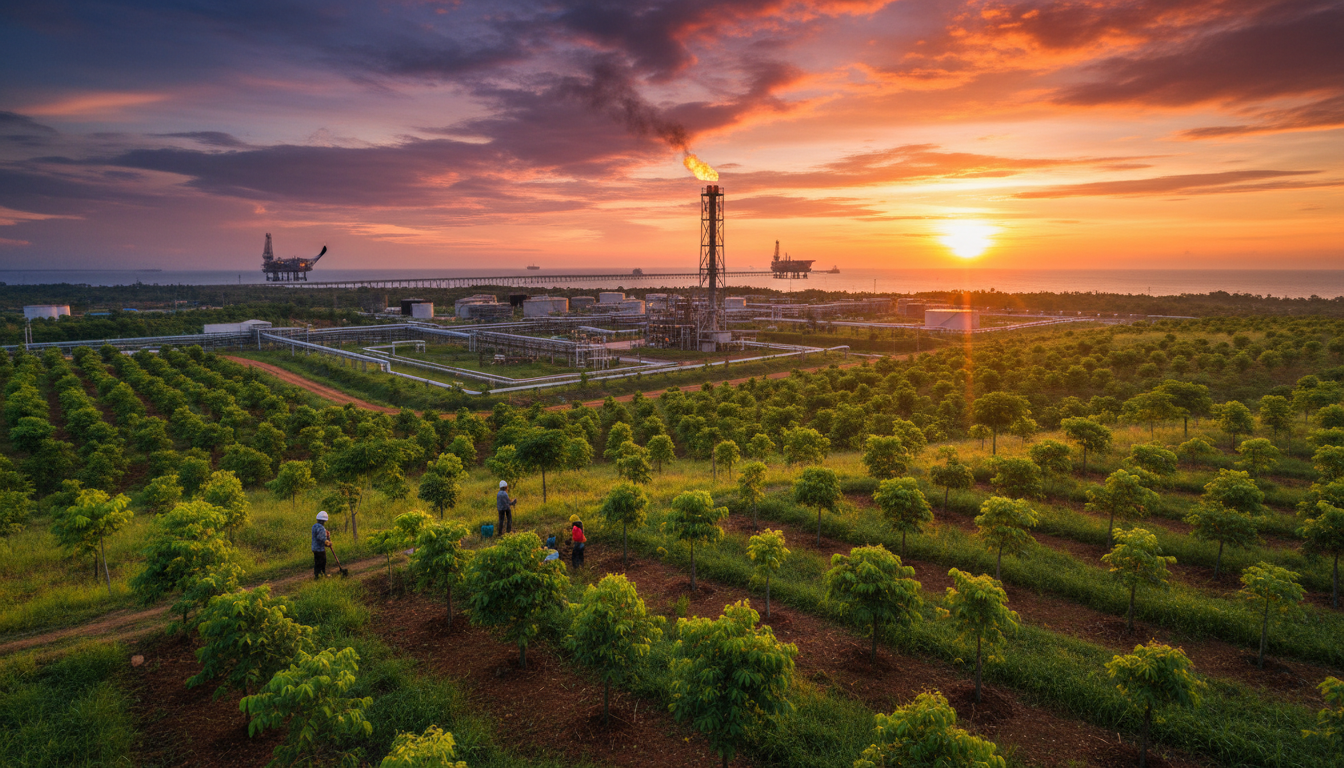
Indonesia is positioning itself at the forefront of the global nature-based solutions market, unveiling an monumental initiative to restore 12 million hectares of degraded land. This ambitious program, announced by Forestry Minister Raja Juli Antoni at the United Nations Forum on Forests, presents a significant new avenue for carbon credit generation, poised to attract substantial capital from energy companies and investors keen on climate finance.
The sheer scale of this undertaking cannot be overstated. Encompassing nearly 29.65 million acres, this area surpasses the landmass of many sovereign nations, immediately signaling a potentially transformative impact on the voluntary carbon market. For energy sector firms and institutional investors actively building their ESG portfolios or seeking high-quality offsets, Indonesia’s commitment could establish a robust pipeline of nature-based solutions. This initiative not only provides a potential financing mechanism for Indonesia’s climate commitments and rural development but also positions the nation as a pivotal player in the evolving global carbon landscape.
Indonesia’s Ambitious Carbon Offset Vision Takes Shape
Underpinning this ecological ambition is a revamped regulatory framework designed to facilitate carbon offset sales. Indonesia’s forestry ministry has articulated that these transactions will adhere to stringent integrity standards, critically emphasizing partnerships with local communities. This focus on local engagement is a strategic move to preempt criticisms often leveled against forest carbon projects concerning land rights, equitable benefit-sharing, and long-term project stewardship. The updated carbon trading regulations specifically enable the international sale of these verified emission reductions and removals, creating a direct conduit for Indonesia to monetize its environmental efforts.
Prior to assuming office in 2024, President Prabowo Subianto explicitly identified the monetization of carbon emission credits as a key potential revenue stream. This political backing solidifies the nation’s intent to attract climate finance, rehabilitate vast degraded areas, and cement its status as a significant global supplier in the burgeoning carbon markets. For energy majors and C-suite executives globally, this development signals an impending increase in the supply of nature-based offsets from Southeast Asia. Astute investors will closely monitor the quality of these projects, the robustness of verification protocols, and the stability of the political landscape before deploying significant capital.
The Credibility Imperative: Governance and Execution Risks
Despite this forward momentum, Indonesia’s ambitious plan unfolds against a challenging environmental backdrop. A recent report from environmental group Auriga highlighted a concerning 66% surge in Indonesian forest loss during 2025—the highest rate observed in eight years. Auriga attributed this acceleration to weakened environmental protections and President Prabowo’s strategic emphasis on food and energy self-sufficiency. This creates a tangible policy tension: the drive to expand carbon finance and restore land runs concurrent with national development imperatives that could inadvertently escalate pressure on existing forest ecosystems.
This dichotomy underscores the paramount importance of robust governance in defining the market credibility of Indonesia’s carbon initiatives. Prospective carbon buyers, particularly those in the energy sector with demanding ESG criteria, will require irrefutable proof that new projects deliver genuine, additional climate benefits. They will also seek assurances that newly restored areas are not simply offsetting continued, widespread forest depletion elsewhere. High-integrity carbon credits demand more than mere tree planting; they necessitate transparent land tenure, rigorous monitoring, auditable accounting practices, and robust safeguards against reversal. Without these foundational elements, even the most well-intentioned projects risk reputational damage and diminished demand from discerning global buyers.
Strategic Implications for Energy Sector Investors
Indonesia’s expansive reforestation endeavor is poised to serve as a crucial test case for emerging-market climate finance, weaving together national land policy, the dynamics of voluntary carbon markets, essential local community participation, and the burgeoning international demand for credible offsets. For corporate buyers, especially those within the energy industry facing escalating decarbonization pressures, the opportunity is clear but complex. Large-scale forest restoration can significantly bolster climate strategies, particularly for companies seeking verifiable carbon removals or high-quality nature-based credits. However, the intensity of scrutiny surrounding carbon integrity remains exceptionally high.
For investors, the core determinant of success will be execution. Indonesia possesses both the vast land base and the stated policy intent. The critical next steps involve consistent enforcement of environmental regulations, the establishment of credible, independent verification mechanisms, and the development of a project pipeline capable of withstanding rigorous global due diligence. The political ramifications extend regionally, given Indonesia’s custodianship of some of the world’s most vital tropical forests. The trajectory of this initiative—its success or failure—will inevitably shape how other forest-rich economies leverage carbon markets to fund both conservation and economic development.
Looking Ahead: Indonesia’s Role in Global Climate Finance
If Indonesia successfully harmonizes ambitious restoration targets with unimpeachable carbon governance, its 12 million-hectare plan could evolve into a foundational platform for global climate finance. This would offer a significant boost to the supply side of the voluntary carbon market, providing tangible opportunities for energy companies to meet their climate pledges and for investors to diversify into impactful ESG assets. Conversely, if the trend of increasing forest loss persists, astute market participants will likely approach this nascent market with significant caution, prioritizing transparency and verifiable impact above all else. The coming years will be crucial in demonstrating Indonesia’s capacity to deliver on this monumental environmental and financial promise.


