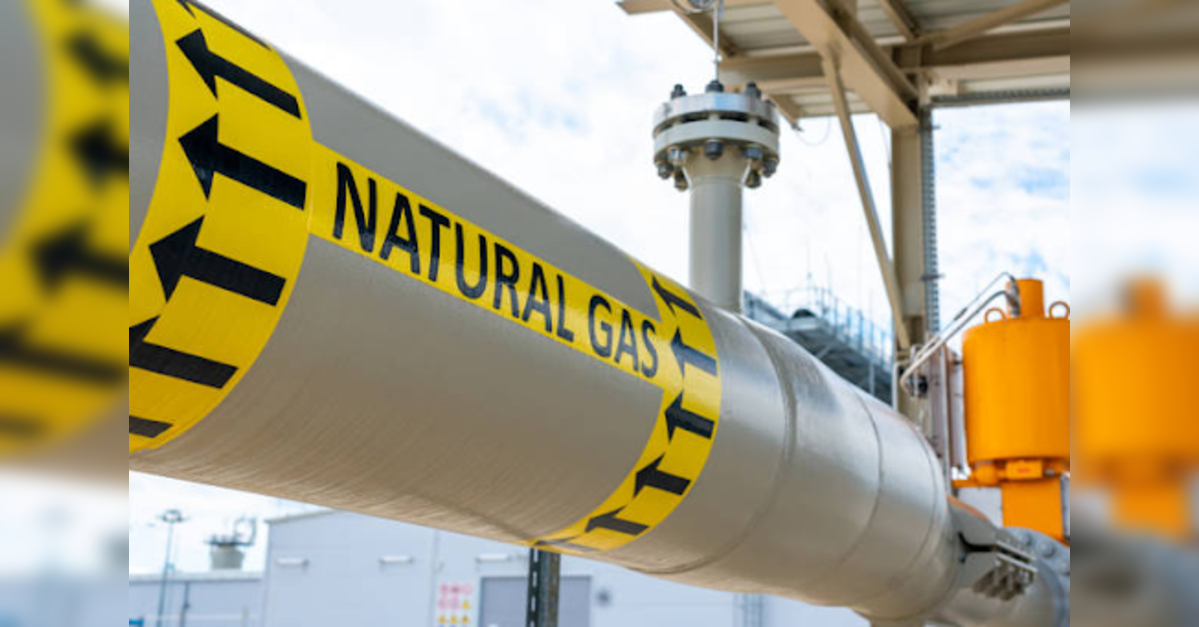
India’s strategic pivot towards piped natural gas (PNG) is emerging as a critical theme for energy investors, driven by an urgent need for enhanced energy security amidst escalating global geopolitical tensions. The recent supply disruptions, exacerbated by ongoing conflicts in the Gulf region, have highlighted India’s vulnerability, particularly concerning liquefied petroleum gas (LPG) imports. This situation is compelling the government to accelerate a domestic energy transition, creating significant long-term investment opportunities in India’s burgeoning natural gas sector. Our analysis, leveraging OilMarketCap’s proprietary data pipelines, suggests this is not merely a temporary response but a foundational shift with lasting implications for infrastructure development, domestic production, and the broader energy commodity landscape.
Geopolitical Headwinds Reshape India’s Energy Import Reliance
The recent instability in the Gulf, where a substantial 90% of India’s imported LPG originates, has underscored the precariousness of its energy supply chain. With an estimated 60% of India’s LPG consumption met by imports, any disruption in key shipping lanes, such as the Strait of Hormuz, immediately translates into domestic supply concerns. This is despite assurances from government officials that refineries are operating at full capacity and domestic LPG production has seen a commendable 30% increase. The real challenge lies in distribution and logistics, evidenced by the surge in daily average cylinder bookings from 5.5 million to over 7.5 million in a single week, leading to rationing and delays. This reliance on a concentrated import source is driving a decisive policy shift. The government’s active monitoring of over 23,000 Indian seafarers and vessel movements in the Gulf region, including specific updates like the Jag Prakash tanker safely exiting the Gulf of Oman, illustrates the heightened risk environment that is forcing India to re-evaluate its energy strategy. This proactive stance on maritime security, coupled with the domestic push for PNG, indicates a clear intent to insulate the nation from external shocks.
The PNG Mandate: A Structural Shift Towards Domestic Gas Demand
The directive for Indian households to transition from LPG cylinders to PNG wherever feasible is more than just a convenience upgrade; it’s a strategic move to de-risk national energy security. With approximately 6 million families identified as capable of making the switch due to existing PNG infrastructure in their neighborhoods, and a current base of 16 million domestic PNG customers, the growth potential is substantial. This initiative is being actively facilitated by city gas distribution companies, which will see increased demand for network expansion, last-mile connectivity, and natural gas supply. While India currently faces a domestic natural gas shortage, meeting only about half of its consumption, the prioritization of PNG-connected households during the current crisis signals a clear long-term commitment. This policy fosters a stable demand base for natural gas, encouraging upstream investment in domestic exploration and production, and potentially new LNG import infrastructure to bridge the supply gap. Investors should closely watch the capital expenditure plans of major Indian gas utilities and infrastructure players, as this mandate translates directly into a pipeline of projects and sustained demand growth.
Market Dynamics and Future Outlook for Energy Investors
The current geopolitical landscape, which is heavily influencing India’s energy policy, continues to exert pressure on global commodity markets. As of today, Brent crude trades at $92.96 per barrel, reflecting a slight dip of 0.3% within a day range of $92.57-$94.21, while WTI crude stands at $89.36, also down 0.35% in a range of $88.76-$90.71. This follows a broader trend where Brent has declined by approximately 7% over the past two weeks, falling from $101.16 to $94.09. These fluctuating prices underscore the volatility that India seeks to mitigate through domestic energy solutions. For investors tracking the sector, the coming weeks will offer crucial insights. The EIA Weekly Petroleum Status Reports on April 22nd and 29th, and again on May 6th, will provide fresh data on crude inventories and demand, directly impacting price sentiment. Furthermore, the Baker Hughes Rig Count on April 24th and May 1st will indicate North American production trends. Most critically, the EIA Short-Term Energy Outlook scheduled for May 2nd could offer revised forecasts on global supply and demand, potentially shifting investment theses for both crude and natural gas. India’s accelerating shift to PNG, while a domestic policy, will increasingly become a factor in global natural gas demand projections, offering a counter-cyclical investment theme against general crude volatility.
Addressing Investor Questions: The Search for Stability in a Volatile Market
Our proprietary reader intent data reveals a consistent theme among investors this week: a palpable desire for clarity amidst market uncertainty. Questions range from direct inquiries about WTI’s short-term trajectory to long-term oil price predictions for the end of 2026. This reflects a broader investor anxiety about commodity price volatility and the fundamental drivers of energy markets. India’s strategic push towards PNG directly addresses these concerns from a national perspective. By reducing reliance on imported LPG, particularly from geopolitically sensitive regions, India aims to stabilize its domestic energy costs and enhance supply predictability. For investors, this translates into a unique opportunity. While global crude prices may remain volatile, investments in India’s city gas distribution companies, natural gas pipeline infrastructure, and domestic upstream gas producers could offer more insulated growth. The government’s encouragement of this shift provides regulatory tailwinds, making these segments potentially less susceptible to the immediate swings of international crude benchmarks. This strategy is a long-term play on energy independence, offering a defensive yet growth-oriented avenue for those seeking stability within the broader energy investment landscape.


