India’s DME Pilot: A Strategic Shift Towards Energy Independence
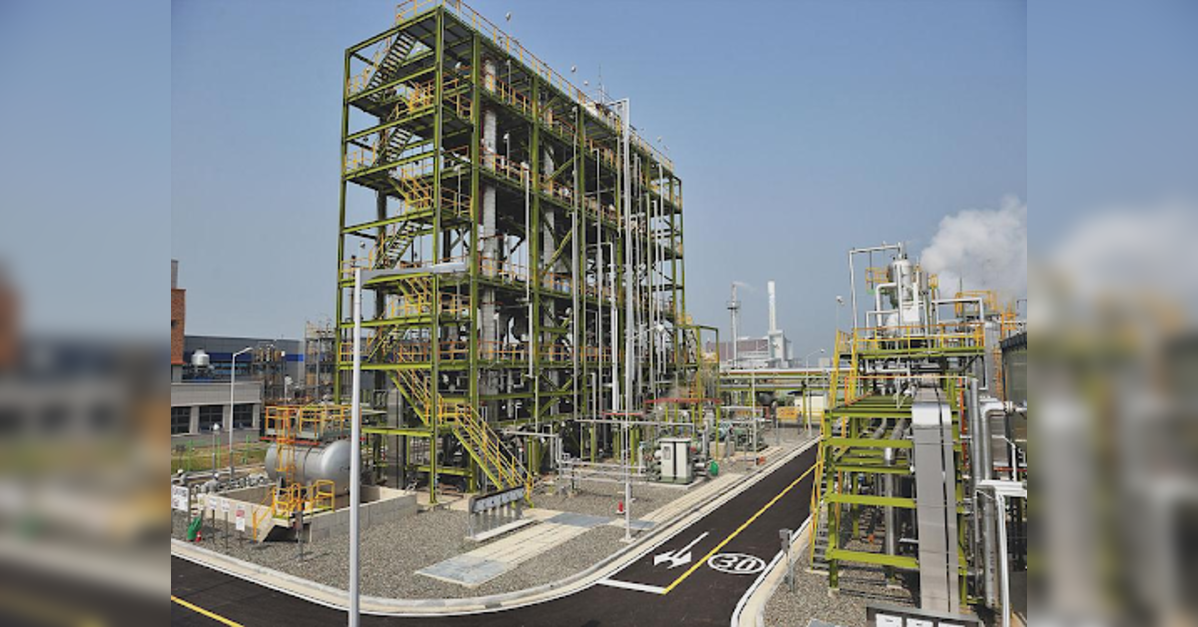
India is on the cusp of a significant energy transition, with a pioneering pilot plant for Dimethyl Ether (DME) poised to reshape its domestic fuel landscape. Developed by CSIR-National Chemical Laboratory (NCL), this initiative targets the scaling up of DME production as a viable, indigenous alternative to Liquefied Petroleum Gas (LPG). For investors, this development signals not just a technological advancement but a strategic move by a major global energy consumer to enhance self-reliance and mitigate the impact of volatile international energy markets. The potential for DME, a synthetic fuel derived from methanol, to seamlessly integrate into existing LPG infrastructure presents a compelling case for its rapid adoption, offering a robust hedge against external supply disruptions and price escalations that have historically plagued India’s energy security.
De-Risking Supply Chains: DME as a Buffer Against Global Volatility
The imperative for India to find stable, domestic energy sources has never been clearer. Global supply chain disruptions have led to sharp price escalations in LPG, a widely used cooking fuel across the subcontinent. This vulnerability underscores the strategic importance of alternatives like DME. As of today, the broader crude oil market remains a significant factor influencing energy costs. Brent Crude is trading at $92.96, reflecting a slight dip of 0.3% within a daily range of $92.57 to $94.21. This modest daily movement, however, masks a more significant trend: Brent has seen a decline of $7.07, or 7%, over the last 14 days, falling from $101.16 on April 1st to $94.09 on April 21st. This persistent volatility, while currently trending downwards, is a stark reminder of the unpredictable nature of international energy markets and the economic strain it places on import-dependent nations. WTI Crude mirrors this sentiment, currently at $89.36, down 0.35% today. Gasoline prices also reflect cautious optimism, at $3.11, down 0.64%. For India, domestic DME production, leveraging diverse feedstocks, offers a crucial buffer against such fluctuations, promising greater price stability and reduced reliance on foreign exchange for energy imports. This de-risking of the national energy portfolio represents a substantial long-term value proposition for the Indian economy and, by extension, for investors looking at stability in this critical sector.
Seamless Integration: Paving the Way for Rapid Market Penetration
One of the most attractive features of the DME initiative, from an investment perspective, is its remarkable compatibility with existing infrastructure. Scientists at NCL emphasize that substituting LPG with DME would necessitate no changes to current cylinders, gaskets, regulators, hoses, or burners. This eliminates a significant barrier to adoption, which often plagues new energy technologies. Furthermore, the Bureau of Indian Standards (BIS) has already established guidelines for blending DME with LPG across domestic, commercial, and industrial applications, streamlining the regulatory path for market entry. This “plug-and-play” capability means that the transition for millions of Indian households and businesses can be swift and cost-effective, bypassing the immense capital expenditure typically associated with overhauling an entire fuel distribution network. The ability to utilize DME independently with specially designed stoves also provides flexibility for future, higher-concentration applications. For investors, this translates into a faster return on investment for DME production and distribution infrastructure, as the end-user market is already primed for adoption without requiring substantial upgrades at their end.
Navigating Future Markets: DME’s Role Amidst Investor Queries and Upcoming Reports
Investors are keenly observing the direction of global energy markets, with common inquiries centering on crude oil price forecasts and the performance of key players. Questions such as “What do you predict the price of oil per barrel will be by end of 2026?” highlight the prevailing uncertainty and the search for reliable long-term outlooks. Similarly, direct questions like “Is WTI going up or down?” underscore the immediate need for market direction. In this context, the emergence of DME as a viable alternative fuel takes on added significance. While immediate crude price movements are influenced by current supply-demand dynamics, the strategic deployment of DME can fundamentally alter long-term demand patterns for LPG. Investors should pay close attention to several upcoming energy events that will shape market sentiment and future forecasts. The EIA Weekly Petroleum Status Reports, scheduled for April 22nd, April 29th, and May 6th, will provide crucial insights into US crude oil and product inventories, impacting global supply perceptions. The Baker Hughes Rig Count on April 24th and May 1st will offer an indication of future production trends. However, perhaps the most critical report for long-term strategic planning will be the EIA Short-Term Energy Outlook on May 2nd. This outlook will provide updated projections for crude oil and natural gas prices, production, and consumption through 2026, offering a vital benchmark against which to evaluate DME’s competitive positioning and its potential to stabilize India’s energy costs. The successful scaling of DME could serve as a powerful hedge for investors against the inherent volatility signaled by current market queries and upcoming data points, providing a more predictable energy future for India.
Sustainable Feedstocks and the Green Investment Landscape
Beyond its immediate economic benefits, DME’s production pathways present significant opportunities within the burgeoning green investment landscape. DME is synthesized from methanol, which can be derived from diverse sources including dry biomass, coal, or captured carbon dioxide. This multi-faceted feedstock approach offers flexibility and aligns with global decarbonization efforts. Utilizing dry biomass for methanol production can contribute to a circular economy, while leveraging captured CO2 positions DME as a potential carbon-negative fuel, depending on the capture technology. Even coal-to-methanol pathways, if coupled with carbon capture and storage (CCS), can significantly reduce the carbon footprint compared to direct fossil fuel combustion. For investors focused on Environmental, Social, and Governance (ESG) criteria, the ability to source DME from sustainable or decarbonized feedstocks presents compelling opportunities. Investment in advanced biomass processing, carbon capture technologies, and methanol synthesis plants that can integrate these diverse inputs will be critical. This diversification not only enhances India’s energy security by reducing reliance on a single commodity but also positions the nation at the forefront of sustainable fuel innovation, attracting capital from funds committed to climate-friendly technologies and long-term energy transition plays. The scalability of the NCL pilot plant will be a key indicator of the commercial viability and environmental impact of these various production routes, offering distinct pathways for impactful investment.


