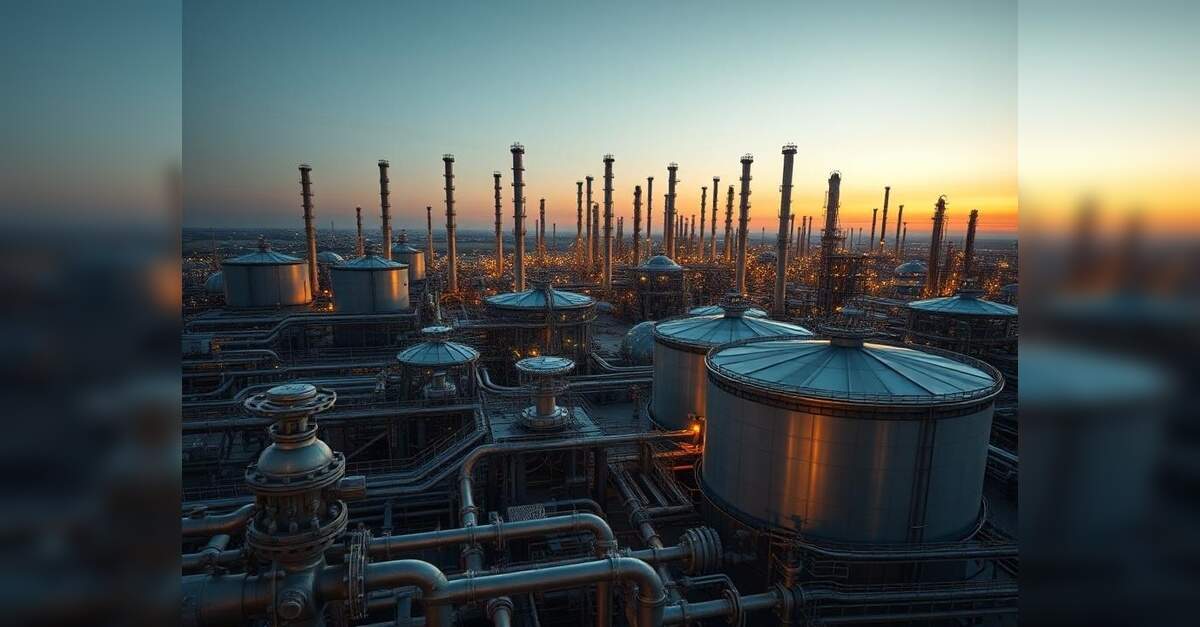
India is positioning itself as a pivotal player in the global energy transition, not merely as a consumer, but as an innovator in creating sustainable energy supply chains. A recent strategic collaboration between VFlowTech, a leading storage solutions provider, and the Foundation for Innovation and Technology Transfer (FITT) at the Indian Institute of Technology Delhi, marks a significant milestone. This partnership aims to establish India’s inaugural circular vanadium ecosystem, transforming refinery waste – specifically petcoke cinder – into high-purity vanadium pentoxide (V₂O₅). This critical material is indispensable for next-generation long-duration batteries, such as Vanadium Redox Flow Batteries (VRFBs), which are vital for grid stability and the widespread deployment of renewable energy. For investors eyeing the intersection of industrial sustainability and high-growth energy tech, this initiative represents a compelling case study in value creation from repurposed waste.
India’s Strategic Pivot: From Waste to Critical Resource
The core of this initiative lies in its ingenious approach: addressing two significant challenges simultaneously. India’s vast refinery infrastructure generates substantial quantities of petcoke cinder, a waste product with significant vanadium content. Traditionally, this has been an environmental and disposal challenge. Now, through advanced research and development capabilities spearheaded by VFlowTech and IIT Delhi, this waste is poised to become a strategic domestic resource. VFlowTech’s recent infusion of USD 20 million in Series A+ funding underscores the market’s confidence in their vision to build a “Made-in-India” vanadium value chain. This move directly supports India’s ambitious target of achieving 500 GW of renewable energy capacity by 2030, by ensuring a secure and sustainable supply of battery-grade vanadium. For investors, this translates to reduced supply chain risks, enhanced energy security, and a compelling narrative of sustainable industrial growth within one of the world’s fastest-growing major economies.
The Expanding Horizon for Vanadium Redox Flow Batteries
The strategic importance of vanadium cannot be overstated in the context of long-duration energy storage. Vanadium Redox Flow Batteries (VRFBs) are gaining traction for their scalability, extended cycle life, and non-flammability, making them ideal for grid-scale applications that conventional lithium-ion batteries may not fully address. Industry estimates paint a robust growth picture for the VRFB manufacturing market, projecting a compound annual growth rate (CAGR) of approximately 20-25 percent between 2025 and 2030. Furthermore, revenue from VRFB manufacturing is anticipated to surpass USD 2 billion by 2030. These figures are not merely projections; they reflect a fundamental shift in how grids are managed and how renewable energy is integrated. Investors frequently inquire about the longevity and scalability of new energy technologies, and VRFBs, supported by initiatives like India’s circular vanadium ecosystem, offer a compelling answer. This diversification beyond traditional energy plays provides an attractive avenue for capital seeking high-growth opportunities in the energy transition.
Navigating Energy Market Volatility with Diversified Investments
While the long-term potential of vanadium and VRFBs is clear, it’s crucial for investors to consider this within the broader energy market context. As of today, Brent Crude trades at $90.38 per barrel, marking a significant downturn of 9.07% within the day’s range of $86.08 to $98.97. Similarly, WTI Crude stands at $82.59, down 9.41%, fluctuating between $78.97 and $90.34. This intraday volatility follows a more pronounced trend, with Brent dropping over 18.5% from $112.78 on March 30th to $91.87 on April 17th. Gasoline prices have also seen a decline, currently at $2.93, down 5.18% for the day. This current market softness, despite broader geopolitical tensions, highlights the unpredictable nature of crude oil prices. Investors often ask about the trajectory of oil prices by the end of 2026, and while forecasting precise figures remains challenging, persistent volatility underscores the strategic imperative to diversify energy portfolios. Investments in critical minerals and advanced storage solutions like vanadium ecosystems offer a hedge against crude price swings and align with the accelerating global push for energy independence and sustainability.
Upcoming Catalysts and Strategic Outlook for Energy Investors
The coming weeks present several key events that will shape the traditional energy market, indirectly influencing the broader investment landscape for new energy technologies. The OPEC+ Joint Ministerial Monitoring Committee (JMMC) meeting on April 18th, followed by the Full Ministerial meeting on April 19th, will be closely watched for any adjustments to production quotas. These decisions significantly impact global crude supply and, consequently, price stability. Furthermore, the API Weekly Crude Inventory reports on April 21st and 28th, alongside the EIA Weekly Petroleum Status Reports on April 22nd and 29th, will provide critical insights into demand dynamics and U.S. inventory levels. Finally, the Baker Hughes Rig Count on April 24th and May 1st will offer a forward-looking indicator of drilling activity and future production capacity. For investors asking about OPEC+ production strategies, these events are paramount. Sustained high, or even volatile, crude prices resulting from OPEC+ actions or demand shifts could accelerate the capital flow into alternative energy solutions, making the development of secure, domestic supply chains for materials like vanadium even more attractive. India’s initiative, by creating a circular economy for a critical battery component, is strategically positioned to capture significant value regardless of crude oil’s short-term gyrations, offering long-term growth anchored in energy transition fundamentals.


