The global oil market is once again demonstrating its intricate dance between geopolitics and supply chain pragmatism, with India at the center of a significant strategic maneuver. Following a crucial waiver from the United States, Indian refiners have rapidly secured approximately 30 million barrels of Russian crude. This substantial procurement, driven by renewed supply challenges from the Middle East, signals a strategic pivot that demands close attention from energy investors. This analysis will delve into the multifaceted implications of this development, from its impact on current market prices and trade flows to its potential influence on future market indicators and investor sentiment.
Geopolitical Shifts Reshaping India’s Energy Strategy
India’s decision to rapidly acquire 30 million barrels of Russian crude marks a critical response to escalating geopolitical tensions and disrupted supply lines. For months, India had been scaling back its Russian oil imports, partly in response to diplomatic pressures, seeking to diversify its energy basket with barrels from Saudi Arabia and Iraq. However, the widening conflict in the Middle East, particularly the effective closure of the Strait of Hormuz due to heightened military actions, swiftly negated those efforts, leaving Indian refiners with an acute supply gap. The recent US waiver, permitting transactions related to Russian crude and petroleum products loaded before March 5th for delivery to Indian firms, provided the necessary green light. This waiver has proven immediately impactful, allowing major players like state-owned Indian Oil Corp. and Reliance Industries Ltd. to snap up all available unsold cargoes of Russian crude from the spot market. This strategic flexibility underscores India’s paramount focus on energy security amidst global instability, a key factor for investors tracking long-term demand trends in Asia.
Market Dynamics, Price Premiums, and Current Snapshot
The immediate market response to this procurement highlights evolving crude pricing dynamics. Historically, Russian oil often traded at a discount to international benchmarks. However, following the US waiver and the scramble for secure supplies, Russian crude grades such as Urals, ESPO, and Varandey are now reportedly commanding premiums of between $2 and $8 per barrel over London’s Dated Brent benchmark. This shift from discount to premium is a significant indicator of the current supply tightness and geopolitical risk premium embedded in certain crude streams. As of today, Brent crude trades at $92.86 per barrel, reflecting a slight dip of 0.41% within a day range of $92.57 to $94.21. Similarly, WTI crude stands at $89.29 per barrel, down 0.42% in a range of $88.76 to $90.71. This minor daily fluctuation contrasts with a more significant trend observed over the past two weeks, where Brent has seen a decline of approximately 7%, dropping from $101.16 on April 1st to $94.09 on April 21st. The ability of Russian crude to fetch premiums even as global benchmarks show some softening suggests a bifurcation in the market, where security of supply, rather than origin, is dictating price for specific buyers like India. Investors should recognize this nuance: while headline prices might trend downwards, specific regional supply disruptions can create localized demand surges and premium pricing for available barrels.
Navigating Volatility: Investor Outlook and Forward Indicators
Our proprietary reader intent data reveals a consistent theme among investors: a keen focus on future price trajectory and specific company performance within this volatile landscape. Questions ranging from the immediate direction of WTI to the long-term price outlook for oil by the end of 2026 reflect a deep concern over market stability and profitability. The Indian procurement, while a short-term solution, adds another layer of complexity to these forecasts. Investors seeking to understand the implications for their portfolios should closely monitor upcoming energy events for critical signals. The EIA Weekly Petroleum Status Reports, scheduled for April 29th and May 6th, will provide vital data on crude inventories and refinery activity, which could reflect the absorption of these Russian barrels. Furthermore, the EIA’s Short-Term Energy Outlook, set for release on May 2nd, will offer a comprehensive forecast that incorporates such significant geopolitical shifts. These reports, alongside the Baker Hughes Rig Count on May 1st, will be crucial in assessing whether the market anticipates prolonged tightness or a rebalancing, thereby informing investment strategies for companies like Repsol, which operate in the broader global refining and distribution network.
Long-Term Implications for Global Trade and Refining Strategies
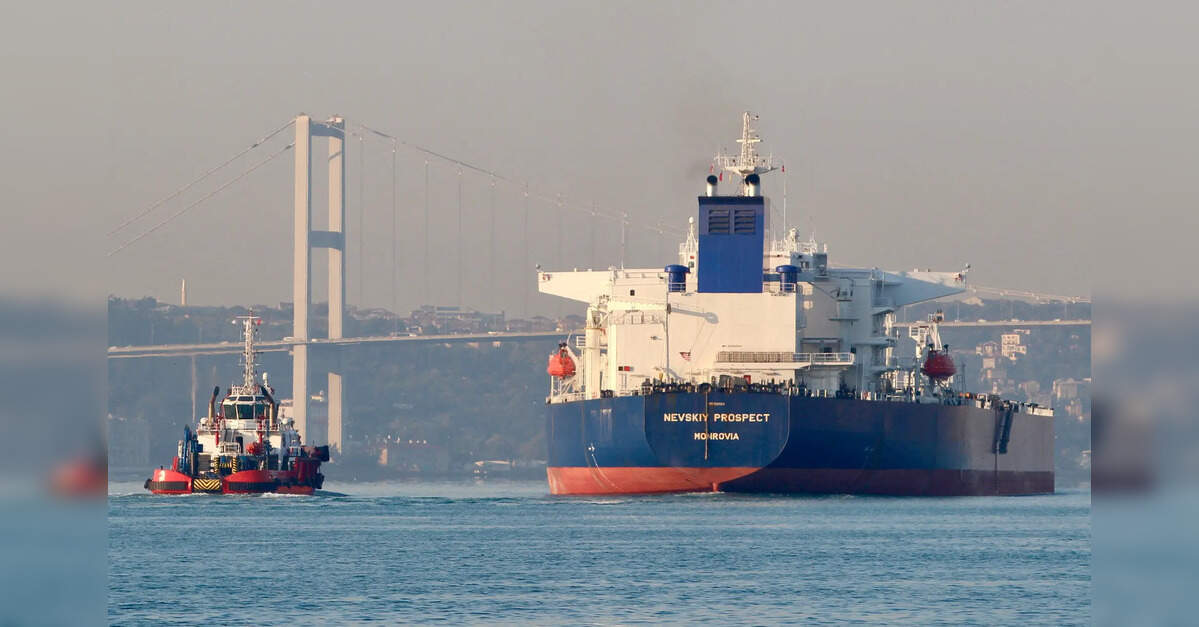
The immediate impact of the US waiver has been a dramatic re-routing of tanker traffic. Vessels like the Maylo and Sarah, carrying Urals from Russia’s western ports, and the Oasis and Noble Walker, laden with ESPO from the Far East, have altered their courses from initial destinations like Singapore and China to head towards India. This rapid diversion highlights the agility of global shipping and the urgent demand from Indian refiners. While India’s purchases of Russian oil peaked at over 2 million barrels per day in mid-2024, they had dropped to an average of 1.06 million barrels per day in February. This latest 30 million barrel procurement represents a significant, albeit temporary, reversal of that trend. For Indian refiners, this move secures crucial feedstock, ensuring operational continuity and potentially bolstering their refining margins, despite the shift to paying premiums. For the broader market, it underscores the persistent influence of geopolitical alignments on trade routes and the resilience required for supply chain management. Investors with stakes in refining assets globally should consider how such strategic flexibility in sourcing crude might become a more common feature of international oil trade, potentially favoring refiners with diverse logistical capabilities and strong government backing.


