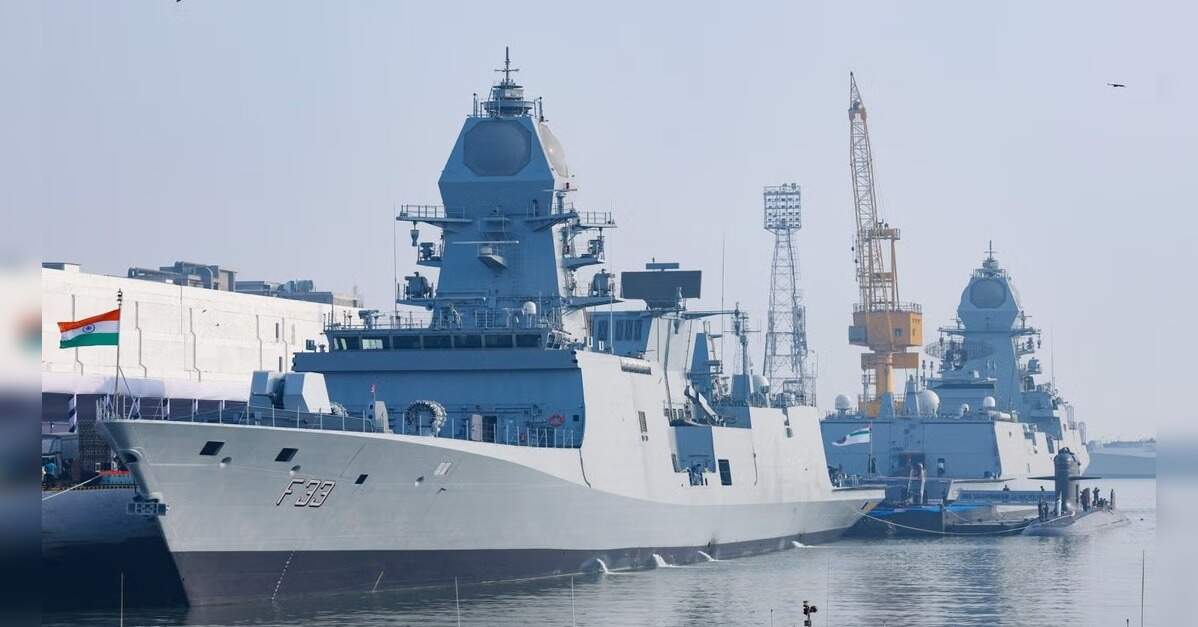
The geopolitical landscape of the Middle East has once again injected a significant dose of uncertainty into global energy markets, with the Strait of Hormuz, a critical chokepoint for global oil and gas flows, at the center of escalating tensions. Recent reports indicate that 37 Indian-flagged ships, carrying over 1,100 seafarers, are currently stranded across the Persian Gulf, the Gulf of Oman, and surrounding waters. This disruption stems directly from intensifying military actions involving the United States, Israel, and Iran, which have effectively closed this vital shipping lane. For investors, this situation is not merely a regional incident but a potent new risk factor demanding immediate attention, threatening to upend supply stability for crude oil, liquefied natural gas (LNG), and refined petroleum products.
Geopolitical Flashpoint and Immediate Market Reaction
The Strait of Hormuz is arguably the world’s most strategically important maritime chokepoint, through which a substantial portion of global seaborne oil passes daily. The current closure due to ongoing military conflict, including missile and drone activity, has immediately heightened concerns about supply disruptions. As of today, Brent crude futures are trading at $94.09, marking a +0.91% increase on the day, within a range of $93.52 to $94.21. Similarly, WTI crude stands at $90.59, up +1.03% with a daily range of $89.71 to $90.70. This immediate upward movement reflects the market’s knee-jerk reaction to the Hormuz disruption, indicating that a new geopolitical risk premium is rapidly being priced in.
It’s crucial to contextualize this against recent trends. Over the past two weeks, Brent crude had seen a notable decline, dropping from $101.16 on April 1st to its current level, representing a 7% decrease. This downtrend was primarily driven by evolving demand outlooks and a perception of easing supply constraints. However, the sudden and effective closure of the Strait of Hormuz has abruptly reversed this sentiment. The market is now grappling with the tangible threat of disrupted flows, impacting both crude oil and LNG shipments destined for major importing nations like India, which are heavily reliant on Gulf supplies. The focus shifts from demand concerns to immediate supply vulnerability, potentially pushing prices higher in the near term.
Supply Chain Vulnerability and Freight Dynamics
The stranding of 37 Indian-flagged vessels, many of which were either en route to deliver crude oil and LNG to Indian ports or to collect petroleum products from Gulf nations, underscores the immediate impact on global energy supply chains. India, a significant energy consumer, faces direct implications for its energy security. The Directorate General of Shipping, along with the Shipping Ministry, is actively monitoring the situation and coordinating with various authorities to manage the crisis and ensure the safety of the 1,109 seafarers. However, the operational reality is that the closure necessitates costly and time-consuming rerouting options, if viable at all, or significant delays. This will inevitably lead to increased freight rates for tanker and LNG carriers, impacting profit margins for shipping companies and ultimately adding to the landed cost of energy commodities for importers.
Beyond India, the broader implications for global shipping are substantial. Any prolonged disruption to the Strait of Hormuz would force vessels to take significantly longer routes around the Arabian Peninsula, increasing fuel consumption, insurance premiums, and transit times. This ripple effect could strain global vessel availability and elevate costs across the entire maritime logistics sector. Investors with exposure to energy shipping companies or those involved in commodity trading should closely monitor these evolving freight dynamics, as they present both risks of increased operational costs and potential opportunities for those carriers able to adapt to new routes or command higher premiums.
Addressing Investor Concerns and Future Price Trajectories
The current geopolitical volatility in the Gulf directly addresses the core questions on many investors’ minds: “Is WTI going up or down?” and “What do you predict the price of oil per barrel will be by the end of 2026?” The closure of the Strait of Hormuz introduces an undeniable upward pressure on crude oil prices, reinforcing the geopolitical premium that markets often price in during times of instability. While predicting a precise future price by year-end 2026 remains challenging given the multitude of variables, this event significantly biases the risk towards higher prices in the near to medium term.
Investors must recognize that such events create immense volatility, making short-term directional bets extremely risky. The market is now less concerned with macroeconomic nuances and more focused on immediate supply risks. The sustained conflict, coupled with the threat of further disruptions to critical infrastructure in the region, including oil and natural gas production facilities in neighboring Gulf states, could easily push prices well beyond current levels. This situation underscores the importance of a diversified portfolio and a clear understanding of risk exposure in energy-related assets. Companies with strong balance sheets, diversified supply sources, or those benefiting from higher freight rates might weather this storm better, while those heavily reliant on uninterrupted Gulf transit could face significant headwinds.
Navigating Upcoming Energy Events Amidst Heightened Risk
In this volatile environment, upcoming energy data releases will be scrutinized even more closely for signs of market impact and potential policy responses. Investors should pay particular attention to the EIA Weekly Petroleum Status Reports scheduled for Wednesday, April 22nd, Wednesday, April 29th, and Wednesday, May 6th. These reports will provide crucial insights into U.S. crude oil and product inventories, refinery utilization, and demand, which could offer some indication of how global markets are reacting to potential supply tightness.
Similarly, the API Weekly Crude Inventory reports on Tuesday, April 28th, and Tuesday, May 5th, will serve as early indicators. Any unexpected drawdowns in crude or product stocks could signal market tightening in response to the Gulf situation. Furthermore, the EIA Short-Term Energy Outlook (STEO), due out on Saturday, May 2nd, will be critical. This report will provide updated forecasts for supply, demand, and prices, and its revisions will reflect the agency’s assessment of the geopolitical impact on global energy markets. A significant downgrade in supply projections or an upgrade in price forecasts within the STEO would serve as a powerful signal to the market, further shaping investor expectations for the remainder of 2026 and beyond. Monitoring these events becomes paramount for investors seeking to understand the evolving supply-demand picture against the backdrop of an increasingly precarious geopolitical landscape.


