India’s Strategic Pivot to Offshore Russian Crude: What Investors Need to Know
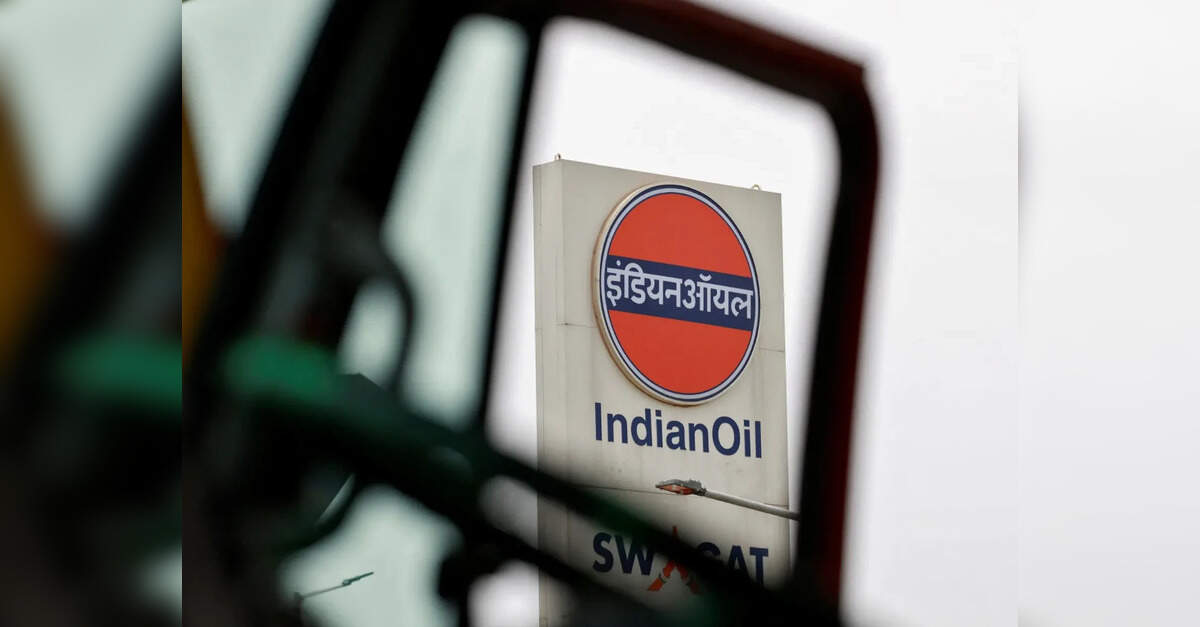
India, a colossal energy consumer, is once again demonstrating its strategic agility in the global oil markets. Facing potential disruptions to Middle Eastern crude supplies due to ongoing regional conflicts, Indian refiners are rapidly drawing on Russian oil already floating near their coastlines. This move underscores India’s acute energy security concerns, given its crude stocks cover only about 25 days of demand. For investors, this shift is more than just a logistical adjustment; it’s a critical indicator of evolving global trade dynamics, geopolitical risk management, and the resilience of demand in key emerging markets. Understanding these rapid pivots is crucial for navigating volatility in the energy sector.
Market Dynamics and India’s Rapid Response to Supply Threats
The urgency of India’s current crude sourcing strategy is underscored by ongoing market fluctuations and geopolitical tensions. As of today, Brent crude trades at $93.04 per barrel, reflecting a slight dip of 0.21% within a day range of $92.57 to $94.21. Similarly, WTI crude stands at $89.43, down 0.27%. This stability, following a more significant decline in Brent from $101.16 on April 1st to $94.09 on April 21st, demonstrates the market’s sensitivity to both perceived supply threats and the actualization of mitigation strategies. Indian refiners, including state-owned Indian Oil Corp, are now expediting purchases of Russian oil from vessels already positioned offshore. For instance, the Suezmax tanker Odune, carrying approximately one million barrels of Russian oil, recently berthed at Paradip port, while the Spring Fortune is scheduled to deliver about 700,000 barrels to Vadinar port. This rapid uptake of an estimated 9.5 million barrels of Russian crude currently floating near Indian waters, with up to 30 million barrels available across the Indian Ocean, Arabian Sea, and Singapore Strait, significantly reduces lead times and provides an immediate buffer against potential Middle Eastern supply tightening. This proactive approach by a major demand center is a key factor influencing short-term crude price stability.
Navigating Geopolitical Crosscurrents and Energy Security
India’s renewed appetite for Russian crude highlights a complex geopolitical balancing act. Historically, India became the top buyer of Russian seaborne crude post-2022, only to reduce purchases in January to avoid potential 25% tariffs from Washington and facilitate an interim trade deal. The current pivot back to Russian volumes demonstrates the primacy of energy security for New Delhi, especially when traditional supply lines appear vulnerable. This strategic flexibility is a critical consideration for investors tracking global energy flows. The readily available Russian crude, often priced attractively, provides a pragmatic solution for India’s refiners. The alternative, as noted by industry analysts, is that these floating volumes, if not taken by India, could quickly divert to other major buyers like China, further re-shaping global crude trade routes and potentially impacting regional pricing differentials. This dynamic interplay between geopolitical pressures, national energy needs, and global supply chains demands close attention from those invested in the oil and gas sector.
Forward Outlook and Addressing Investor Concerns
Many of our readers are keenly focused on the future trajectory of oil prices, asking questions like “is WTI going up or down?” and “what do you predict the price of oil per barrel will be by end of 2026?” India’s recent actions, coupled with upcoming market data releases, will be instrumental in shaping these outcomes. Looking ahead, the next few weeks are packed with critical data points that will provide further clarity. Investors should closely monitor the EIA Weekly Petroleum Status Reports on April 22nd, April 29th, and May 6th, which will offer fresh insights into U.S. crude inventories, refinery utilization, and demand indicators. The Baker Hughes Rig Count on April 24th and May 1st will shed light on North American production trends, while the API Weekly Crude Inventory reports on April 28th and May 5th provide early signals on stock levels. Crucially, the EIA Short-Term Energy Outlook (STEO) on May 2nd will offer a more comprehensive forecast for global supply and demand, directly addressing long-term price predictions. India’s ability to seamlessly integrate diverse crude sources, as demonstrated by its current pivot, will influence global demand projections and contribute to the overall supply-demand balance. Therefore, while immediate geopolitical events drive short-term price movements, these regular reports provide the fundamental data necessary to form a robust outlook on WTI’s direction and the potential price of oil per barrel by the end of 2026.


