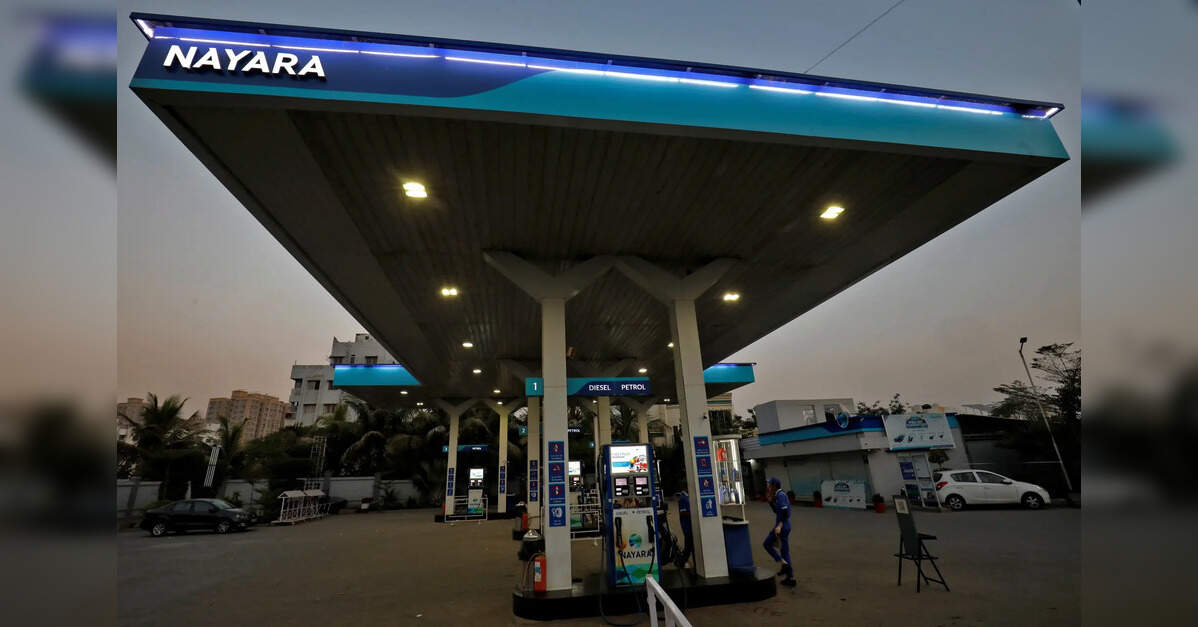
The intricate web of global energy markets and geopolitical maneuvering has once again spotlighted the vulnerabilities within the supply chain, particularly for entities navigating the complexities of international sanctions. The recent revelation that Nayara Energy, a significant private refiner with Russian backing, is actively seeking India’s governmental assistance to secure vessels for its refined product movements underscores a critical challenge for the refining sector. This development arrives amidst a volatile crude market, presenting unique operational hurdles and strategic considerations for investors tracking global oil and gas dynamics. The ongoing situation with Nayara, facing shipper contract terminations and critical service suspensions post-EU sanctions, highlights the increasing costs and risks associated with maintaining operations under geopolitical pressure.
Sanctions’ Grip: Nayara’s Operational Headwinds and Market Implications
Nayara Energy’s struggle to secure adequate shipping capacity for its refined fuels, both for domestic distribution and potential exports, is a direct consequence of escalating international sanctions. Following European Union sanctions last month, the refiner has encountered significant operational disruptions, including shippers terminating contracts and even a temporary suspension of critical digital services. This ripple effect extends beyond mere logistics, impacting Nayara’s crude runs and, by extension, the broader supply of refined products. The primary hurdle cited by vessel owners is the difficulty in obtaining crucial insurance coverage for voyages linked to Nayara, reflecting the heightened risk aversion within the maritime industry when dealing with sanctioned entities. This situation provides a stark reminder to investors that geopolitical risks can quickly translate into tangible operational and financial challenges for even well-established energy companies. In this environment, refining margins, while historically volatile, face additional pressure from increased transportation costs and reduced operational flexibility. As of today, Brent crude trades at $90.38 per barrel, reflecting a significant 9.07% decline, while WTI crude sits at $82.59, down 9.41%. Gasoline prices have also seen a notable dip, trading at $2.93, a 5.18% decrease. Such sharp daily movements, following a broader 14-day trend where Brent has fallen from $112.78 to $91.87, underscore the fragility of market sentiment. Operational disruptions for a major refiner like Nayara only exacerbate supply concerns and contribute to this underlying market anxiety, potentially impacting refined product prices and availability in key regions.
India’s Strategic Pivot: Domestic Vessels and Energy Sovereignty
In response to Nayara’s predicament, the Indian government has initiated high-level discussions, involving the ministries of shipping, oil, and foreign affairs, to explore options for arranging India-flagged vessels from local companies. This proactive stance by New Delhi is more than just a gesture of support; it’s a strategic move aimed at bolstering India’s energy security and asserting its logistical independence in a fragmented global landscape. By seeking to leverage its domestic shipping fleet, India aims to mitigate the impact of external sanctions on its energy supply chain and ensure the uninterrupted flow of refined products. This move signals a broader trend among major energy consumers to de-risk their supply routes from geopolitical interference, potentially creating new opportunities for domestic maritime players. For investors, this scenario highlights the increasing importance of national energy policies and the potential for government intervention to shape market dynamics. While securing Indian-flagged vessels may offer a workaround for Nayara, the underlying insurance challenges remain complex, potentially requiring innovative solutions or direct governmental guarantees. The success of this initiative could set a precedent for how non-aligned nations navigate the intricate balance between international sanctions and their own energy sovereignty, a factor that could influence long-term investment strategies in the refining and shipping sectors globally. Investors are keenly watching such developments, as they directly impact the resilience and profitability of energy assets in a world increasingly shaped by geopolitical divisions.
Market Volatility and Upcoming Catalysts for Crude Prices
The current market environment is characterized by significant volatility, as evidenced by today’s steep decline in crude benchmarks. Brent crude, trading at $90.38, has experienced a sharp 9.07% drop, with WTI crude following suit at $82.59, down 9.41%. This daily downturn is part of a broader trend; over the past two weeks, Brent has shed nearly 18.5%, falling from $112.78 to $91.87. This pronounced correction, alongside a 5.18% dip in gasoline prices to $2.93, signals a combination of profit-taking, renewed demand concerns, and anticipation surrounding upcoming supply-side decisions. For oil and gas investors, navigating this landscape requires a keen eye on immediate catalysts. The coming days are packed with events that could significantly influence market direction. This weekend, specifically on April 18th and 19th, attention will be squarely on the OPEC+ meetings, beginning with the Joint Ministerial Monitoring Committee (JMMC) and culminating in the Full Ministerial meeting. These gatherings are crucial as investors seek clarity on future production quotas and the group’s response to current price movements and global demand forecasts. Any indication of changes to current output levels, or a reaffirmation of existing policies, will send immediate signals through the market. Furthermore, critical insights into U.S. supply and demand fundamentals will arrive with the API Weekly Crude Inventory report on April 21st, followed by the more comprehensive EIA Weekly Petroleum Status Report on April 22nd. These reports provide vital data on crude and product stockpiles, offering a snapshot of market tightness or surplus. The Baker Hughes Rig Count, scheduled for April 24th, will offer an update on drilling activity, signaling future supply potential. These forward-looking events, combined with ongoing geopolitical developments like the Nayara situation, create a complex but dynamic environment for strategic investment decisions in the energy sector.
Investor Outlook: Navigating Geopolitical Headwinds and Supply Chain Resilience
Investors are currently grappling with significant uncertainties, asking critical questions about the trajectory of crude prices and the resilience of global supply chains. The challenges faced by Nayara Energy serve as a powerful case study in the broader landscape of geopolitical risk affecting the oil and gas sector. The shift towards greater national energy sovereignty, as exemplified by India’s response, suggests a future where logistical networks may become more fragmented and regionalized. This could lead to increased costs for global operators and potentially higher, more volatile prices for consumers. For investors, understanding the interplay between sanctions, shipping logistics, and government intervention is paramount. Companies with diversified supply chains, robust risk management strategies, and strong relationships with sovereign entities may be better positioned to weather these storms. The long-term outlook for crude prices, a frequent query from our readers, will largely hinge on the delicate balance between OPEC+’s supply management, global economic growth influencing demand, and the persistent geopolitical tensions that can disrupt flows at any moment. The ability of refiners to adapt to these new logistical paradigms, whether through domestic solutions or innovative insurance models, will be a key determinant of their profitability and stability. As we move through April 2026, the market will continue to digest not only the immediate impacts of inventory reports and OPEC+ decisions but also the evolving strategic responses to challenges like those faced by Nayara, ultimately shaping the investment landscape for the remainder of the year and beyond.


