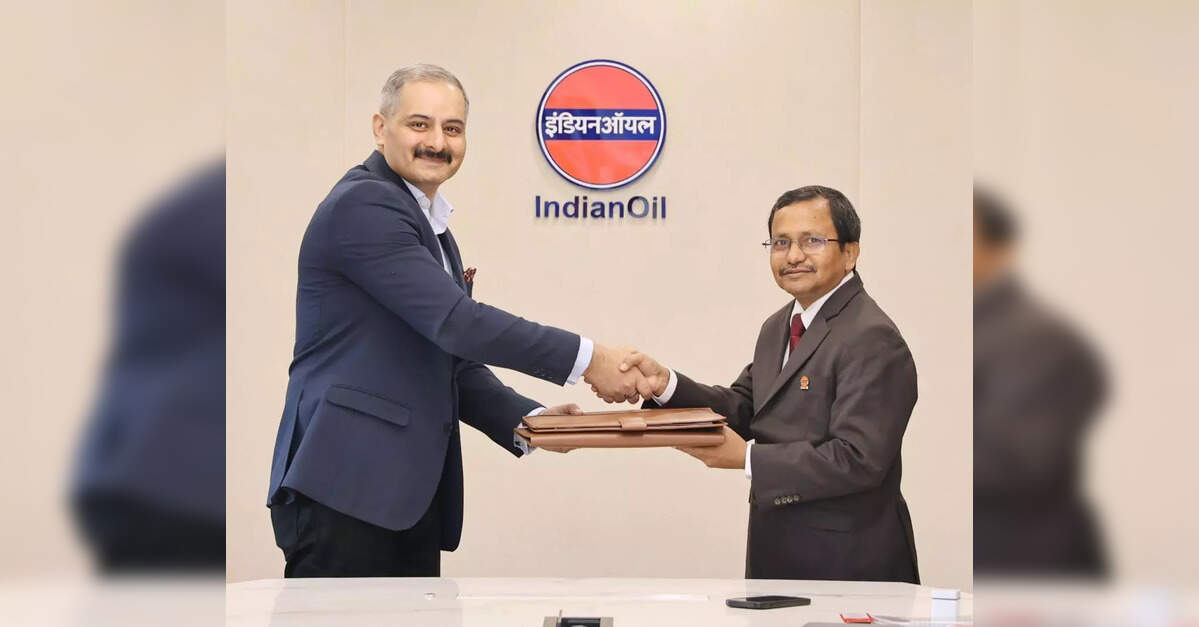
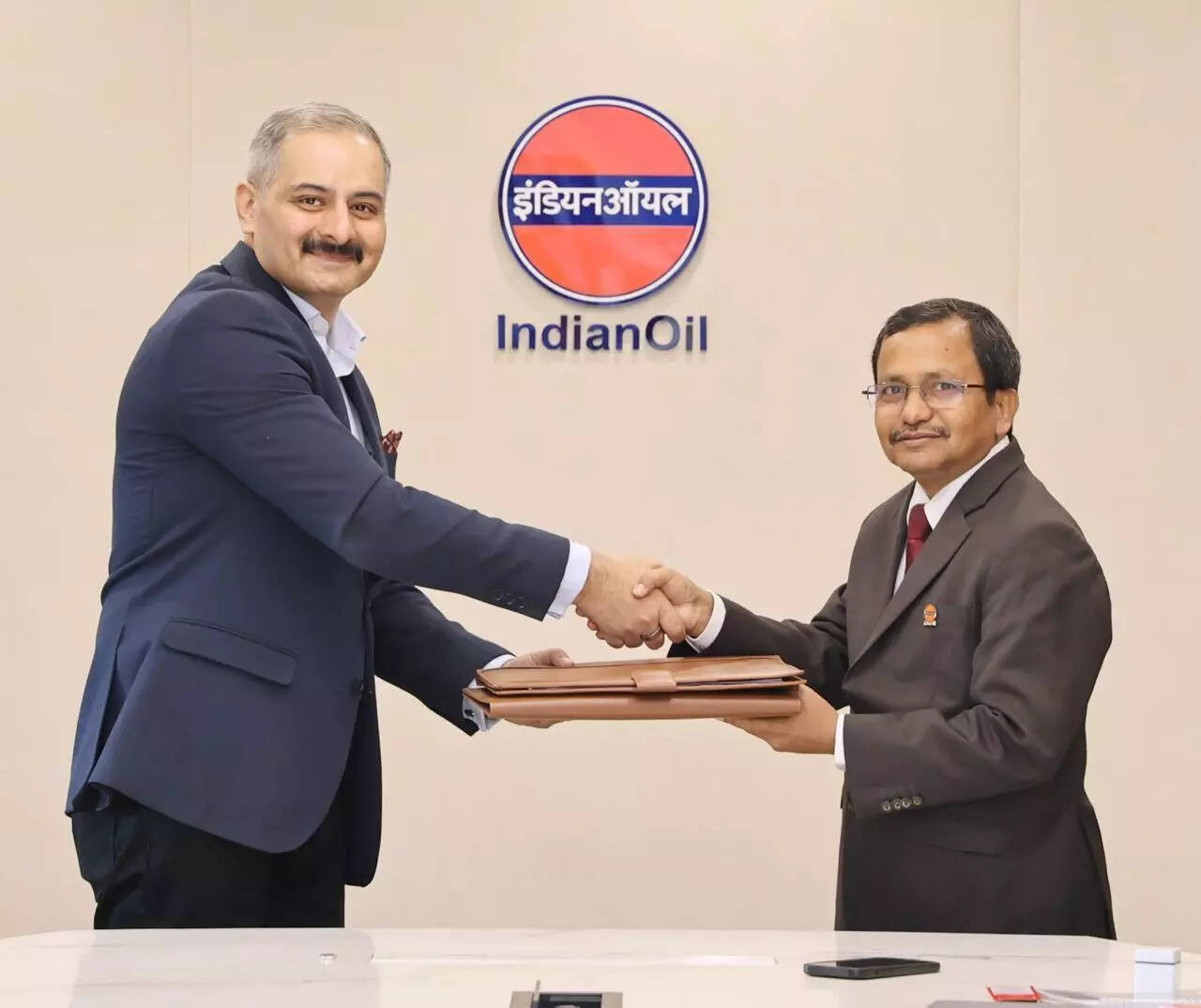
Re Sustainability on Friday said it has signed a Memorandum of Understanding (MoU) with Indian Oil Corporation Ltd to develop a nationwide ecosystem for collection and recycling of used lubricating oil, aimed at building a circular economy framework for the lubricants sector in India.
The collaboration will focus on setting up a structured national platform for recovery, reverse logistics and re-refining of used oil, with the objective of reducing dependence on virgin crude-derived base oils and improving resource efficiency across the energy and industrial value chain.
Under the agreement, the partners plan to establish a Special Purpose Vehicle (SPV) to create a nationwide collection and aggregation network for used lubricants from industrial and automotive sectors, along with development of re-refining infrastructure to produce Re-Refined Base Oil (RRBO), including Group I and Group II+ base oils.
“This collaboration reflects our commitment to building sustainable value chains that enable responsible recovery, reuse, and circular utilisation of lubricants,” said Bankim Patra, Country Head (Lubes), Indian Oil Corporation Ltd.
Recovered oil will be processed and reintroduced into lubricant manufacturing, helping reduce crude-based inputs while strengthening material efficiency in the sector.
The initiative targets annual collection of about 100 kilotonnes of used lubricating oil through a nationwide aggregation and logistics network. The partners also plan to set up a re-refining facility with a processing capacity of 50–100 KTA, expected to be commissioned within three years, to produce Group-II RRBO meeting BIS and international standards.
“By building an integrated ecosystem for used lubricant recovery and re-refining, we are enabling the transition from waste management to resource recovery while strengthening India’s environmental infrastructure and circular economy,” said Masood Mallick, Managing Director & Group CEO, Re Sustainability Ltd.
The project will also include recycling of plastic lubricant containers in line with Extended Producer Responsibility norms, supporting compliance with environmental regulations.