‘No Lack of Cooking Gas; Shift to PNG if Possible’
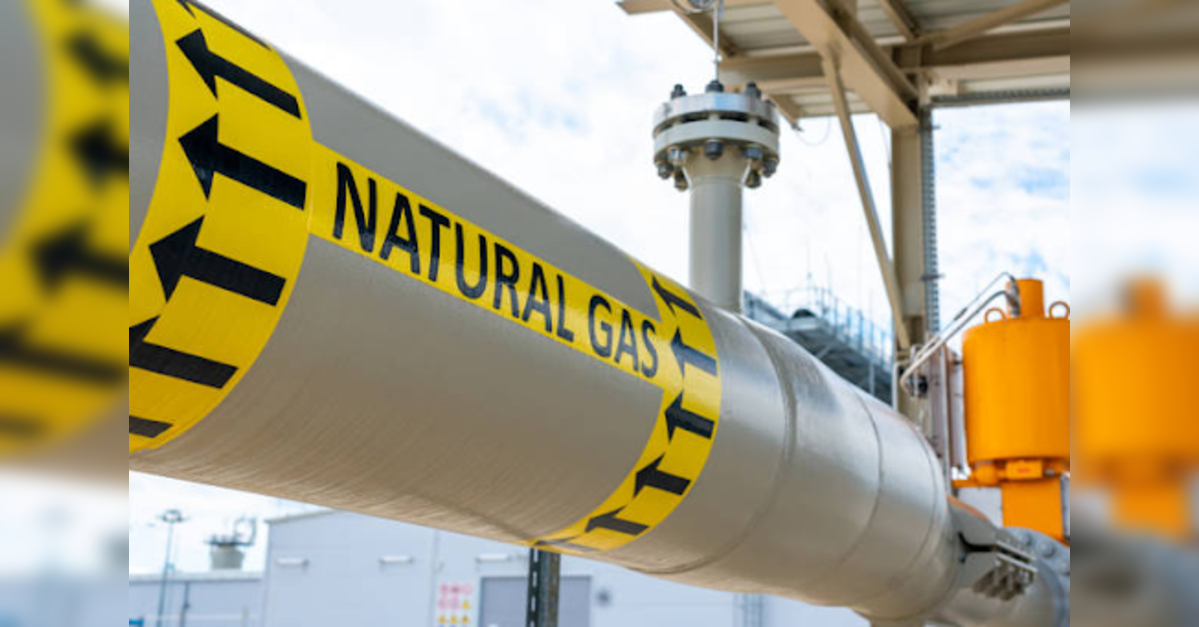
New Delhi: The government assured the public that there’s no shortage of cooking fuel for Indian homes but urged a switch to piped natural gas (PNG) wherever possible from liquefied petroleum gas (LPG), amid a supply crunch due to the two-week-old Gulf war, with Iran vowing to keep the Strait of Hormuz closed.
An estimated 6 million families can easily switch as PNG facilities are available in their neighbourhoods, Sujata Sharma, a joint secretary in the petroleum ministry, said at a press briefing on Friday.
The government is encouraging city gas companies to facilitate the shift, she said.
“Our refineries are running at 100 per cent capacity or more and have adequate inventory,” Sharma said, urging people to avoid hoarding LPG.
Supply of LPG cylinders is an “issue of concern” but customers shouldn’t panic, Sharma said. “Domestic production of LPG has increased by 30 per cent today.”
The government said daily average cylinder bookings have increased from 5.5 million to over 7.5 million in the past week or so, explaining delays in gas cylinder booking.
This follows the rationing of supplies, although home use has been prioritised.
Restaurants across the country have meanwhile reworked menus and some have said they will be forced to close if they can’t get LPG cylinders.
Tracking Indian Vessels in Gulf
Meanwhile, induction cooktops and other devices that use electricity are said to be sold out as kitchens seek to adapt, with some cooks eyeing a shift to firewood where possible.
India has about 16 million domestic PNG customers. Although the country is also facing a shortage of natural gas due to the Iran war, PNG-connected households have been kept fully supplied. India produces about half the natural gas it consumes and household consumption accounts for only a small fraction of national output. Before the war, India imported 60 per cent of its LPG consumption, and about 90 per cent of that came from the Gulf. On the maritime front, the government said it is monitoring the safety of over 23,000 Indian seafarers in the Gulf region. Rajesh Kumar Sinha, special secretary at the ministry of ports, shipping, and waterways, confirmed that authorities are tracking Indian-flagged vessels in the region.
“Active monitoring of all Indian vessels and seafarers is taking place to ensure their safety and security,” Sinha said. While over 200 sailors have returned, he confirmed the loss of three Indian seafarers in recent maritime incidents. Providing a specific update on vessel movements, Sinha noted that Indian-flagged oil tanker Jag Prakash had safely moved out of the Gulf of Oman and was located east of the Strait of Hormuz.”
“It doesn’t have to cross the Hormuz,” he clarified. “It is not coming to India, it is going to an African country carrying gasoline (petrol).” He added that three Indian-flagged vessels currently remain in the Gulf of Oman. Another 20 Indian-flagged vessels are stranded west of the Strait of Hormuz.
Diplomatic and repatriation efforts remain in high gear.
External affairs additional secretary Randhir Jaiswal highlighted recent high-level talks, noting that India’s stance is that “people should move forward taking the path of dialogue and diplomacy” to resolve the conflict.
Aseem Mahajan, external affairs additional secretary, Gulf, provided an update on evacuations.
“Since February 28, around 150,000 Indian nationals have returned to India,” he said. He confirmed the deaths of two Indian nationals in an attack in Sohar, Oman, that left several others injured.