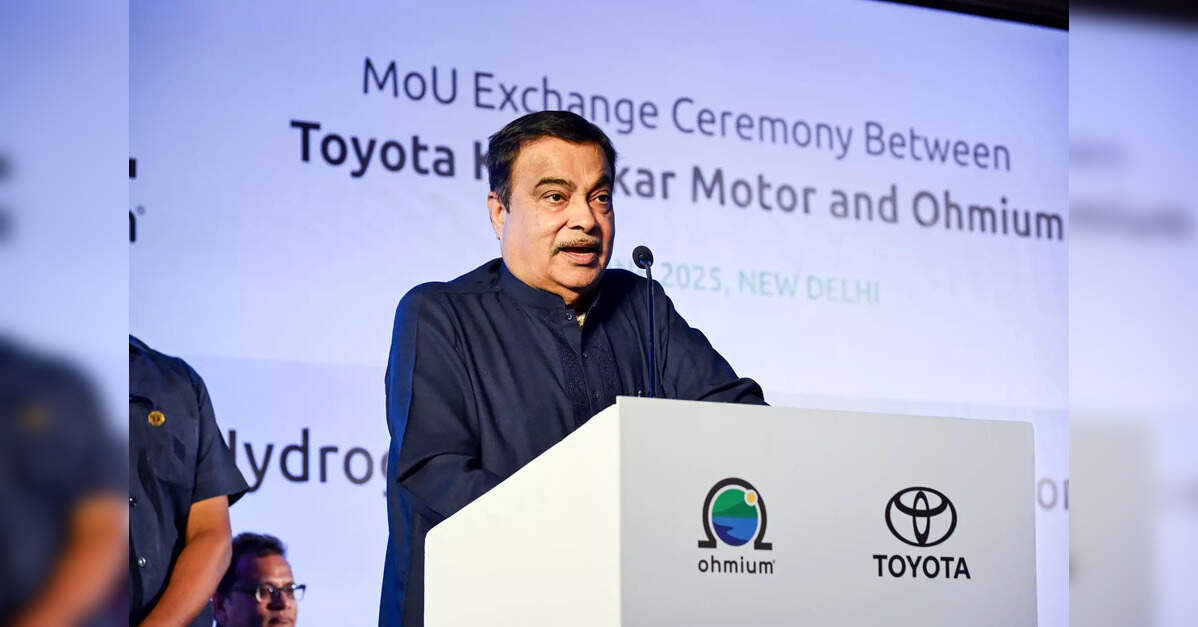
India’s audacious declaration to transform from a net energy importer to an exporter within the next six to seven years presents a paradigm shift for global energy markets and a critical inflection point for investors. This ambitious target, articulated by a senior government minister, underscores a profound commitment to energy independence, decarbonization, and economic efficiency. For oil and gas investors, this isn’t merely a headline; it’s a signal to re-evaluate long-term demand models, scrutinize investment portfolios, and identify emerging opportunities in the rapidly evolving energy landscape. The strategic pivot towards alternative fuels and enhanced logistics efficiency points to a future where India’s energy footprint could significantly alter global supply-demand dynamics, demanding close attention from market participants.
The Vision: Decarbonization and Economic Efficiency as Drivers
At the core of India’s bold energy vision is a dual mandate: achieve greater energy security while simultaneously enhancing economic competitiveness. The government’s strategy hinges on widespread adoption of alternative fuels, including hydrogen, ethanol, biodiesel, and electric vehicles. This comprehensive approach is designed not only to diversify the energy mix but also to tackle persistent challenges like air pollution. A key economic driver behind this transition is the stated goal of dramatically reducing logistics costs. Currently, India’s logistics expenses stand at around 16% of GDP, a figure significantly higher than China’s 8% and the US/European average of 12%. The government aims to bring this down to a single-digit 9% by the end of the current year, a reduction that would unlock substantial economic benefits and make alternative fuels more economically viable. This strategic focus indicates a clear path for capital deployment into sectors supporting green infrastructure, biofuel production, and advanced transportation solutions.
Navigating Current Market Realities: Volatility and Shifting Demand
India’s long-term energy transformation plan unfolds against a backdrop of ongoing volatility in global commodity markets. As of today, Brent crude trades at $95.58 per barrel, marking a modest daily gain of 0.83% but reflecting a broader trend. Over the past 14 days, Brent has seen a notable decline from $102.22 to $93.22, a drop of approximately 8.8%, indicating persistent market uncertainties. WTI crude also shows a daily increase of 0.73% to $91.95, while gasoline prices are up 1.35% to $3.01. This fluctuating price environment poses both challenges and opportunities. While lower crude prices could temporarily dampen the urgency for alternative fuel adoption due to reduced cost pressures, sustained high prices historically accelerate the transition by making renewables more competitive. Investors are actively seeking a base-case Brent price forecast for the next quarter, and India’s potential shift away from significant crude imports by 2030 will become an increasingly important variable in these long-term models. The consensus 2026 Brent forecast, currently a frequent query among our readers, will need to factor in the foundational policy changes now being articulated by major energy consumers like India.
Strategic Imperatives and Upcoming Market Catalysts
The journey towards energy self-sufficiency will be complex, requiring massive investment in infrastructure, research, and development. The emphasis on hydrogen as a “fuel of the future” signals significant opportunities for electrolyzer manufacturers, renewable energy developers, and hydrogen transportation specialists. Similarly, the expansion of ethanol and biodiesel programs will drive demand for agricultural feedstocks and refining technologies. While India’s internal policy sets the trajectory, external market dynamics will continue to influence the pace and profitability of this transition. Upcoming events on the global energy calendar warrant close observation. The OPEC+ Joint Ministerial Monitoring Committee (JMMC) meeting on April 18th, followed by the Full Ministerial Meeting on April 20th, could impact global crude supply decisions. Any shifts in production quotas will directly affect the crude price environment in which India’s alternative fuel initiatives mature. Furthermore, the weekly API and EIA crude inventory reports, scheduled for April 21st, 22nd, 28th, and 29th, will provide crucial insights into short-term supply and demand balances. A sustained period of lower crude prices, potentially influenced by OPEC+ decisions or increasing global inventories, could create a more favorable environment for India to accelerate its shift away from fossil fuel imports, making its export ambitions more attainable.
Investment Horizons: Opportunities and Risks for Oil & Gas Portfolios
For investors focused on the oil and gas sector, India’s long-term energy strategy necessitates a re-evaluation of exposure and potential growth avenues. Traditional upstream and downstream players that have historically benefited from India’s burgeoning demand for hydrocarbons must now consider the implications of a significantly reduced import dependency by 2030. This scenario introduces a long-term demand risk that cannot be ignored. Conversely, the transition opens up a multitude of green investment opportunities. Companies specializing in renewable energy generation, green hydrogen production, advanced battery technologies for electric vehicles, and sustainable aviation fuels are poised for substantial growth. Furthermore, the drive to reduce logistics costs will spur innovation and investment in efficient transportation networks and smart infrastructure. Our reader intent data indicates a keen interest in understanding how such geopolitical and economic shifts will influence the long-term viability of current investments. India’s stated goal of becoming an energy exporter implies not just self-sufficiency but potentially a future role in supplying green fuels to neighboring markets, creating new export corridors and investment opportunities in energy infrastructure. Savvy investors will be analyzing companies with strong R&D in these emerging fields and those with established operational footprints that can pivot towards the new energy economy.


