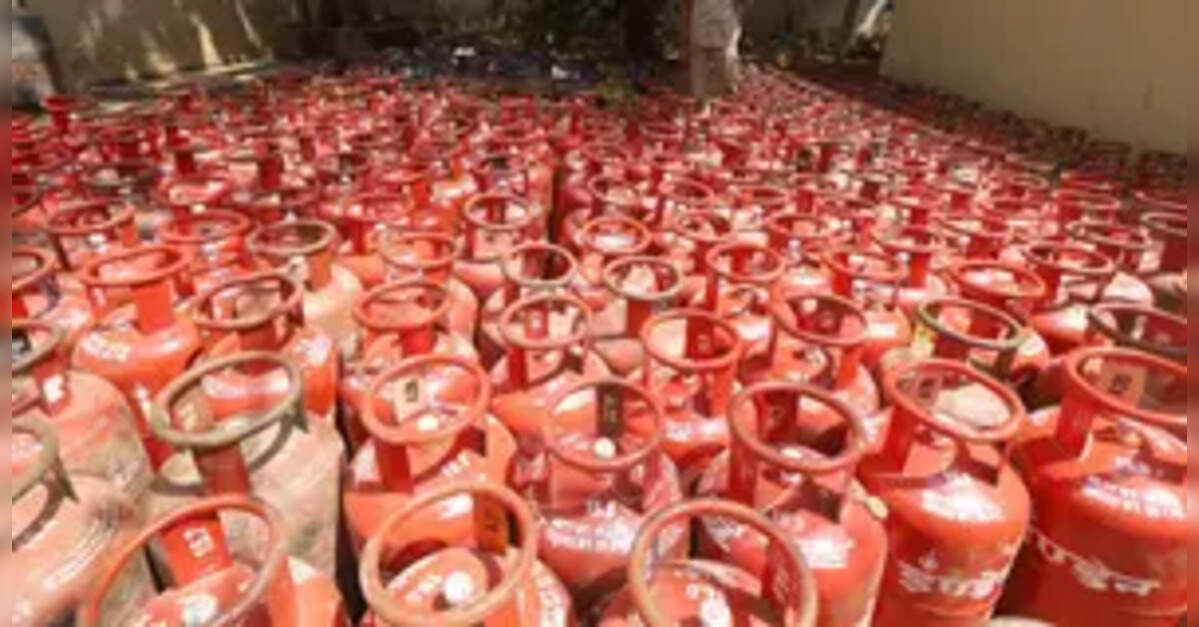
Indian OMCs Implement Further Commercial LPG Price Cut, Signaling Sector Shifts
India’s prominent Oil Marketing Companies (OMCs) have once again adjusted the landscape for commercial liquid petroleum gas (LPG) consumers, announcing a notable price reduction of Rs 33.50 for 19 kg cylinders, effective August 1. This latest revision positions the retail price of a 19 kg commercial LPG cylinder in Delhi at Rs 1,631.50. While this move provides significant relief to a crucial segment of the Indian economy, investors should note that prices for 14.2 kg domestic LPG cylinders remain unchanged, adhering to a trend of stability for household consumers amidst frequent commercial rate adjustments.
This price cut marks the latest in a series of downward revisions observed over recent months, reflecting dynamic shifts in global energy markets and domestic fuel economics. The trend of decreasing commercial LPG costs began earlier in the year, with a substantial Rs 58.50 reduction implemented on July 1, bringing the price down to Rs 1,665 per cylinder. Prior to that, OMCs had reduced prices by Rs 24 in June and Rs 41 in April. A minor reduction of Rs 7 was also observed in February. March stood as an outlier, witnessing a marginal hike of Rs 6. These consistent reductions underline a strategic approach by OMCs to align commercial fuel costs with underlying market realities, offering a tangible benefit to businesses that are integral to India’s service sector.
Crude Oil Basket Plunge Fuels OMC Profitability Outlook
A significant driver behind these favorable price adjustments for commercial LPG is the substantial decline in the average price of India’s crude oil basket. In May 2025, the crude oil basket registered its lowest point in three years, settling at an average of $64.5 per barrel. This downturn in input costs is poised to deliver a substantial boost to the financial health of OMCs. Industry projections indicate that this lower crude price environment will slash LPG-related losses for Oil Marketing Companies by approximately 45% in the upcoming fiscal year. Such a dramatic improvement in profitability metrics presents an attractive prospect for investors monitoring India’s downstream oil and gas sector.
The intricate link between global crude oil rates and India’s domestic fuel economics is particularly evident in the pricing mechanism for domestic gas, which is directly tied to 10% of the crude oil basket. While commercial rates exhibit more volatility, the stable domestic LPG prices ensure that household budgets are insulated from these fluctuations. However, the overarching trend of lower crude prices globally ultimately reduces the cost burden for OMCs across their entire LPG portfolio, enhancing operational margins and overall financial performance. This dynamic highlights the importance of monitoring international crude markets for anyone investing in Indian energy stocks.
Economic Relief for Small Businesses and Sector Growth
The immediate beneficiaries of the recent commercial LPG price reductions are India’s vast network of small businesses. Enterprises such as restaurants, hotels, and a multitude of street food vendors heavily rely on commercial LPG for their daily operations. These businesses often operate on tight margins, making fuel costs a critical component of their expenditure. The cumulative effect of these price cuts alleviates a significant financial burden, potentially freeing up capital for reinvestment, expansion, or improved profitability. This economic relief can stimulate growth within the hospitality and food service sectors, contributing positively to broader economic activity.
From a consumption perspective, domestic usage constitutes nearly 90% of India’s total LPG consumption, underscoring the massive scale of household energy demand. The remaining 10% fuels the commercial, industrial, and automotive sectors. Despite the smaller proportion, the commercial segment’s efficiency directly impacts a wide array of economic activities and employment. Moreover, India has demonstrated remarkable progress in household LPG adoption over the past decade, with connections more than doubling to reach nearly 33 crore households as of April 2025. This exponential growth in the consumer base reflects successful policy initiatives and an expanding market, guaranteeing a robust underlying demand for LPG in the long term.
Investor Outlook: Navigating India’s Evolving Energy Landscape
For investors focused on the Indian oil and gas sector, the latest commercial LPG price cut, coupled with the favorable crude oil environment, paints a nuanced but largely positive picture. The anticipated 45% reduction in LPG-related losses for OMCs signals stronger balance sheets and potentially enhanced shareholder returns. While the stability of domestic LPG prices suggests a degree of government intervention to protect consumers, the commercial segment’s alignment with falling input costs allows OMCs to capitalize on lower crude prices. The sustained growth in household LPG adoption also presents a compelling long-term demand story, reinforcing the foundational strength of the LPG market in India.
As of August 1, 2025, the Indian energy market continues to evolve, presenting both opportunities and challenges. The proactive stance of OMCs in adjusting commercial fuel prices, driven by global commodity trends, underscores the sector’s responsiveness. Investors should closely monitor crude oil price movements, government energy policies, and the operational efficiencies of leading OMCs to fully grasp the potential for growth and profitability in this dynamic and expanding market. The current environment suggests a period of potential upside for well-positioned entities within India’s downstream energy value chain.


