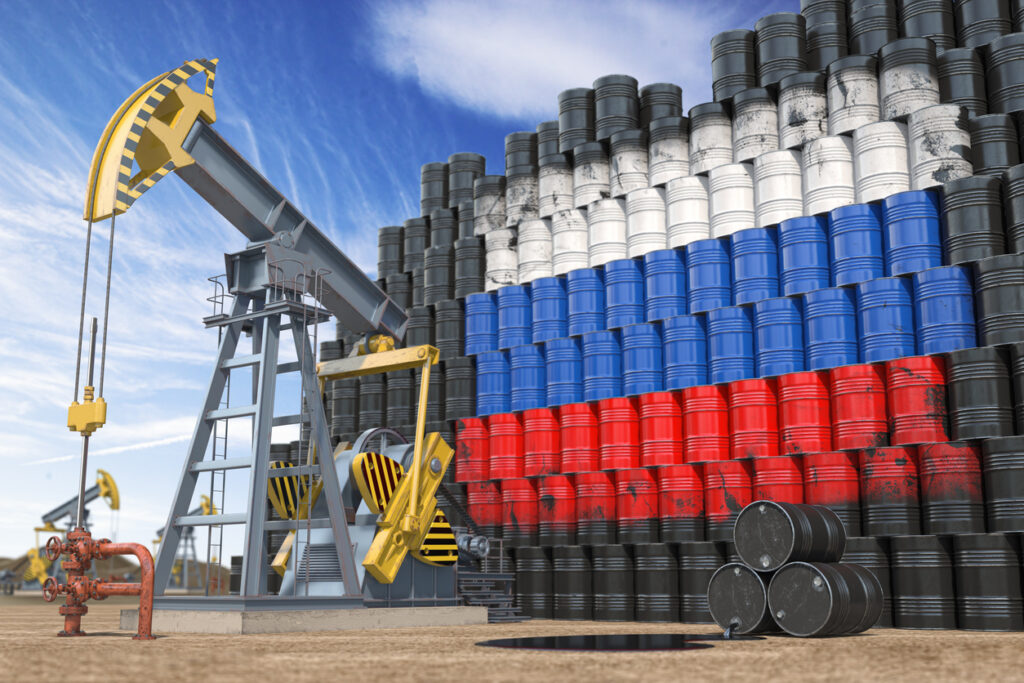
The global oil market is experiencing a significant realignment, underscored by India’s recent strategic pivot away from Russian crude. This shift, driven by intensified U.S. sanctions against major Russian oil producers, is more than a momentary blip; it represents a fundamental re-routing of crude flows that will have profound implications for refiners, producers, and investors worldwide. India, a critical demand center that has heavily relied on discounted Russian barrels over the past three years, is now actively seeking alternative supplies from the Middle East and the Americas. Our proprietary data and market intelligence reveal a complex interplay of geopolitical pressures, supply chain adjustments, and investor sentiment that demands close attention.
India’s Strategic Pivot: Deciphering the December Demand Shift
India’s refiners have historically been opportunistic buyers, leveraging deep discounts on Russian crude following sanctions imposed after the Ukraine conflict. However, the recent U.S. sanctions on Russia’s top oil producers, Rosneft and Lukoil, have dramatically altered this dynamic. For December loadings, which typically finalize purchase orders by mid-November, all but two major Indian refiners have reportedly abstained from placing new orders for Russian crude. This includes significant state-owned players like Bharat Petroleum Corporation Limited (BPCL), Hindustan Petroleum Corporation Limited (HPCL), and Mangalore Refinery and Petrochemicals Limited (MRPL), alongside private giants Reliance Industries Ltd and HPCL-Mittal Energy Ltd. Collectively, these five entities have accounted for a staggering two-thirds of all Russian crude imported into India year-to-date.
The exceptions to this widespread withdrawal are Indian Oil Corporation (IOC) and Nayara Energy. IOC, India’s largest state-held refiner, has continued to acquire December-arriving cargoes of Russian crude, but notably from non-sanctioned sellers. For instance, IOC secured approximately 3.5 million barrels of Russia’s ESPO crude for December delivery at an eastern Indian port, aligning prices with Dubai quotes and adhering strictly to international sanctions. Nayara Energy, which has a 49% stake held by Rosneft, has also reportedly continued its Russian crude purchases. This bifurcation highlights the nuanced approach Indian refiners are taking: a broad avoidance of sanctioned entities, while exploring avenues for compliant purchases where possible. Looking ahead, IOC is already planning to acquire 24 million barrels of crude from the Americas in Q1 next year to compensate for anticipated reductions in Russian supply, signaling a robust and sustained shift in sourcing strategy.
Market Volatility and Investor Insights Amidst Supply Realignments
The news of India’s substantial pivot comes at a time of heightened volatility in the global crude markets. As of today, Brent crude trades at $90.38 per barrel, experiencing a sharp 9.07% decline within the day, with its range fluctuating between $86.08 and $98.97. Similarly, WTI crude stands at $82.59, down 9.41%, trading between $78.97 and $90.34. This intraday swing reflects the market’s acute sensitivity to supply shocks and geopolitical developments. Over the past two weeks, Brent crude has seen a significant downturn, dropping from $112.78 to its current $90.38 – a substantial 19.9% decrease. Such price movements are not isolated; they directly reflect the uncertainty introduced by major demand shifts and supply reconfigurations.
Our proprietary reader intent data reveals that investors are grappling with these complexities, frequently asking, “What do you predict the price of oil per barrel will be by end of 2026?” The Indian shift adds a critical variable to this outlook. The redirection of massive crude volumes from Russia to the Middle East and the Americas will inevitably impact freight rates, regional price differentials, and the availability of specific crude grades. While the immediate impact might be a temporary glut of Russian crude seeking new buyers and increased competition for Middle Eastern and American barrels, the long-term effect is a more fragmented and potentially less efficient global oil trade. This intricate recalibration makes end-of-year price predictions particularly challenging, as the market digests these new supply-demand equations. Investors are also keenly inquiring about OPEC+’s current production quotas, a question that gains even greater significance as non-OPEC+ supply dynamics shift.
Upcoming Events and the Geopolitical Chessboard
The timing of India’s crude redirection directly precedes several critical upcoming energy events, amplifying their potential impact. The OPEC+ Joint Ministerial Monitoring Committee (JMMC) Meeting on April 19th and the subsequent OPEC+ Ministerial Meeting on April 20th will be under intense scrutiny. With a major demand center like India reducing its intake of Russian crude and seeking alternatives, the global supply-demand balance is in flux. OPEC+ nations, particularly those in the Middle East, are poised to become primary beneficiaries of this shift, potentially seeing increased demand for their crude. This could influence their decisions on production quotas, especially if they perceive a tightening market for compliant barrels. Investors should monitor these meetings closely for any signals regarding output adjustments or strategic shifts, as they will directly impact global oil prices and supply availability.
Beyond OPEC+, the weekly inventory reports from the API (April 21st, April 28th) and the EIA (April 22nd, April 29th), as well as the Baker Hughes Rig Count (April 24th, May 1st), will provide crucial insights into how quickly global supplies are adjusting to this new paradigm. An increase in U.S. crude exports to fill India’s demand gap, for instance, could be reflected in these inventory numbers. The geopolitical implications extend beyond immediate supply. The U.S. sanctions strategy aims to limit Russia’s oil revenues, and India’s compliance, even if partial, represents a significant victory for this approach. This move forces Russia to find new, potentially less profitable, outlets for its crude, further straining its energy sector and potentially impacting its geopolitical leverage. The global energy landscape is constantly evolving, and these upcoming events will offer clearer indicators of its immediate trajectory.
Investment Implications and Strategic Positioning
For investors, India’s pivot creates both opportunities and risks. Companies with diversified supply chains or those positioned to benefit from increased demand from the Middle East and the Americas are likely to see tailwinds. This includes certain international oil companies with extensive portfolios and robust trading arms capable of adapting to new logistical challenges. Conversely, entities heavily exposed to Russian crude sourcing or those without the flexibility to adjust their procurement strategies may face increased costs and operational hurdles. The increased demand for crude from the Americas, for example, could benefit U.S. shale producers and related infrastructure companies, as well as tanker operators facing longer haul routes.
The “hidden costs” for refiners are also a key consideration. Longer shipping distances from the Americas or even parts of the Middle East translate into higher freight expenses and potentially longer lead times for crude deliveries. This can impact refinery margins and operational efficiency. Furthermore, switching crude grades requires technical adjustments in refineries, which may incur additional costs and temporary operational disruptions. As investors consider the performance of various energy stocks, including European players like Repsol, understanding their exposure to these shifting global crude flows and their ability to adapt will be paramount. The evolving landscape demands a strategic re-evaluation of energy portfolios, prioritizing resilience and adaptability in a market characterized by persistent geopolitical influence and supply chain fluidity.