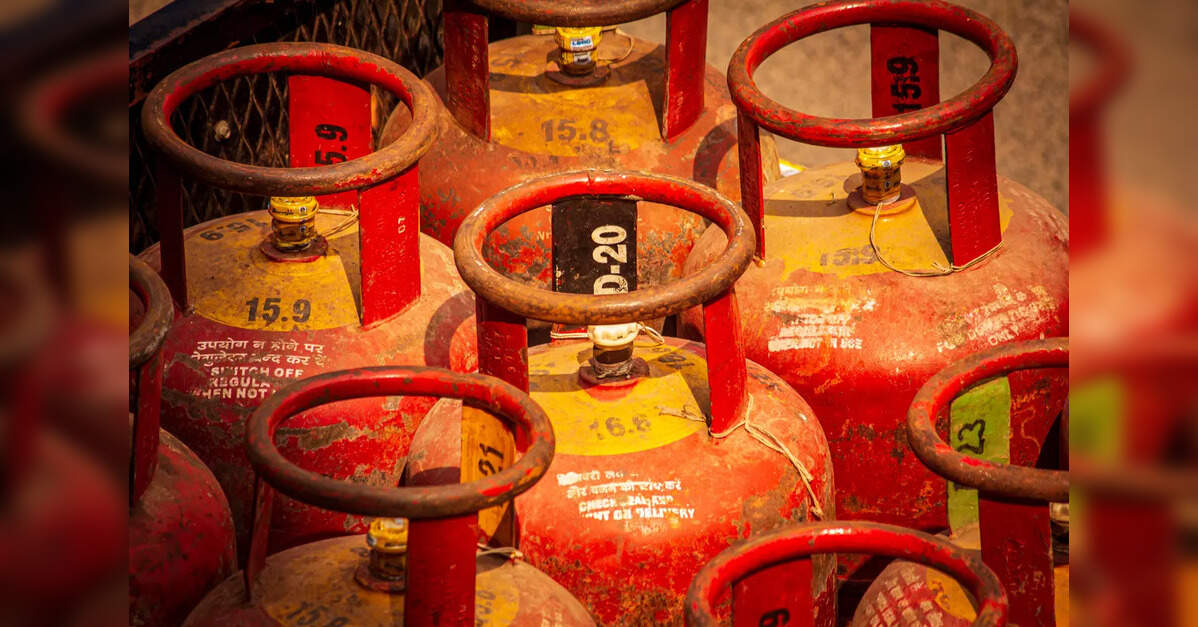
India’s Pradhan Mantri Ujjwala Yojana (PMUY) is emerging as a powerful, structural catalyst for the nation’s Liquefied Petroleum Gas (LPG) market, offering a compelling investment thesis amidst broader energy market volatility. Far from a mere social welfare program, PMUY represents a fundamental shift in household energy consumption, driven by critical imperatives of public health, gender empowerment, and environmental sustainability. This government-backed initiative, exemplified by recent distributions of LPG cylinders and stoves to 250 women in Delhi’s Wazirpur area, is systematically replacing traditional, polluting cooking fuels with cleaner alternatives. The program’s scope is significant, having already enabled over 2.5 lakh families in Delhi alone to access smoke-free kitchens. For investors, understanding this policy-driven demand growth is key to navigating the complexities of global energy markets and identifying resilient opportunities.
PMUY: A Deepening Structural Demand Driver for LPG
The core of the PMUY initiative lies in its ambitious goal to eradicate wood and coal-based cooking practices across India. This isn’t just about providing connections; it’s about fostering a lasting behavioral change, underscored by awareness campaigns encouraging transitions for even commercial users like laundry workers from coal-fired irons to gas or electricity-powered equipment. This comprehensive approach ensures that the growth in LPG consumption is not transient but deeply embedded in the nation’s energy future. The focus on women’s well-being and environmental protection provides a strong political and social mandate, suggesting the program’s longevity and continued expansion. As urban centers like Delhi actively work towards a pollution-free future, the sustained push for LPG adoption creates a robust, non-cyclical demand floor for the fuel, distinguishing it from more volatile energy commodities. Investors should view this as a long-term growth story, providing stability to the downstream LPG sector in India.
Navigating Crude Volatility: Implications for LPG Feedstock
While India’s domestic LPG demand is showing structural strength, the global market for its feedstock remains subject to broader crude oil dynamics. As of today, Brent crude trades at $91.4 per barrel, reflecting a significant 8.04% decline within the day, having ranged between $86.08 and $98.97. WTI crude mirrors this sentiment, currently at $83.83, down 8.05% with a daily range of $78.97 to $90.34. This sharp daily drop comes on the heels of a more prolonged downturn, where Brent had already shed $14, or 12.4%, from $112.57 on March 27th to $98.57 just yesterday. The price of gasoline, a related refined product, has also seen a daily decline of 4.85% to $2.94. Such volatility in crude prices directly impacts the cost of LPG feedstock, which is derived from both natural gas processing and crude oil refining. While lower crude prices can reduce input costs for LPG producers and importers, the consistent, policy-driven demand from PMUY ensures that the market remains robust. This dynamic presents a nuanced opportunity: while feedstock costs may fluctuate, the underlying demand in India provides a strong pull for LPG supply, potentially moderating the impact of crude price swings on the profitability of LPG-focused entities.
Upcoming Market Catalysts and the LPG Outlook
The interplay of stable Indian demand with global supply dynamics will be shaped by several critical upcoming events. Investors are keenly watching the OPEC+ Joint Ministerial Monitoring Committee (JMMC) meeting on April 17th, followed by the full Ministerial meeting on April 18th. Our reader intent data highlights significant interest in current OPEC+ production quotas, as these decisions directly influence global crude supply and, consequently, the availability and pricing of LPG feedstock. Any shifts in production policy could either tighten or ease the supply side, impacting the landed cost of LPG for major importers like India. Further insights into global petroleum inventory levels will come from the API Weekly Crude Inventory reports on April 21st and 28th, and the EIA Weekly Petroleum Status Reports on April 22nd and 29th. These will offer a clearer picture of market balance. Additionally, the Baker Hughes Rig Count on April 24th and May 1st will indicate future upstream activity, providing forward guidance on potential supply. For the Indian LPG market, the success of PMUY relies on a stable and affordable supply chain, making the outcomes of these global events highly relevant to the long-term viability and expansion of the program, and thus, to the investment outlook for companies involved in LPG import, distribution, and refining.
Investor Sentiment: Long-Term Vision Beyond Short-Term Swings
Our proprietary data indicates that investors are looking beyond immediate market fluctuations, with a strong focus on the long-term trajectory of energy prices. Questions such as “what do you predict the price of oil per barrel will be by end of 2026?” underscore the desire for clarity amidst ongoing geopolitical and economic uncertainties. While predicting an exact price point remains challenging, the sustained, policy-backed demand from initiatives like PMUY offers a degree of predictability for the LPG sector that is often absent in other segments of the energy market. The commitment to “safeguarding women’s health” and advancing towards “cleaner air” reinforces the political will to support and expand LPG access. This commitment acts as a fundamental underpin for LPG demand growth in one of the world’s most populous and rapidly developing economies. For investors, this translates into a potentially less cyclical and more growth-oriented segment within the broader oil and gas investment landscape, particularly for companies with significant exposure to the Indian downstream market. The steady expansion of LPG infrastructure and consumption driven by PMUY presents a durable investment theme, offering resilience against the often-turbulent global crude market.


