

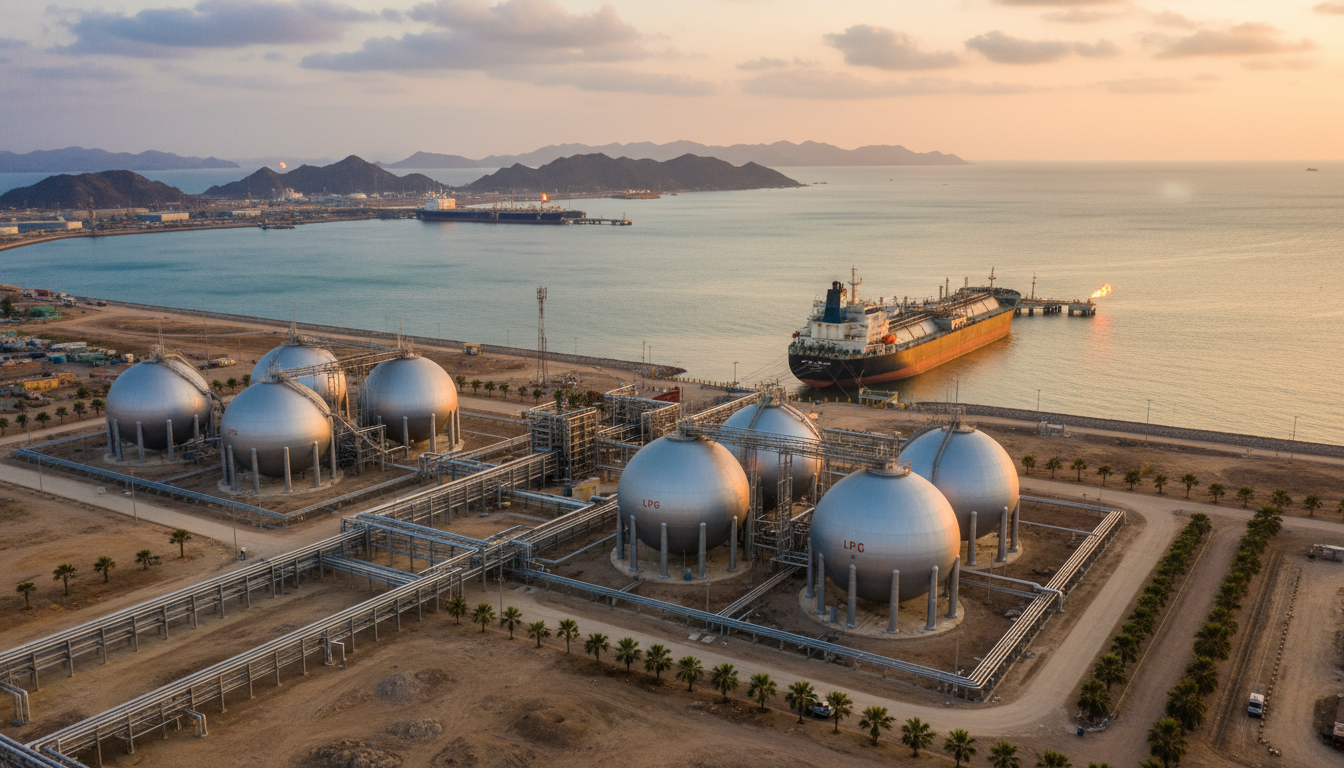
Navigating Volatility: Indian LPG Tankers Transit Hormuz Amid Middle East Tensions
The global energy landscape remains acutely sensitive to geopolitical shifts, nowhere more evident than in the critical Strait of Hormuz. Recent developments signal a precarious, yet vital, thawing in maritime traffic as two India-flagged liquefied petroleum gas (LPG) tankers have successfully navigated the strategic chokepoint. This movement underscores Iran’s selective allowance of passage, a crucial factor for a world wrestling with persistent supply chain vulnerabilities and escalating regional conflict.
Monitoring vessel-tracking data reveals that the Green Asha and the Green Sanvi, both flying the Indian flag, have exited the Strait of Hormuz. Their destination: India, carrying essential LPG cargoes. A third Indian LPG carrier, the Jag Vikram, positioned west of the Strait, is also anticipated to undertake the transit soon. These passages offer a glimmer of relief to energy markets and particularly to India, the world’s third-largest crude oil importer, heavily reliant on LPG for its domestic energy needs.
Geopolitical Dynamics and Energy Security Implications
The ongoing conflict in the Middle East has significantly disrupted energy flows, particularly impacting nations like India that depend heavily on imports through the Strait of Hormuz. This vital waterway accounts for a substantial portion of global oil and gas trade. Any impediment to its free passage sends ripples through commodity markets, affecting prices and supply reliability. For investors, understanding these geopolitical nuances is paramount when assessing risk premiums in energy stocks, maritime shipping, and commodity futures.
Indian government officials have been vocal about ensuring the uninterrupted flow of vital cargoes. Rajesh Kumar Sinha, Special Secretary in the Indian Ministry of Ports, Shipping and Waterways, emphasized last week the paramount importance of securing safe passage through the Strait of Hormuz for India-flagged vessels carrying critical supplies, including LPG. This diplomatic effort appears to have yielded results, as evidenced by similar successful transits by Indian LPG tankers close to the Iranian coastline last month, signaling a calibrated approach by Iran toward specific national vessels.
India’s Critical Reliance on LPG
The importance of LPG to India’s domestic energy fabric cannot be overstated. An astonishing 60% of Indian households rely on LPG as their primary cooking fuel. This statistic highlights not just an economic dependency but also a significant social and public policy concern. A disruption in LPG supply directly impacts millions of families across the nation. Adding to this vulnerability, approximately 90% of all Indian LPG imports flow through the Strait of Hormuz. This geographic concentration of supply routes makes India exceptionally susceptible to any volatility in the region, creating a significant energy security challenge.
The recent blockages and resulting supply shortages have been acutely felt by Indian consumers. In response, the Indian government has implemented measures to manage the crisis. Authorities have reduced LPG allocations to commercial establishments and industrial users, re-directing supplies to prioritize household consumption. This governmental intervention underscores the strategic importance of LPG and the lengths to which a major economy will go to safeguard its domestic energy supply amidst external pressures.
Long-Term Energy Strategy and Investment Opportunities
Beyond immediate crisis management, India is also pursuing longer-term strategies to enhance its energy resilience. The government is actively promoting the expansion of city pipeline gas networks. The objective is to gradually replace the reliance on LPG cylinders where feasible, diversifying the energy mix and reducing dependency on imported, bottled gas. This initiative presents considerable opportunities for investors in India’s energy infrastructure sector, particularly in gas pipeline development, distribution networks, and associated technologies.
The successful transits of the Green Asha and Green Sanvi, alongside the anticipated movement of the Jag Vikram, provide a momentary reprieve rather than a definitive solution. The broader geopolitical tensions persist, keeping the Strait of Hormuz a focal point of global energy risk. Investors in the oil and gas sector, particularly those with exposure to maritime shipping, commodity trading, or energy infrastructure in Asia, must remain vigilant. The dynamics of selective passage imply continued complexity and potential for sudden shifts. While these movements offer short-term stability to India’s LPG supply, they also serve as a stark reminder of the enduring vulnerabilities in global energy supply chains and the critical need for diversified energy strategies and robust risk management.
The ongoing situation in the Middle East continues to dictate terms for global energy flows, emphasizing the intricate dance between geopolitics and commodity markets. For those invested in the future of oil and gas, understanding these delicate balances and their potential market ramifications remains paramount.
