India’s Energy Resilience: A Deep Dive into Surging LPG Output and Strategic Implications
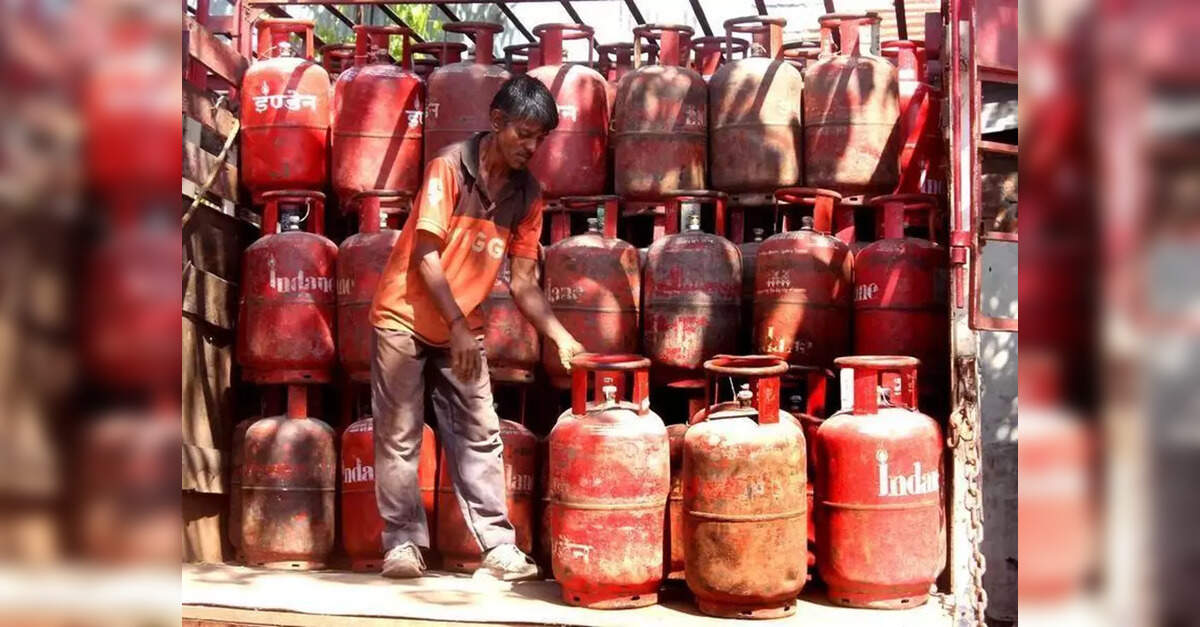
India’s commitment to bolstering its domestic energy security has taken a significant step forward, with recent data indicating a remarkable 30% surge in Liquefied Petroleum Gas (LPG) production. This substantial increase is a direct result of reinforced government initiatives aimed at assuring consumers of ample fuel supplies and mitigating reliance on imports. For investors tracking global energy markets and the dynamics of emerging economies, this development signals a strategic pivot in India’s energy landscape, potentially reshaping import patterns and creating new domestic investment opportunities within the refining and distribution sectors.
Domestic Production Boom and Import Reduction Dynamics
The recent jump in domestic LPG production is a cornerstone of India’s broader strategy to enhance self-sufficiency across its energy portfolio. According to official statements, the nation’s refineries, boasting a robust capacity of 258 million metric tonnes, are currently operating at or above 100% utilization levels. This aggressive operational posture has not only driven the LPG surge but also cemented India’s self-sufficiency in petrol and diesel, effectively eliminating the need for imports of these key transport fuels. While the government has moved to reassure consumers and prevent panic, evidenced by the significant spike in LPG bookings to 75.7 lakh from a pre-war average of 55.7 lakh, the sustained high utilization rates across the refining sector underscore a strategic intent to de-risk the energy supply chain. This domestic strength provides a critical buffer against global market volatility, a factor increasingly vital for investors considering the stability of demand in one of the world’s largest energy consumers.
Navigating Global Crude Volatility Amidst Domestic Stability
Against a backdrop of India’s strengthening domestic energy production, the global crude market continues to present a complex picture for investors. As of today, Brent crude trades at $92.96 per barrel, reflecting a slight dip of 0.3% within a day range of $92.57 to $94.21. Similarly, WTI crude is priced at $89.36, down 0.35%. This minor daily fluctuation follows a more significant trend over the past two weeks, with Brent having fallen by $7.07, or 7%, from $101.16 on April 1st to $94.09 yesterday. Investors frequently ask about the direction of WTI and broader oil prices, and this recent softening could offer some relief to import-dependent nations, even as India builds its domestic capacity. While a decline in global crude prices generally reduces the cost of remaining imports for India, the nation’s proactive measures in boosting domestic LPG and refined product output demonstrate a clear intent to insulate its economy from such external pressures, providing a more predictable supply environment for its vast consumer base.
Forward-Looking Catalysts and Energy Outlook
For investors focused on the energy sector’s future trajectory, India’s domestic energy strategy must be viewed in conjunction with upcoming global market catalysts. The sustained high utilization of India’s 258 million metric tonnes refining capacity not only ensures domestic supply but also contributes to the global refined products market, potentially influencing regional price dynamics. Looking ahead, key events on the calendar will provide crucial insights into broader market trends. The EIA Weekly Petroleum Status Report, scheduled for release on April 22nd and again on April 29th, will offer critical data on U.S. crude oil and product inventories and refinery activity. Similarly, the Baker Hughes Rig Count on April 24th and May 1st will signal upstream investment trends. Perhaps most significant for longer-term price predictions, which our readers frequently inquire about (e.g., “what do you predict the price of oil per barrel will be by end of 2026?”), is the EIA Short-Term Energy Outlook on May 2nd. These reports will help shape global supply-demand expectations, which in turn affect the cost of any residual energy imports for India and influence investment decisions in refining and exploration globally.
Diversification, Demand Management, and Investment Opportunities
Beyond immediate production increases, India’s energy strategy emphasizes diversification and demand management, creating a fertile ground for new investment opportunities. The government is actively encouraging commercial consumers in major urban centers, many of whom have historically relied on LPG, to switch to Piped Natural Gas (PNG) connections. This strategic push for PNG and Compressed Natural Gas (CNG) ensures uninterrupted supply while also promoting cleaner fuel alternatives. To further support alternative fuel availability, an additional allocation of 48,000 kilolitres of Kerosene has been approved, and Coal India Limited has been directed to activate other fuel forms for industries and commercial establishments. This multi-pronged approach signals a long-term shift in India’s energy consumption patterns, favoring domestic and cleaner alternatives where feasible. For investors, this translates into potential growth for companies involved in city gas distribution networks, LNG infrastructure, and even those exploring advanced refining technologies or alternative energy sources. Questions about the performance of integrated energy companies like Repsol, which have diversified portfolios, highlight investor interest in firms well-positioned to adapt to these evolving energy mixes and capitalize on the strategic shifts in major markets like India.


