

Navigating Volatility: Indian LPG Tankers Transit Strait of Hormuz Amidst Shifting Geopolitics
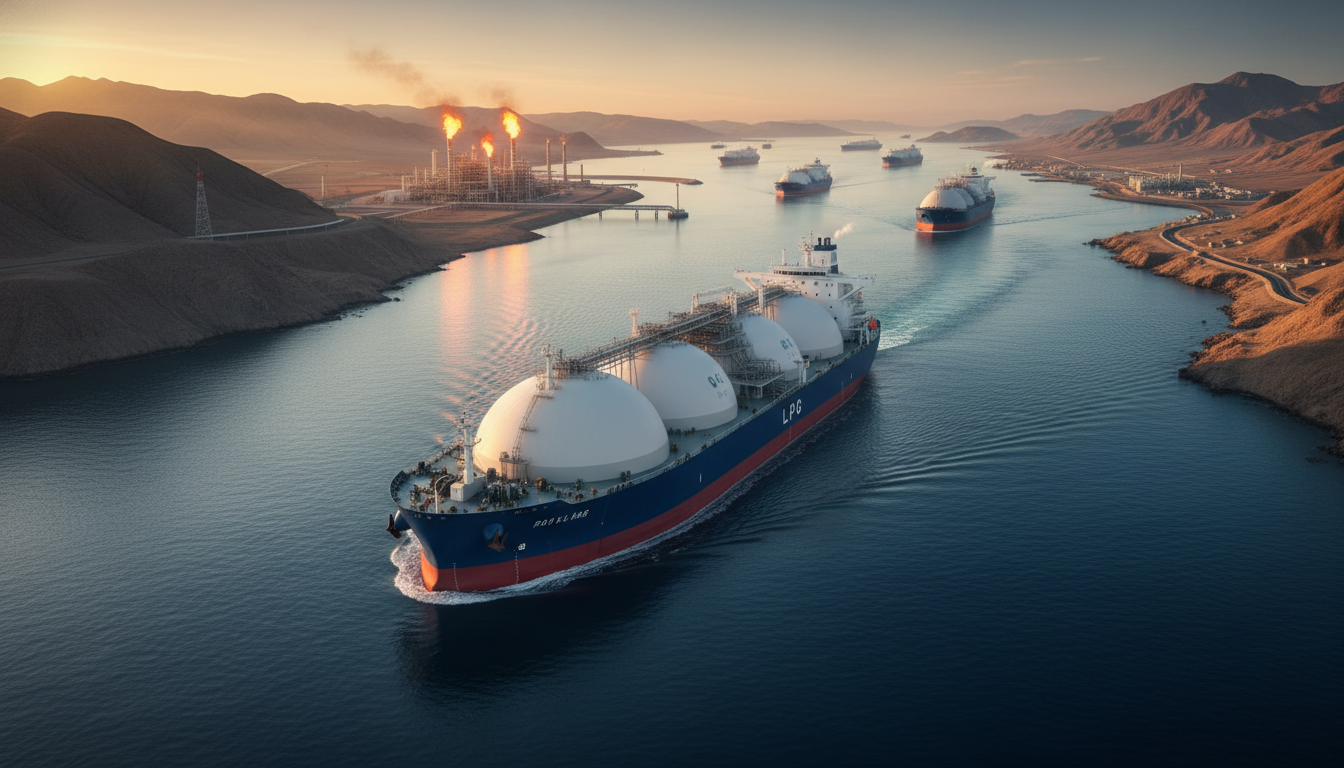
In a closely watched development for global energy markets, two Indian-flagged liquefied petroleum gas (LPG) tankers have successfully navigated the strategically vital Strait of Hormuz, providing a momentary easing of supply concerns for India, the world’s second-largest LPG consumer. This transit aligns with recent assurances from Iranian authorities that “non-hostile vessels” would be permitted passage, albeit under specific coordination protocols.
India’s shipping ministry confirmed the safe passage of the vessels, BW TYR and BW ELM, on Sunday, with expectations for them to dock safely in Indian ports later this week. These two carriers collectively transport approximately 94,000 tonnes of crucial LPG cargo. The BW TYR is currently en route to Mumbai, with an anticipated arrival on March 31, while the BW ELM is headed for New Mangalore, projected to arrive on April 1. This successful transit offers a much-needed reprieve for India, which has been grappling with an acute energy supply crunch.
De-escalation or Calculated Openings? Unpacking Iran’s Maritime Policy
The passage of these tankers comes against a backdrop of heightened geopolitical tensions following recent US-Israel military actions in the region. These events had previously compelled Iran to significantly curtail maritime traffic through the Strait of Hormuz, a choke point through which a substantial portion of global crude oil and LPG shipments must pass. The Strait’s closure or disruption carries immense implications for international energy prices and supply chain stability, directly impacting investor confidence in the oil and gas sector.
Last week, however, Iranian officials signaled a potential shift in their stance, indicating that vessels deemed “non-hostile” could traverse the waterway provided they coordinate effectively with Iranian naval authorities. This policy adjustment appears to be a calculated move, balancing Iran’s regional leverage with the need to maintain some semblance of international shipping order, particularly for nations not directly embroiled in the immediate conflict.
The BW TYR and BW ELM are not the first Indian vessels to benefit from this modified policy. Earlier, four other Indian LPG tankers—Shivalik, Nanda Devi, Pine Gas, and Jag Vasant—had also transited the strait. Notably, reports indicate that Pine Gas and Jag Vasant followed routes specifically designated by Tehran for authorized passage, underscoring the controlled nature of these movements. Beyond Indian interests, a Greek-owned crude oil carrier operating under charter for the Pakistan National Shipping Corporation also reportedly received permission to pass, suggesting a broader, albeit selective, accommodation for certain regional trade partners.
India’s Energy Security at a Crossroads: The Lingering Crisis
Despite these positive developments, the underlying energy crisis in India remains profound. The region still holds 18 Indian-flagged vessels, crewed by 485 Indian seafarers, many of them in the western Strait of Hormuz. LSEG data specifically highlights LPG carriers Jag Vikram, Green Asha, and Green Sanvi as still awaiting full transit or clearance, indicating that while some individual passages are being granted, a complete normalization of shipping lanes is yet to materialize.
India’s reliance on imported energy renders it particularly vulnerable to disruptions in the Middle East. As the world’s fourth-largest buyer of liquefied natural gas (LNG) and the second-largest buyer of LPG, its domestic energy security is inextricably linked to the stability of maritime routes like Hormuz. Last year, India’s LPG consumption reached 33.15 million metric tons, with imports fulfilling approximately 60% of this demand. A staggering 90% of these critical LPG imports originate from the Middle East, making any prolonged disruption in the region potentially catastrophic for the Indian economy and its vast population.
The recent conflict in Iran and the ensuing challenges in the Strait of Hormuz have exacerbated India’s energy woes, pushing the nation into what many describe as its worst gas crisis in decades. The ripple effects have been felt across the subcontinent, with a palpable fear of widespread gas shortages. In response, New Delhi has implemented drastic measures, including diverting gas supplies away from industrial users to safeguard households from the impact of cooking gas scarcities. Furthermore, India has proactively begun loading LPG onto its empty vessels that have found themselves stranded in the Gulf region, a clear sign of the urgent efforts being undertaken to secure vital energy supplies.
Investor Implications: Navigating Geopolitical Risk in Oil & Gas
For investors in the oil and gas sector, the situation in the Strait of Hormuz and India’s energy predicament serve as a stark reminder of the inherent geopolitical risks influencing global energy markets. While the individual passage of these Indian tankers might suggest a momentary easing of tensions, the broader environment remains fraught with uncertainty. The controlled nature of these transits, requiring explicit coordination with Iranian authorities, underscores the continued leverage Iran holds over a critical artery of global energy trade.
Market participants should closely monitor the evolving diplomatic landscape and any further shifts in maritime policy. Continued disruptions in key transit points will inevitably lead to higher shipping costs, insurance premiums, and potential supply bottlenecks, all of which directly impact profitability and operational efficiency for energy companies. India’s aggressive actions to secure its LPG supplies also highlight the potential for increased competition for available cargoes and upward pressure on prices for these commodities. The long-term implications for global energy security, supply chain resilience, and crude oil pricing remain highly contingent on the de-escalation of regional conflicts and the guaranteed free flow of trade through vital waterways.
