

India’s Energy Pivot: Geopolitics Forces a Domestic Reckoning
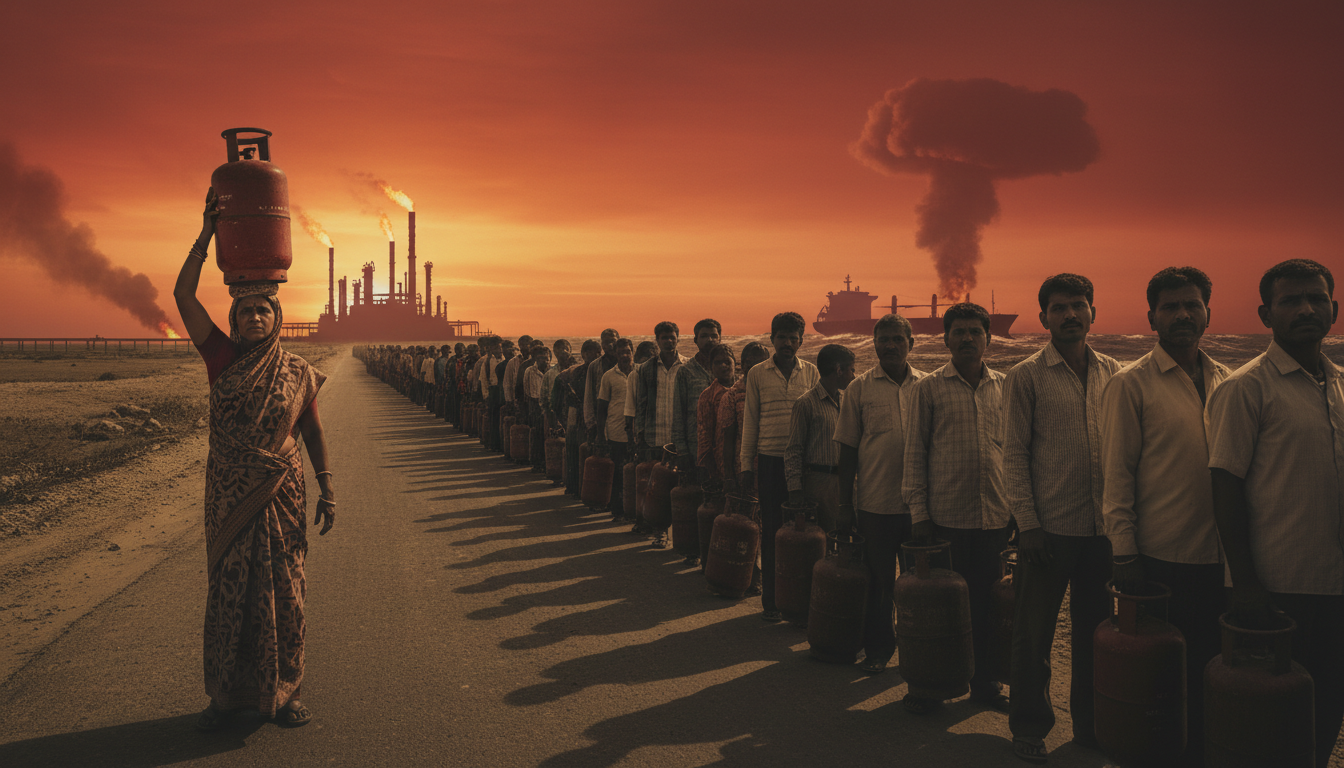
India, the world’s most populous nation, finds itself at a critical energy crossroads as the conflict in Iran enters its second month. What began as a regional geopolitical flashpoint has rapidly escalated into a severe cooking gas shortage across the subcontinent, forcing an unprecedented domestic energy rethink. This isn’t merely a temporary supply disruption; it represents a seismic shift that could permanently reshape India’s energy consumption landscape and present new investment imperatives for the global oil and gas sector.
The Shockwave: Market Shifts and Grid Strain
The immediate market reaction has been swift and dramatic. Amazon.com Inc.’s Indian unit has reported an astonishing 30-fold surge in electric cooktop sales, signaling a profound behavioral change among consumers. For a nation where liquefied petroleum gas (LPG) has traditionally served a massive customer base of 332 million households, delivered in ubiquitous red cylinders by state-controlled networks, this pivot is monumental. Should just 10 percent of these households transition to electric cooking, with 70 percent cooking simultaneously during peak hours, the resulting 28-gigawatt surge in electricity demand would equate to nearly a tenth of India’s current summer peak load. This additional strain surpasses the entire power-guzzling potential of all data centers currently under construction globally, including those targeting India for its burgeoning tech sector and cheap solar power for AI token generation. Policymakers face a stark choice: prioritize critical domestic energy needs over the ambitions of Silicon Valley firms investing in India’s digital future.
India’s electricity grid, while robust, faces imminent challenges. The existing infrastructure, particularly local substations and neighborhood transformers, which have adapted to an increasingly air-conditioner-heavy lifestyle, may not withstand the concentrated evening cooking load if millions simultaneously prepare meals. Significant capital investment will be required for grid modernization and substation upgrades to prevent widespread outages. Furthermore, this evening demand profile underscores the urgent need for substantial investment in solar-power storage solutions, given that kitchen activity peaks after sunset.
LPG’s Vulnerability: A Supply Chain Under Siege
India’s reliance on imported LPG has created a critical vulnerability. Over 65 percent of the nation’s LPG demand is met through foreign shipments, with roughly 90 percent originating from the volatile Persian Gulf. The ongoing conflict has severely impacted these crucial supply lines, with vessels now either stranded or forced to navigate the Strait of Hormuz in heavily escorted naval convoys. Adding to the complexity, the Red Sea route, vital for LPG shipments from the United States and Norway, has also come under threat due to Houthi involvement in the wider conflict, creating a dual squeeze on international supply routes.
The precariousness of this situation is exacerbated by India’s stagnant domestic propane and butane processing capacity, which has failed to keep pace with surging rural demand over recent years. While Prime Minister Narendra Modi’s government laudably expanded subsidized LPG connections to over 100 million new customers in the past decade, significantly reducing reliance on smoke-producing biomass fuels, this popular initiative inadvertently neglected the critical aspect of energy security. Prior to the current hostilities, India’s local LPG storage capacity stood at a mere 17 days of demand, a notable decline from 22 days in 2008, leaving the nation acutely exposed to geopolitical shocks.
Strategic Alternatives: PNG and LNG Take Center Stage
New Delhi is now aggressively championing the expansion of piped natural gas (PNG) to urban households as a vital short-term strategy. This move holds compelling strategic advantages. Firstly, unlike some other Asian economies, India’s power sector utilizes relatively little liquefied natural gas (LNG), meaning diverting natural gas to domestic kitchens is unlikely to trigger widespread power blackouts. Secondly, India possesses a degree of domestic gas availability, which, while not entirely eliminating import dependence, makes it less acutely vulnerable than its reliance on crude oil-derived LPG. In a worsening global deficit scenario, LNG can be more easily re-routed from industrial or transport sectors to meet critical kitchen demand. Thirdly, the global LNG market offers greater optionality; India can procure U.S. shale gas, albeit at a higher cost, via the longer but more secure Cape of Good Hope route, circumventing the hazardous Red Sea and Persian Gulf chokepoints that cripple LPG imports.
The inherent reliance of LPG on a single, volatile artery like the Strait of Hormuz stands in stark contrast to the diversified sourcing potential of natural gas. For investors looking at India’s energy transition, the accelerated push for PNG infrastructure presents a significant opportunity.
Economic Fallout and Social Unrest
The financial impact on Indian households has been immediate and severe. Cylinder prices escalated by 7 percent in March, with further increases anticipated following crucial state elections this month. While the government maintains that domestic LPG cylinder supplies are normal, it has been compelled to mandate refill delays, severely impacting daily life. Commercial supplies, typically in larger blue cylinders, have been drastically curtailed. Bloomberg News reporters recently observed silent street food stalls near New Delhi’s bustling bus station, a testament to the economic ripple effect. Anxiety is rising among migrant workers in industrial hubs like Surat, Gujarat, who face escalating costs for their next meal, prompting fears of a labor exodus reminiscent of the Covid-19 crisis, which gravely impacted the economy. Black market LPG prices are soaring, underscoring the severity of the supply crunch.
A New Energy Paradigm for India
India’s energy journey has always been one of adaptation. From coal ovens following the 1973 oil shock making kerosene stoves a luxury, to LPG becoming the middle-class norm in the 1980s, the nation has consistently navigated energy transitions. Another profound shift is now underway. Consumers, pragmatic in their choices, recognize that relying on the fragile peace of the Middle East for their daily meals is unsustainable for 1.4 billion people. In the long run, only abundant domestic solar power can truly be India’s energy savior. Until sufficient solar-power storage solutions are deployed to meet nighttime electricity demand, India’s vast reserves of local coal will continue to play a crucial role in ensuring electricity flows to kitchens.
From an investment perspective, this crisis highlights the immense opportunities in renewable energy storage, grid modernization, and domestic natural gas infrastructure. Policy makers must now make a critical strategic decision: allocate scarce electricity resources towards exporting AI tokens to Western markets, or ensure that basic necessities like affordable dosa and dal remain accessible for local families. The current geopolitical and energy climate dictates that pursuing both simultaneously is no longer a viable option.
