India’s energy landscape is undergoing a significant transformation, not just at the national level, but increasingly through pioneering initiatives by individual states. Kerala has emerged as a frontrunner, becoming the first Indian state to formally adopt a comprehensive state-level Environmental, Social, and Governance (ESG) policy. This landmark move, recently approved by the Kerala Cabinet, signals a clear intent to steer industrial development towards sustainable practices, creating a distinct investment environment that prioritizes ecological balance and social well-being. For oil and gas investors, this policy presents both a strategic blueprint for future engagement and a compelling case study on how subnational governance can shape the energy transition narrative.
Kerala’s ESG Framework: A New Investment Compass
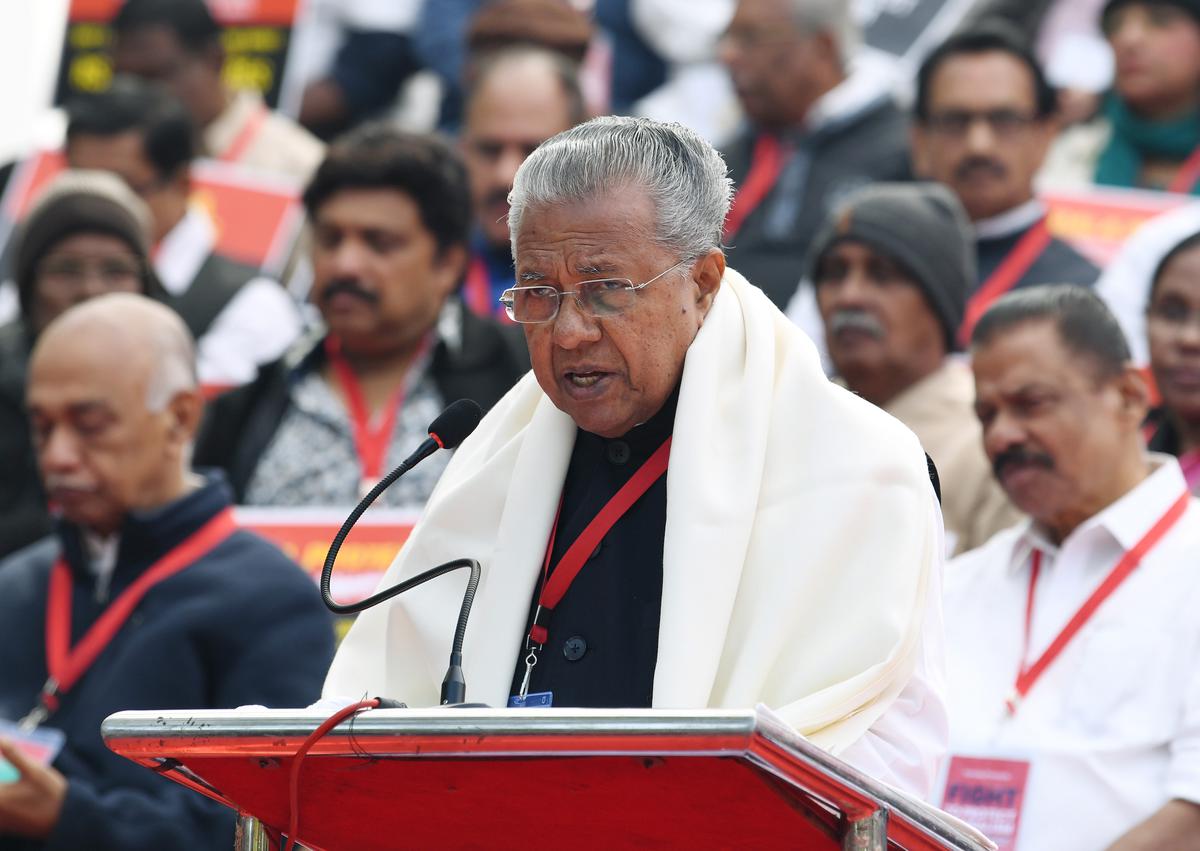
The core of Kerala’s new policy is to establish a robust governance framework designed to attract and evaluate investments based on stringent ESG standards. By proactively embedding these principles into its industrial strategy, the state aims to position itself as a magnet for low-emission and environmentally aligned industries. This isn’t merely a rhetorical stance; it’s a calculated economic play to align with global capital markets, which are increasingly scrutinizing projects for their sustainability credentials. Officials have indicated a clear preference for sectors such as renewable energy, green manufacturing, sustainable agriculture, and digital services, while simultaneously signaling potential restrictions or disincentives for highly polluting industries. This forward-thinking approach, spearheaded by Chief Minister Pinarayi Vijayan, echoes international regulatory trends, such as the European Union’s Corporate Sustainability Reporting Directive (CSRD), demonstrating that subnational entities can forge competitive advantages through climate-aligned governance, potentially even ahead of broader federal mandates. This localized ambition offers a fascinating contrast to the broader, often more complex, geopolitical dynamics that influence global energy markets. For instance, while investors frequently inquire about the current production quotas set by OPEC+ – a critical factor for global oil supply – Kerala’s policy shifts the focus to demand-side sustainability, emphasizing the types of industries and energy sources it wishes to foster within its borders, irrespective of global crude benchmarks.
Navigating Investment Flows Amidst Market Volatility
For investors, Kerala’s policy introduces a valuable layer of regulatory clarity in a market that has, at times, faced criticism for inconsistency. By formally integrating ESG as a foundational principle, the state is actively working to mitigate reputational and compliance risks for both foreign and domestic capital. This is particularly appealing to global asset managers, many of whom are bound by stewardship codes in Europe and North America that mandate ESG integration in their investment portfolios. The policy’s success will hinge on transparent execution and consistent enforcement, but its very existence provides a degree of predictability that can de-risk long-term capital deployment. This commitment to sustainable development unfolds against a backdrop of significant volatility in the global energy markets. As of today, Brent crude trades at $90.38 per barrel, marking a sharp 9.07% decline within the day, while WTI crude stands at $82.59, down 9.41%. This immediate market turbulence, driven by a day range for Brent from $86.08 to $98.97, underscores the unpredictable nature of commodity prices. Furthermore, the 14-day trend for Brent has seen a notable drop of $22.4, or 19.9%, from $112.78 on March 30th to the current price. Despite these short-term fluctuations in crude oil, the long-term strategic moves by states like Kerala emphasize a structural shift towards cleaner energy and sustainable industrialization, influencing where capital will ultimately flow for future growth, often prompting investors to consider what the price of oil per barrel will be by the end of 2026 and how such policies will shape that outlook.
Forward-Looking Opportunities and Implementation Hurdles
The practical implications of Kerala’s ESG policy extend beyond a mere statement of intent. The framework will directly influence project approvals, incentive structures, and infrastructure development, leaning heavily towards renewable energy, green manufacturing, and digital services. This creates tangible opportunities for companies specializing in these areas, as well as for energy firms capable of providing cleaner alternatives, such as natural gas for industrial feedstock or advanced energy efficiency solutions. However, the transition will not be without its challenges. Successfully implementing such a broad policy across an entire state economy is a complex undertaking, requiring robust monitoring, clear guidelines, and adaptable regulatory mechanisms. Execution will be closely watched, as similar policies at the corporate level have often struggled with effective implementation. Investor sentiment will be heavily influenced by the state’s ability to translate policy into measurable outcomes. Looking ahead, the global energy calendar holds several key events that, while not directly related to Kerala, will undoubtedly shape the broader investment climate. The upcoming OPEC+ Ministerial Meeting on April 19th, for instance, could significantly impact global crude supply and pricing, indirectly affecting the cost of energy for new industries considering Kerala. Similarly, the EIA Weekly Petroleum Status Reports on April 22nd and April 29th will provide critical insights into U.S. inventory levels and demand trends, informing investment strategies across the energy sector. These broader market signals will intersect with localized ESG pushes, creating a dynamic environment where investors are increasingly asking how traditional energy companies, such as Repsol, will navigate these evolving policy landscapes and what their performance might look like in the face of such shifts by April 2026 and beyond.
Implications for Traditional Energy Investors
While Kerala’s policy champions low-pollution industries, it doesn’t entirely sideline the broader energy sector; rather, it redefines its role. For traditional oil and gas investors, this policy signals an accelerating need to adapt portfolios and strategies. The focus shifts from fossil fuel extraction within the state to providing cleaner energy solutions, supporting the burgeoning renewable sector, or investing in infrastructure for transition fuels like natural gas. Companies with expertise in energy efficiency, carbon capture technologies, or sustainable logistics could find new avenues for growth within Kerala’s evolving industrial ecosystem. The state’s commitment to ESG offers a clear signal for long-term capital allocation, favoring entities that can demonstrate a verifiable commitment to sustainability. This proactive approach by a subnational government in a major emerging market like India underscores a global trend: ESG is no longer merely a compliance checkbox but a fundamental driver of economic development and investment appeal. Investors seeking to capitalize on India’s growth story must now consider these localized ESG frameworks as critical components of their due diligence, understanding that states like Kerala are actively shaping the future demand profile for energy and industrial inputs, demanding innovative solutions from the energy sector to meet their green ambitions.


