

India Pivots to Iran Amid Geopolitical Flux and Surging Energy Costs
In a significant strategic move echoing across global energy markets, India has recommenced purchasing oil and gas from Tehran, ending a seven-year hiatus. This critical decision, marking the first such energy acquisitions since 2019, arrives as the world’s third-largest oil importer and second-largest consumer of liquefied petroleum gas (LPG) navigates severe supply disruptions and escalating energy prices stemming from the U.S.-Israel conflict with Iran. This pivot underscores New Delhi’s determined effort to secure its vast energy needs while recalibrating complex geopolitical alignments.
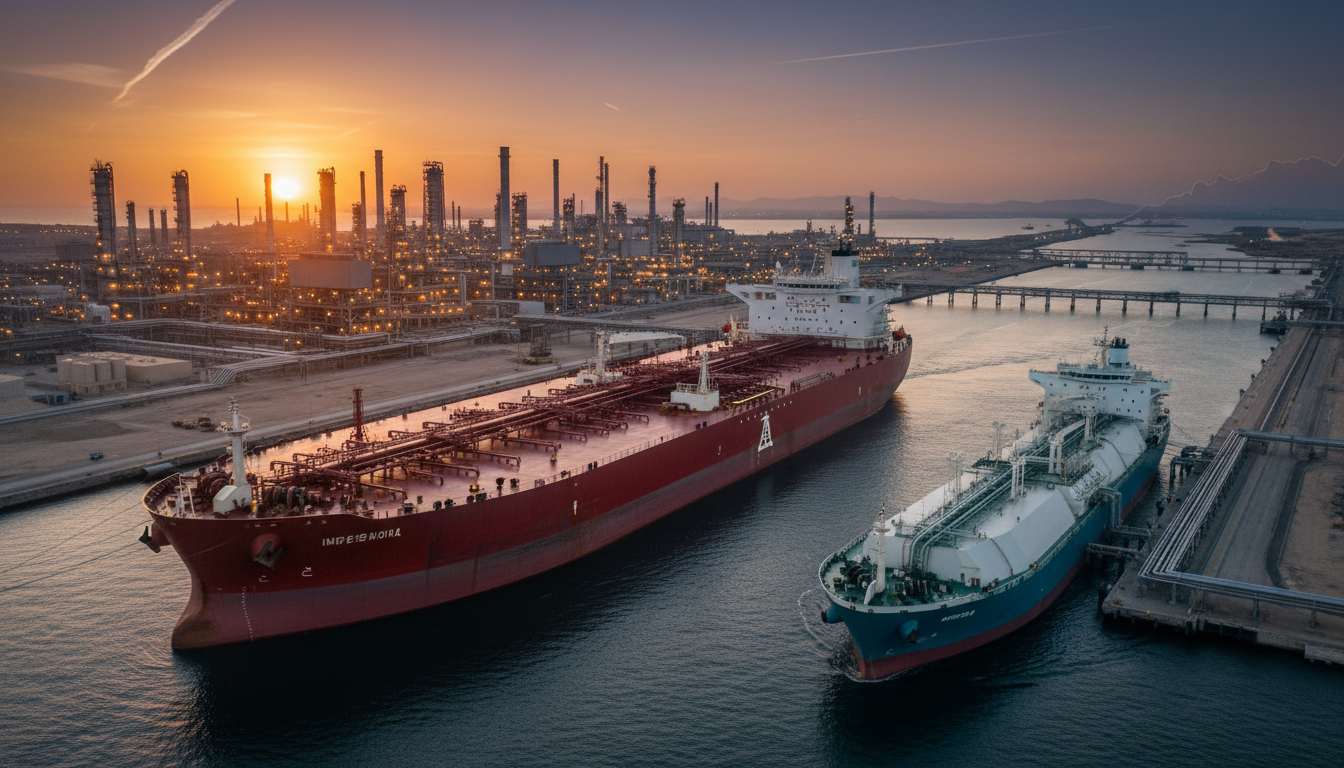
The re-engagement with Iranian energy suppliers, while not immediately expected to provoke Washington’s strong disapproval, distinctly highlights India’s pragmatic approach to international relations. Officials from India’s Ministry of Petroleum and Natural Gas confirmed recently that Indian refiners have diversified their crude supply base, now sourcing from over 40 nations, with Iran re-entering that crucial list. They also explicitly refuted any payment obstacles for Iranian crude, further signaling a clear path forward for these transactions. Concrete evidence of this renewed partnership materialized with the arrival of the LPG carrier Shivalik at Mundra Port on March 16, 2026, having successfully transited the Strait of Hormuz, carrying 44,000 metric tons of Iranian LPG to a southern Indian port.
Navigating the Strategic Strait: An Energy Insurance Policy
This calculated re-engagement with Tehran is interpreted by analysts as a strategic “insurance policy,” designed to signal India’s neutrality in the escalating regional conflict. By fostering cooperation, India anticipates Iran’s continued assistance in ensuring the unimpeded transit of its vital maritime traffic through the Strait of Hormuz. This critical waterway is indispensable for India’s energy security, with approximately 50% of its crude oil and the majority of its LPG – the primary cooking fuel for millions of households and commercial entities – passing through this strategic choke point.
The decision to resume Iranian imports also aligns with a previously granted U.S. waiver allowing such purchases. However, the longevity of these imports remains contingent on the future trajectory of sanctions on Iranian oil and the broader geopolitical evolution within the Middle East. For investors, this re-entry of Indian demand into the Iranian market, even if initially modest, introduces another layer of complexity to global oil flows, potentially influencing pricing dynamics and tanker market demand in the region.
India’s Deliberate Diplomatic Dance
Despite deep historical ties with Tehran, recent geopolitical shifts have fostered a perception of India leaning towards Washington. However, India’s current actions demonstrate a clear limit to this alignment. With seventeen Indian-flagged vessels currently awaiting safe passage through the Strait of Hormuz, and seven having successfully navigated the route recently following direct diplomatic engagement with Tehran, India clearly prioritizes its immediate energy and shipping security interests. This approach suggests a growing skepticism towards the reliability of traditional partners during crises, compelling New Delhi to diversify its strategic alliances and energy sourcing that will endure beyond transient conflicts.
This assertiveness was particularly evident when former U.S. President Donald Trump, last year, urged countries dependent on the Strait of Hormuz for energy transit to join a U.S.-led naval coalition. India’s resolute choice to negotiate directly with Iran for maritime safety, rather than joining Washington’s proposed alliance, represents a deliberate distancing. It reflects India’s unwavering energy pragmatism and an overt reluctance to be drawn publicly into conflicts it did not initiate, cementing its independent foreign policy stance.
The Cost of Uncertainty: A Historical Perspective on Procurement
India’s current balancing act follows a period of considerable friction with the U.S. Last year, the Trump administration imposed an additional 25% tariff on Indian exports and criticized New Delhi for allegedly funding Russia’s war in Ukraine by importing discounted crude. In response, to facilitate a trade agreement with Washington, India significantly curtailed its imports of Russian oil, instead ramping up purchases from Middle Eastern suppliers.
However, the subsequent outbreak of the conflict in the Middle East severely disrupted these alternative supply chains. This forced India, facing tight global markets and soaring fuel costs, to revert to Russian crude. Data indicates a substantial surge in India’s imports of Russian oil, climbing to approximately 1.9 million barrels per day as of March 24, from roughly 1 million barrels per day in February of the same year. This volatile procurement strategy has had a stark financial impact: the average price of the Indian crude basket dramatically escalated from $69 per barrel in February 2026 to a staggering $113 per barrel in March 2026, reflecting a sharp increase in acquisition costs.
Investment Outlook: Resilience Through Diversification
For investors monitoring global energy dynamics, India’s calculated move to re-engage Iran represents a powerful demonstration of national interest triumphing over external pressures. It underscores the immense strategic value placed on energy security by major consuming nations, particularly against a backdrop of escalating geopolitical risks. While the long-term sustainability of Iranian imports remains subject to evolving sanctions and regional stability, India’s willingness to diversify its energy partnerships – even amidst complex diplomatic landscapes – positions it for greater resilience in a highly volatile global energy market. This pragmatic approach to securing vital resources, balancing geopolitical alignments with national economic imperatives, offers a valuable case study for understanding the future trajectory of international energy trade and the forces shaping commodity prices.
