

India Bolsters Energy Security Amid Geopolitical Headwinds: A Strategic Investment Outlook
In a powerful affirmation of national resilience, India’s leadership recently underscored its comprehensive strategy to insulate the nation’s energy markets from global volatility. As geopolitical tensions escalate, particularly in West Asia, and critical shipping arteries like the Strait of Hormuz face potential disruptions, the Indian government is doubling down on efforts to ensure an uninterrupted flow of vital fuels—petrol, diesel, and natural gas—along with essential fertilisers. This proactive stance aims to safeguard citizens and industries from the economic hardships often associated with supply chain shocks, presenting a compelling narrative for investors assessing India’s long-term stability in the global energy landscape.
Diversification Drives Energy Independence
A cornerstone of India’s energy policy over the past decade has been an aggressive diversification of its import portfolio. This strategic pivot has seen the nation broaden its energy procurement relationships from a concentrated base of just 27 countries to a more expansive network now spanning 41 nations. This deliberate broadening of sources significantly reduces India’s susceptibility to supply constraints or political instability within any single region, de-risking its energy supply matrix. For investors, this signals a more robust and predictable energy environment, mitigating the impact of regional conflicts on India’s vast industrial and consumer base, thereby fostering a more stable economic outlook for the world’s fastest-growing major economy.
Domestic Innovation and Demand Management Fortify Supply
Beyond geographical diversification, India has simultaneously implemented a suite of domestic initiatives designed to optimize fuel consumption and enhance internal resilience. Key among these are the ambitious 20% ethanol blending program for petrol, which significantly reduces the demand for pure gasoline and supports the domestic agricultural sector. Furthermore, the nearly 100% electrification of its extensive railway network has dramatically curtailed diesel consumption by one of the largest transport systems globally. Complementing this, the rapid expansion of urban metro rail systems across major cities has further alleviated pressure on road transport fuels. These combined efforts, implemented over the last ten years, have collectively led to substantial savings in imported petrol and diesel, creating a more self-reliant energy ecosystem. Such policy foresight provides a clear signal of long-term commitment to sustainable energy practices and reduced fossil fuel dependency, appealing to ESG-conscious investors and those betting on India’s green transition.
Strategic Reserves and Refining Prowess: India’s Defensive Bulwarks
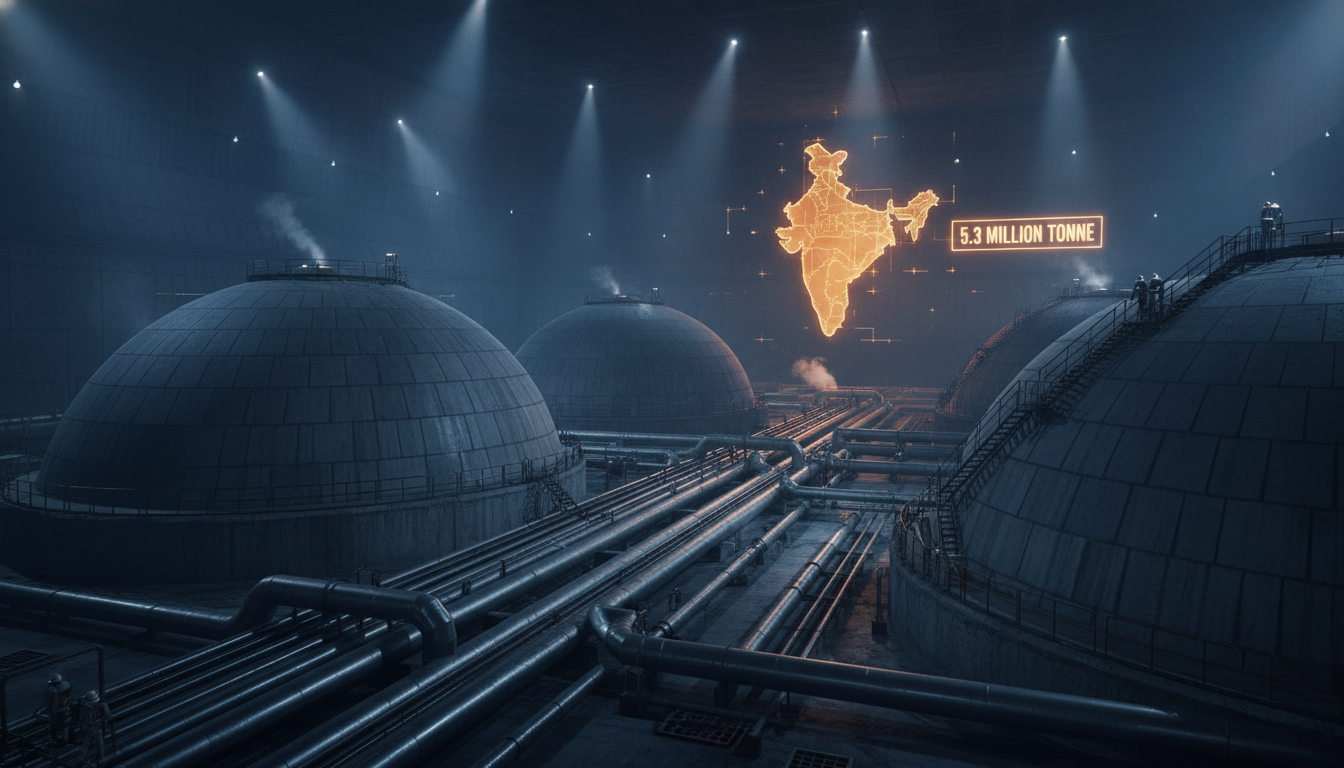
India’s commitment to energy security is further evidenced by its robust strategic petroleum reserves (SPR) and its formidable refining capabilities. The nation currently holds strategic petroleum reserves exceeding 5.3 million tonnes, a substantial buffer against immediate supply disruptions. Significantly, an additional 6.5 million tonnes of reserve capacity are actively under development, illustrating a sustained commitment to enhancing energy security. This expansion comes alongside a remarkable increase in India’s overall refining capacity over the past eleven years. These developments have solidified India’s position not only as the world’s third-largest energy consumer but also as the fourth-largest global oil refiner. This significant downstream capacity allows India to process a wide array of crude oils, providing flexibility in sourcing and transforming raw material into finished products, thereby adding another layer of security and value to its energy sector. Investors should view this robust infrastructure as a critical asset, underpinning the nation’s ability to weather global energy storms.
Navigating Geopolitical Currents with Active Diplomacy
Acknowledging West Asia’s indispensable role as a primary energy supplier, India has institutionalized a highly proactive approach to managing potential disruptions. A dedicated inter-ministerial task force convenes daily, focusing intently on issues within the import-export logistics chain. This constant vigilance and rapid response mechanism are designed to preempt and mitigate any challenges that could affect the supply of crucial energy commodities. The government’s explicit objective remains to shield the supply of petrol, diesel, and natural gas from severe impacts, ensuring market stability. This level of granular oversight provides a significant degree of assurance for businesses and foreign capital alike, indicating that India is not merely reacting to events but actively shaping its defensive posture in the volatile global energy arena. For astute investors, India’s disciplined and strategic approach to managing its energy supply chain amidst global uncertainties underscores its unique resilience and compelling growth narrative in the coming decades.
