

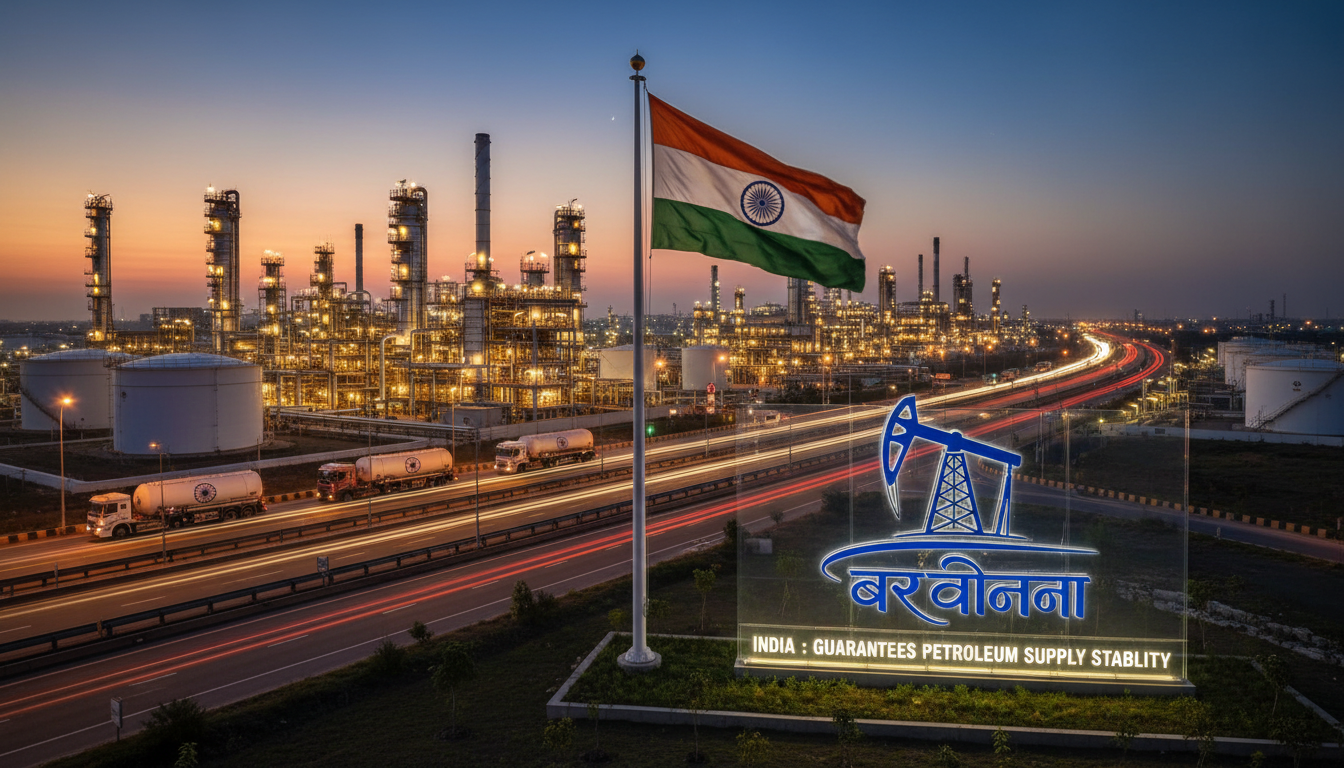
The intricate dance of global geopolitics continues to cast long shadows over commodity markets, with the oil and gas sector often at the epicenter. Amidst heightened tensions in West Asia, which have inevitably spurred volatility across international petroleum supply chains, India’s energy landscape remains steadfast. Investors keenly observing the nation’s energy security and market stability recently received a crucial reaffirmation from Union Coal Minister G Kishan Reddy, who emphatically assured the populace of an uninterrupted supply of critical petroleum products, including petrol and diesel. His message was clear: there is no basis for alarm, a sentiment designed to bolster market confidence and prevent speculative distortions.
Assessing Domestic Resilience and Supply Chain Fortitude
Minister Reddy’s recent review with Oil Marketing Companies (OMCs) and dealer associations in Telangana provided a granular look at the prevailing supply situation. While acknowledging the pressure exerted by international events on global prices and supply lines, he critically dismissed recent reports of shortages at retail outlets as transient. These isolated incidents were largely attributed to localized factors and the swift, often disproportionate, spread of anxiety through social media, rather than any fundamental disruption to the nation’s robust energy infrastructure.
For investors, this distinction is vital. It underscores the operational resilience of India’s domestic energy sector. The assurance of “adequate domestic fuel stocks,” underpinned by continuous refinery operations, highlights a strong inventory management strategy and healthy utilization rates across the country’s refining complex. This sustained operational tempo ensures that supplies across states, including Telangana, are consistently maintained through well-established and efficient distribution networks. A high level of refinery utilization signals strong demand and efficient asset management, key metrics for evaluating the financial health and operational capacity of major OMCs.
Strategic Procurement and Proactive Market Oversight
India’s energy security is not merely about domestic production and refining; it heavily relies on a sophisticated international procurement strategy. Minister Reddy confirmed that global sourcing of crude oil, liquefied petroleum gas (LPG), and refined petroleum products is actively ongoing to meet the nation’s burgeoning demand. This diversified international sourcing is a critical risk mitigation strategy, shielding the country from over-reliance on any single geopolitical hotspot or supplier, thereby stabilizing input costs for OMCs over the long term.
Furthermore, the Central government, in close coordination with public sector oil marketing entities, maintains rigorous oversight of supply chains. This proactive monitoring ensures seamless distribution from refineries to petrol pumps and LPG outlets nationwide. Regular dialogues with oil companies and their extensive distributor networks are instrumental in streamlining supply allocations and swiftly addressing any operational bottlenecks. Such diligent management of the logistical backbone is paramount for ensuring consistent revenue streams for distributors and stable market conditions for consumers, reinforcing investor confidence in the sector’s administrative efficiency.
Fiscal Policy as a Stabilizer: Excise Duty Adjustments
Beyond operational strategies, the government has actively deployed fiscal levers to insulate consumers from global price volatility. A notable measure has been the reduction in excise duty on petroleum products. This policy aims to moderate retail prices directly, representing a conscious effort to balance the financial burden between consumers and the oil companies. From an investment perspective, such policy interventions demonstrate the government’s commitment to maintaining economic stability, which indirectly supports consumption and economic activity. While excise duty cuts may temporarily impact government revenues, they can prevent demand destruction, thereby preserving sales volumes for OMCs. Investors often scrutinize the sustainability of such measures and their implications for OMC profitability and government fiscal health.
Pivoting Towards Long-Term Energy Security and Investment Horizons
The Centre’s commitment extends far beyond immediate supply stability. Minister Reddy emphasized a resolute focus on long-term energy security through a multi-pronged approach. This includes the strategic expansion of refining capacity, a move that signals robust future demand for refined products and potential opportunities for infrastructure development and technology upgrades within the sector. Furthermore, the promotion of cleaner household energy solutions, particularly LPG, underscores a continued growth trajectory for this segment, requiring ongoing investment in distribution networks and infrastructure.
Perhaps most significantly, the accelerated push towards electrification and electric mobility initiatives represents a pivotal shift in India’s energy strategy. This drive aims to significantly reduce the nation’s import dependence on fossil fuels, aligning with global energy transition goals. For investors, this creates new avenues and challenges. Traditional oil and gas players may seek diversification opportunities in renewable energy, EV charging infrastructure, and battery manufacturing, while new entrants in the clean energy space stand to benefit from supportive government policies and burgeoning demand. This long-term vision positions India as a dynamic market with diverse investment prospects across the energy spectrum.
Mitigating Market Volatility: A Call for Rational Investor Behavior
Crucially, the Union Minister’s appeal to the public to abstain from panic buying or hoarding of petrol, diesel, or LPG cylinders carries significant weight for market stability. Such irrational behavior can quickly create artificial shortages, distort real-time demand signals, and lead to unnecessary price escalations, disproportionately affecting vulnerable segments of society. From a market perspective, this message is a preemptive strike against speculative behavior that could destabilize supply chains and introduce unwarranted volatility, impacting short-term trading margins and operational planning for OMCs. A calm, rational market ensures more predictable operational environments for energy companies, a factor highly valued by investors.
In conclusion, India’s energy sector, under diligent governmental oversight, demonstrates a robust and proactive stance against current global energy market turbulence. The comprehensive strategy encompassing adequate domestic stocks, strategic international procurement, vigilant supply chain management, and prudent fiscal interventions provides a stable foundation. Coupled with an ambitious long-term vision towards enhanced energy security and diversified energy sources, the Indian oil and gas sector presents a picture of resilience and adaptive growth, offering a compelling narrative for investors navigating the complexities of the global energy transition.
