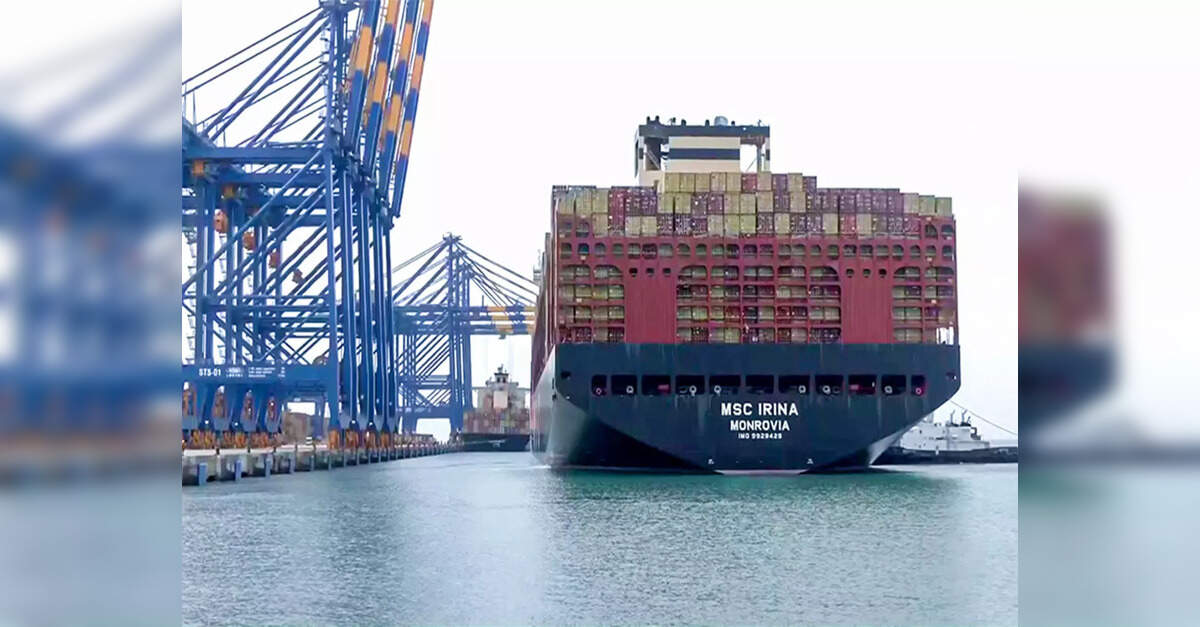
India, a colossal energy consumer, is strategically recalibrating its gas sourcing architecture, a pivotal move that demands close attention from global energy investors. Faced with persistent geopolitical uncertainties in West Asia, New Delhi is actively diversifying its energy portfolio, signaling a significant shift away from traditional supply strongholds. This proactive stance, driven by a commitment to energy security, involves exploring new partnerships with nations like Australia and Canada for liquefied natural gas (LNG) supplies. For investors, this reorientation not only reshapes regional gas trade flows but also offers insights into long-term demand fundamentals and the resilience of supply chains in an increasingly complex global energy landscape.
India’s Proactive Diversification Amidst Geopolitical Volatility
India’s energy security strategy is currently undergoing a decisive transformation, moving beyond its traditional reliance on established suppliers. With current gas imports reaching 195 million metric standard cubic metres per day (MMSCMD), of which a substantial 60 MMSCMD originates from Qatar, the impetus to diversify is clear. The government’s active engagement with new markets, notably Australia and Canada, represents a deliberate effort to mitigate risks associated with regional instability. This strategic pivot is not limited to gas; India is also in discussions with major global oil producers, the International Energy Agency (IEA), and the Organization of the Petroleum Exporting Countries (OPEC) to broaden its crude and LPG sourcing. Furthermore, recent agreements with the UAE and the US underscore a concerted push to fortify its energy basket against potential disruptions. Investors should recognize this multi-faceted approach as a robust long-term play to de-risk national energy supply, potentially creating new demand centers for emerging LNG producers and altering established shipping routes and logistics paradigms.
Market Resilience and Inventory Comfort in a Shifting Landscape
Despite the prevailing geopolitical tensions, India maintains a notably comfortable position regarding its energy security, a factor that provides a crucial buffer against immediate market shocks. The nation boasts an impressive total inventory cover of nearly eight weeks of crude oil and petroleum products, including strategic reserves. This comprises approximately 25 days of crude oil inventory, complemented by around 25 days of petrol and diesel stock. Crucially, only about 40 percent of India’s crude oil imports transit through the Strait of Hormuz, significantly limiting its direct exposure to potential disruptions in this critical maritime choke point. This strategic insulation contrasts with the broader market’s cautious sentiment. As of today, Brent Crude trades at $93.04, reflecting a -0.21% dip within a day range of $92.57-$94.21. Similarly, WTI Crude stands at $89.43, down -0.27%, ranging between $88.76-$90.71. Over the past two weeks, Brent has seen a notable decline, dropping from $101.16 on April 1st to $94.09 on April 21st, representing a 7% decrease. India’s robust inventory levels and diversified transit routes suggest a strategic advantage, allowing it to navigate short-term price volatility and supply chain pressures with greater confidence than many other major importers. For investors, this resilience indicates a more stable demand profile from India, even as global commodity prices fluctuate.
Forward-Looking Strategies and Key Market Catalysts
India’s embrace of Australia and Canada as new gas suppliers marks a significant forward-looking shift in global LNG dynamics. This move will necessitate substantial long-term contracts and potentially new infrastructure investments, influencing both LNG pricing and shipping markets. While India continues to honor existing contracts for Russian crude, the proactive engagement with new gas partners demonstrates a clear strategic intent to future-proof its energy mix. For investors seeking to anticipate market movements, the upcoming energy calendar offers critical signals. The EIA Weekly Petroleum Status Reports, scheduled for April 22nd, April 29th, and May 6th, will provide crucial insights into US inventory levels and demand trends, which often serve as bellwethers for global crude markets. Similarly, the Baker Hughes Rig Count on April 24th and May 1st will indicate future production capabilities and drilling activity. Perhaps most impactful for long-term outlooks will be the EIA Short-Term Energy Outlook released on May 2nd, which can significantly influence investor sentiment regarding future supply-demand balances and price trajectories. These events, combined with India’s strategic shifts, will shape the investment landscape for LNG producers, infrastructure companies, and energy traders in the coming months.
Addressing Investor Concerns: Price Trajectories and Long-Term Stability
Our proprietary reader intent data from OilMarketCap.com reveals a clear and consistent investor preoccupation with price direction and long-term market forecasts. A recurring theme among queries revolves around the trajectory of WTI crude, with many asking if “WTI is going up or down,” and a significant number seeking predictions for “the price of oil per barrel by end of 2026.” This keen interest in future pricing underscores the high-stakes environment in energy investment. India’s strategic diversification directly addresses these investor concerns by seeking to inject greater stability into its energy procurement. By securing long-term gas supplies from geopolitically stable regions like Australia and Canada, India aims to mitigate exposure to the price volatility and supply disruptions often associated with more concentrated sourcing. While current global markets show no immediate shortage of LPG, LNG, or crude, India’s proactive measures reflect an understanding that future stability requires strategic foresight. For investors, this means that companies positioned to benefit from India’s expanded sourcing network – particularly those in Australian and Canadian LNG production, or advanced shipping logistics – may offer more predictable long-term growth prospects, even as the broader market grapples with the inherent uncertainties of commodity pricing.


