

Geopolitical Turmoil Delivers Lifeline: India Rushes Fuel to Crisis-Hit Sri Lanka Amid Hormuz Closure
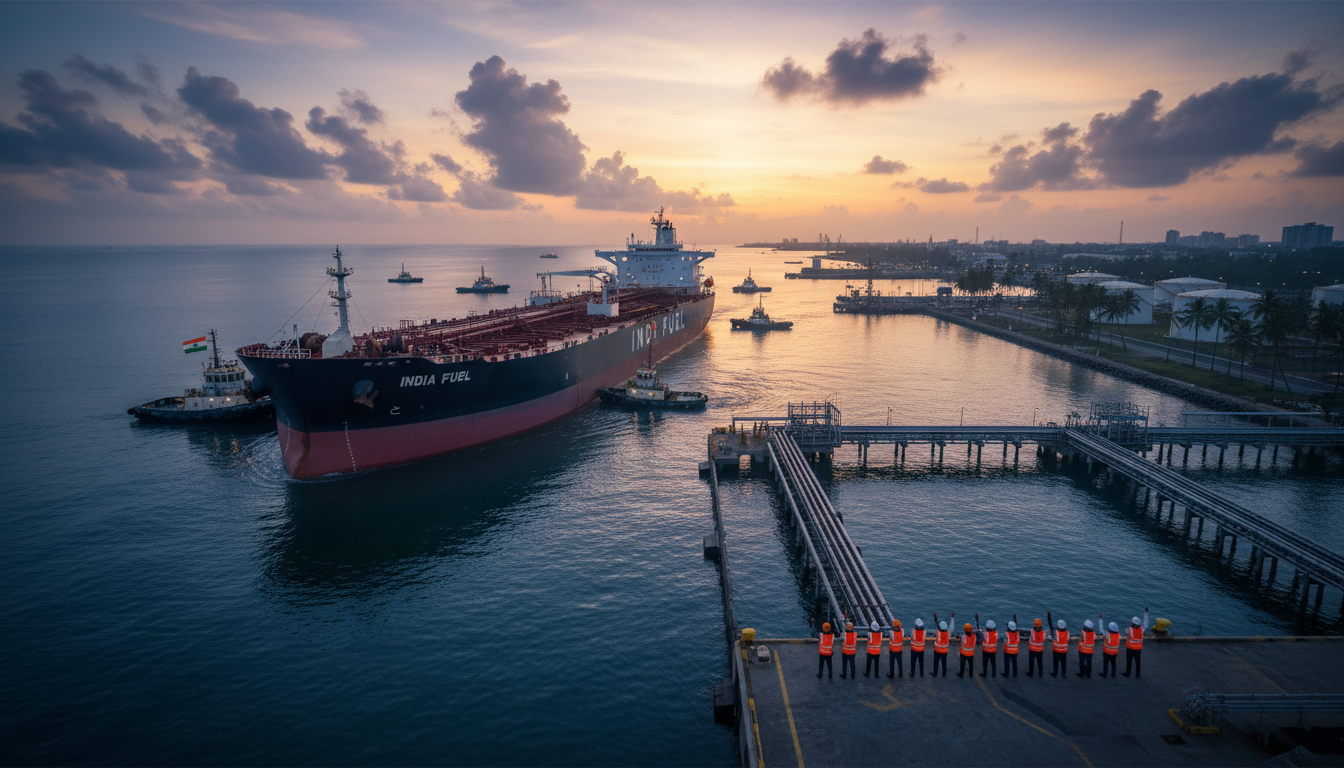
In a stark illustration of the escalating global energy security crisis, Sri Lanka is set to receive a critical fuel consignment from India this Saturday. This emergency shipment, comprising 38,000 metric tonnes of diesel and petrol, underscores the immediate and severe impact of the ongoing conflict in West Asia on international energy flows and emerging market stability. For oil and gas investors, this incident serves as a potent reminder of the inherent volatility and geopolitical risk permeating global commodity markets.
The crucial fuel delivery, arriving at Colombo Harbour, stems from a high-level diplomatic intervention: a direct telephone conversation between Sri Lankan President Anura Kumara Dissanayake and Indian Prime Minister Narendra Modi on March 24. This rapid response highlights the depth of the energy crisis facing the island nation, prompting swift bilateral action to avert a more profound economic paralysis.
Anatomy of Emergency Support: India’s Strategic Role in Regional Energy Stability
The incoming shipment is specifically structured as emergency support, with 20,000 metric tonnes of diesel and 18,000 metric tonnes of petrol being facilitated through Lanka IOC (LIOC), the local operational arm of the Indian Oil Corporation (IOC). This deployment by India’s state-owned energy giant underscores its growing strategic significance as a regional energy guarantor, particularly in a landscape fraught with supply chain disruptions. Investors should recognize IOC’s role not just as a commercial entity but as an extension of India’s geopolitical influence, ensuring stability in its immediate neighborhood, a factor that can have implications for regional trade and investment flows.
Sri Lanka’s appeal for assistance is not isolated; it follows earlier discussions with India’s External Affairs Minister S. Jaishankar, specifically seeking aid for long-term energy sustainability. These discussions gain renewed urgency in the context of the recent escalation in West Asia, which has fundamentally reshaped perceptions of energy supply chain resilience across the globe. For nations heavily reliant on imported fossil fuels, the current environment necessitates robust diplomatic engagements and diversified procurement strategies.
Strait of Hormuz Gridlock: The Choke Point’s Impact on Global Energy Markets
The immediate catalyst for Sri Lanka’s predicament, and indeed a significant concern for global oil and gas investors, is the effective closure of the Strait of Hormuz. Since February 28, the strategic waterway, a vital conduit for approximately 20% of the world’s total petroleum consumption and a substantial portion of global liquefied natural gas (LNG) traffic, has faced unprecedented disruption. This closure is a direct consequence of a rapidly escalating conflict that began with joint strikes by the U.S. and Israel against Iran, followed by retaliatory actions that have spread across the entire Gulf region.
The impact on maritime traffic through the Strait of Hormuz has been profound, bringing to a near halt the daily transit of hundreds of vessels. This cessation affects not only crude oil and gas tankers but also container ships and dry bulk carriers, creating a ripple effect across global trade and commodity markets. For energy investors, the prolonged closure of such a critical choke point translates into immediate upward pressure on crude oil and refined product prices, surging shipping insurance premiums, and dramatically extended delivery times. It forces a re-evaluation of supply chain resilience and the geographical diversification of energy sources.
Sri Lanka’s Economic Fallout: A Microcosm of Global Energy Vulnerability
Locally, in Sri Lanka, the consequences of this global energy upheaval have been severe and immediate. The nation has been compelled to implement stringent fuel rationing measures, alongside initiating a four-day work week for public services as a contingency. These steps are not merely inconvenient; they represent a significant drag on economic activity, impacting industrial output, transport networks, and the overall cost of living. For investors tracking emerging markets, Sri Lanka’s situation serves as a poignant case study in how geopolitical energy shocks can rapidly destabilize economies and erode investor confidence.
The broader implications for the global energy investment landscape are considerable. The unfolding crisis underscores the imperative for nations to bolster strategic petroleum reserves, accelerate investments in domestic energy production where feasible, and foster diversified international partnerships to secure vital supplies. Furthermore, it highlights the increasing risk premium associated with energy assets located in or transiting through politically volatile regions. Companies with robust logistics capabilities, diversified supply portfolios, and strong relationships with sovereign entities are better positioned to navigate such turbulent waters.
Navigating the New Energy Reality: An Investor’s Outlook
As the international community grapples with the fallout from the Strait of Hormuz closure and the wider West Asian conflict, the Sri Lankan fuel lifeline from India serves as a stark reminder of the interconnectedness of global energy markets and geopolitical stability. Investors must now incorporate an elevated geopolitical risk factor into their valuations and strategies. The potential for sustained high oil prices, increased volatility in energy futures, and the restructuring of global trade routes will undoubtedly shape profitability across the upstream, midstream, and downstream sectors of the oil and gas industry.
The event reaffirms that energy security is not merely an economic concern but a fundamental aspect of national security and regional stability. For those invested in the energy sector, understanding the complex interplay between geopolitics, supply chain vulnerabilities, and diplomatic interventions will be paramount in identifying both risks and opportunities in this increasingly uncertain global energy landscape. The path forward demands vigilance and a deep understanding of the forces reshaping our energy future.
