

India’s Energy Crossroads: Unlocking Domestic Gas and LNG Investment
India’s energy sector stands at a pivotal moment, navigating the complex interplay between robust economic growth, escalating energy demand, and the urgent imperative of sustainable development. For astute investors keenly observing the global oil and gas landscape, this dynamic presents a compelling narrative, particularly within the burgeoning domestic natural gas market and its profound implications for the nation’s liquefied natural gas (LNG) import strategy. The subcontinent is not merely seeking to adopt cleaner energy sources; it is actively forging indigenous, economically viable solutions designed to reach its vast population.
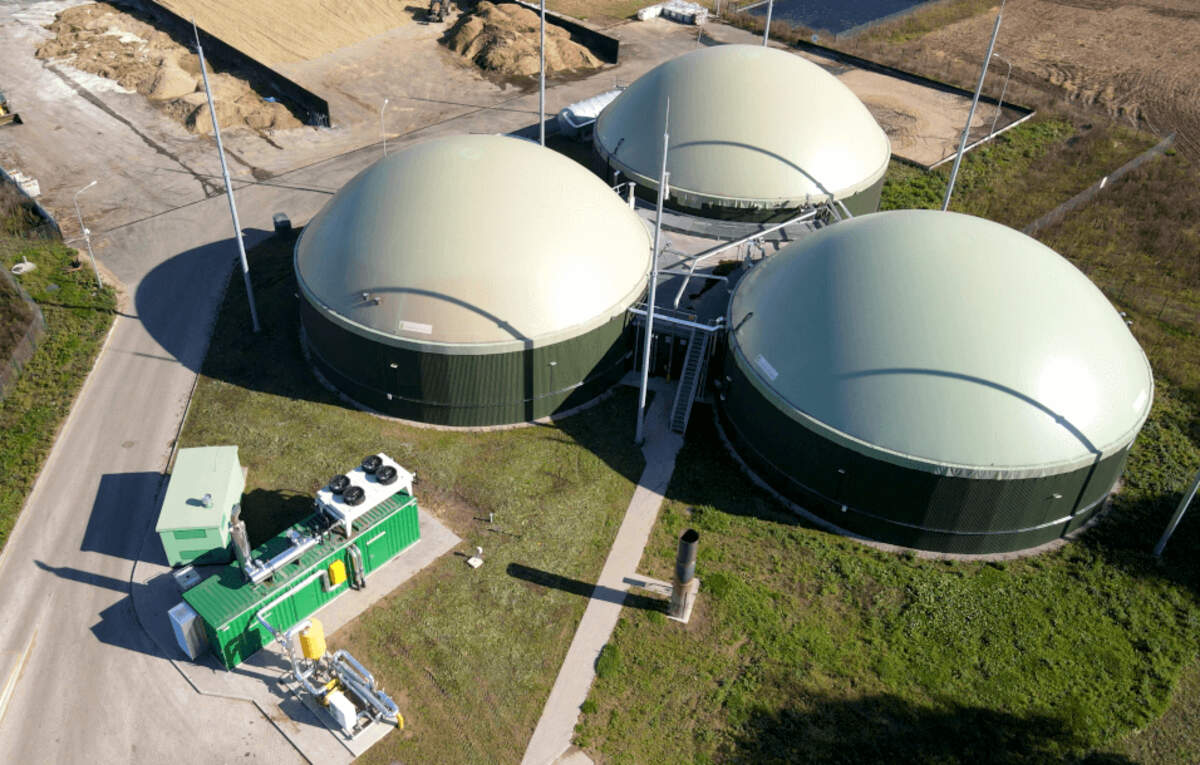
While the broader clean energy transition garners significant attention, certain strategic solutions, despite strong policy backing, often struggle with widespread implementation. However, Compressed Biogas (CBG) is rapidly distinguishing itself as a cornerstone of India’s long-term energy security framework. Recognized for its substantial potential to bolster domestic bioenergy generation and distribution capabilities, CBG is explicitly enshrined within the National Biofuel Policy. Its strategic importance in reducing India’s reliance on volatile international LNG markets has catalyzed robust governmental support, notably through the transformative Sustainable Alternative Towards Affordable Transportation (SATAT) scheme.
Government Backing: Fueling the CBG Revolution
The SATAT program, meticulously designed to accelerate the production and widespread utilization of CBG, has already generated significant industry enthusiasm. Evidence of this interest is clear, with 2,227 active Letters of Intent (LOI) demonstrating developers’ commitment. Operational data from the fiscal year 2024-25 provides an early glimpse into this nascent yet rapidly expanding market: 94 operational CBG plants collectively sold an impressive 31,422 tons of CBG. This translates to an average annual sales volume of approximately 334.26 tons per plant, or a daily output of about 0.91 tons per facility. While these initial figures might appear modest in isolation, they represent the foundational steps of a substantial market evolution, signaling ripe opportunities for further investment as the ecosystem matures and scales.
De-risking Investment: Financial Catalysts for Bioenergy
The Indian government is proactively cultivating a highly supportive environment for the entire CBG value chain, from production and transmission to end-user consumption, through targeted and substantial financial incentives. A significant outlay of ₹564.75 crore has been earmarked from FY 2023-24 through FY 2026-27 for a dedicated scheme focused on procuring essential biomass aggregation machinery. This initiative offers crucial financial assistance, ranging from ₹1.8 crore to ₹9.0 crore, for projects establishing plant capacities of at least 4 tons per day (tpd). Such direct financial backing significantly de-risks the initial capital expenditure for developers, making CBG projects more attractive to private capital.
Connecting the Grid: Infrastructure for Growth
Further bolstering the sector’s long-term viability, a substantial allocation of ₹994.50 crore has been designated for FY 2024-25 and FY 2025-26. This funding is specifically channeled towards the development of critical pipeline infrastructure, a key enabler for market integration. The objective is to facilitate the direct injection of biogas from CBG plants into existing City Gas Distribution (CGD) networks, seamlessly integrating this green fuel into the nation’s energy grid. The scheme targets 100 CBG plants for this crucial infrastructure upgrade, with financial assistance planned for 50 projects in each of the two fiscal years. Preference in selection is strategically given to larger facilities, specifically those with a plant capacity exceeding 5 tpd, though a minimum capacity threshold ensures broad participation. This strategic investment in infrastructure is paramount, transforming isolated production facilities into integral components of a national energy system, thereby enhancing market access and demand stability for CBG producers.
The Investor Thesis: India’s Domestic Gas Horizon
For investors in the oil and gas sector, India’s pivot towards domestic gas, particularly through initiatives like CBG, represents a compelling growth story. The robust policy support, significant financial incentives, and planned infrastructure development combine to create a highly favorable environment for capital deployment. The nation’s drive to reduce its reliance on imported LNG, a market often characterized by price volatility, positions CBG as a strategic imperative for energy security and economic stability. As India continues its rapid industrialization and urbanization, the demand for reliable and affordable energy sources will only intensify. Investing in India’s domestic gas and bioenergy sector is not merely an environmental play; it is a strategic investment in a market with inherent demand, strong government patronage, and significant long-term growth potential, offering a unique opportunity to capitalize on one of the world’s most dynamic energy transitions.
