India can build on its clean cooking gains by scaling decentralised biogas and electric cooking alongside liquefied petroleum gas (LPG) and piped natural gas (PNG), according to a new report by the International Institute for Sustainable Development (IISD).
The report titled ‘India’s Clean Cooking Shift: Scaling Non-Fossil Fuel Solutions’, stated that non-fossil options — particularly decentralised biogas and electric cooking — can work at scale if supported by finance, service networks and targeted regulatory measures.
“Building on the success of LPG, India now has an opportunity to gradually widen its clean cooking options by unlocking non-fossil fuel solutions alongside existing fuels,” said Sunil Mani, policy advisor at IISD.
“A more diverse cooking energy mix can strengthen energy security, support climate goals, and help manage costs for both families and the government over time. The question is not whether LPG has worked—it clearly has. The question is how India builds on this success while gradually reducing long-term costs, import dependence, and emissions,” added Sunil.
Over the past decade, India has expanded access to clean cooking through initiatives such as the Pradhan Mantri Ujjwala Yojana and the rapid expansion of city gas distribution networks. LPG connections doubled from 16.6 crore in 2016 to more than 33 crore in 2025, while domestic PNG connections rose from about 0.33 crore to over 1.6 crore. However, 37 per cent of households still rely primarily on solid fuels for cooking.
The report notes that connection growth has outpaced actual fuel consumption. Domestic LPG consumption increased 48 per cent between 2015–16 and 2023–24, while annual PNG consumption rose only 11 per cent between 2021–22 and 2023–24 despite a 40 per cent rise in connections. This gap suggests affordability constraints, particularly among low-income and rural households.
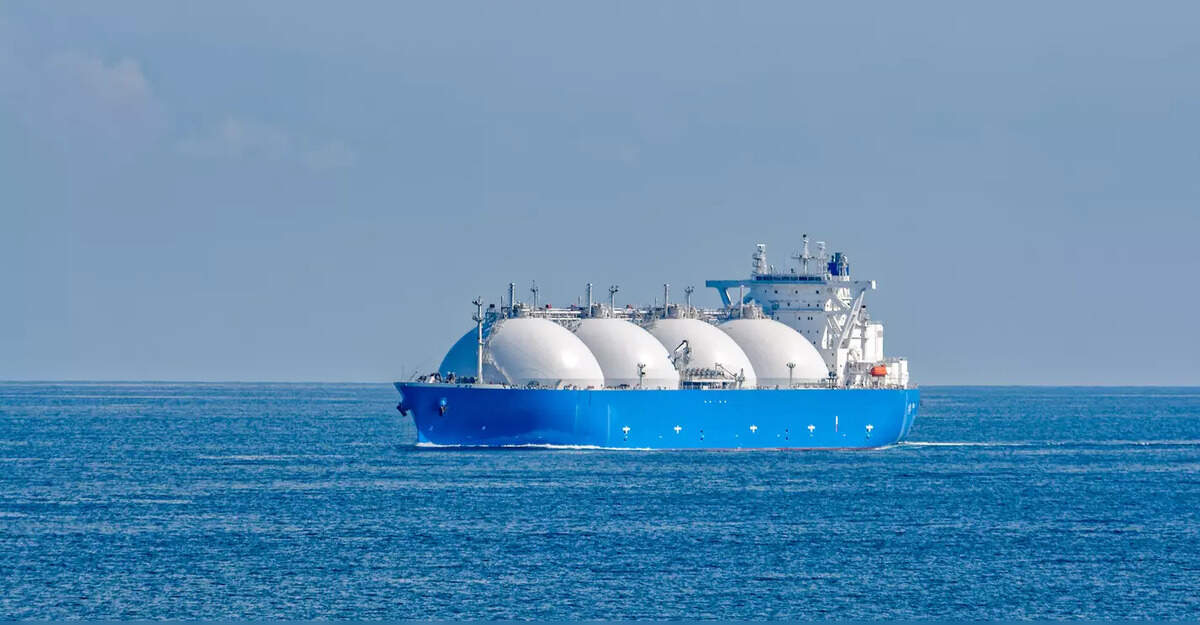
India’s annual LPG consumption more than doubled between 2011–12 and 2024–25, rising from around 15 million metric tonnes to 31 million metric tonnes, with more than 93 per cent of incremental demand met through imports. According to the report, gradually scaling non-fossil alternatives alongside LPG and PNG can improve affordability, strengthen energy security and align with climate commitments.
Field research in Punjab, Rajasthan, Uttarakhand, Karnataka, and Delhi found that decentralised biogas systems can provide a reliable renewable option in rural areas. Households adopting biogas reduced firewood use by around 70 per cent annually, reporting improved health outcomes and high satisfaction where operations, maintenance networks and financing support were available. Prefabricated models performed better due to faster installation and lower maintenance needs. However, upfront costs remain a major barrier, even with 40 per cent capital subsidies.
In urban and peri-urban areas, electric cooking is emerging as a cost-competitive alternative. At current prices, annual cooking costs are estimated at ₹6,800–6,900 for LPG or PNG, compared with ₹5,800–5,900 for electric cooking. The cost advantage remains even with moderate increases in electricity tariffs.
Despite this, adoption of electric cooking remains limited due to high appliance costs, concerns about electricity reliability, behavioural barriers and gaps in after-sales service. Many households currently use electric cooking as a supplementary rather than primary solution.
The analysis suggests that wider urban adoption of electric cooking could reduce LPG demand and imports in the near term. Under higher adoption scenarios, urban electric cooking could halve LPG demand by mid-century, easing import dependence and reducing subsidy pressures.
“While the impact by 2030 may be modest, sustained adoption could deliver significant subsidy savings, potentially up to ₹2.4 trillion by 2050. Over time, these savings could be utilised to further support clean cooking consumption among low-income households,” Mani said.
The report recommends a sequenced approach, with LPG and PNG continuing to serve as primary fuels while non-fossil solutions are scaled through targeted policy measures. These include lowering upfront costs through incentives, redirecting a portion of future LPG subsidy savings to support biogas and electric cooking, integrating clean cooking diversification into broader climate and energy strategies, and strengthening local service networks to ensure sustained adoption.
“India’s clean cooking story is a success—but it is also evolving. Including non-fossil cooking solutions now allows the country to protect past gains, reduce future risks, and align clean cooking with a net-zero, fiscally resilient energy system,” Mani concluded.