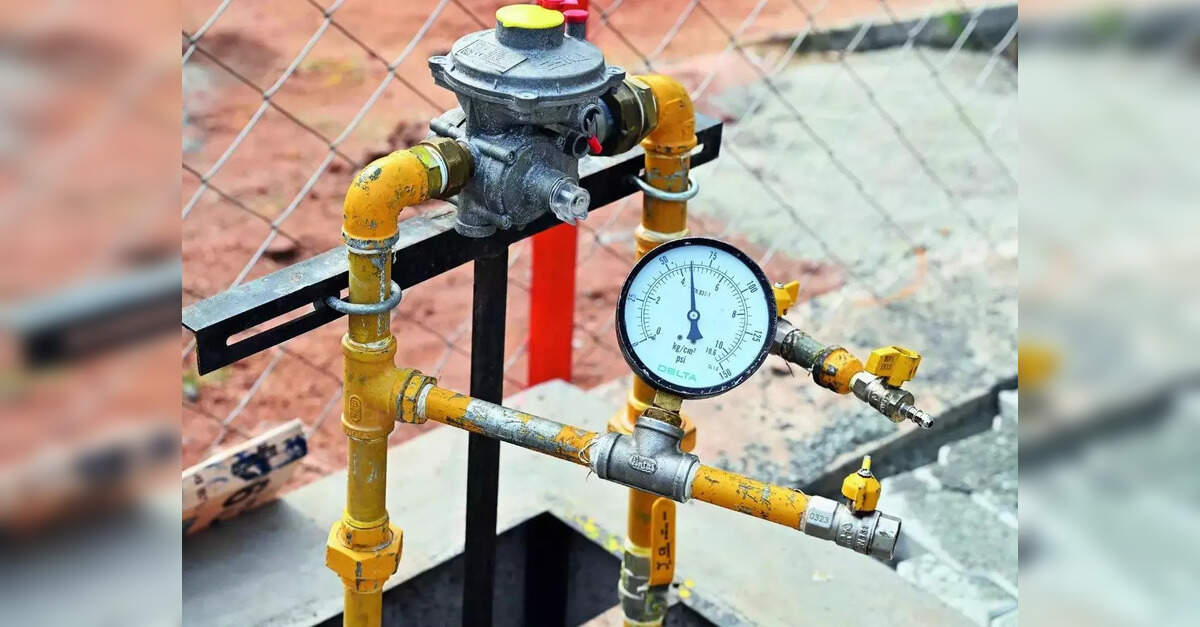
In a volatile global energy landscape, local supply assurances can offer a crucial anchor for investor confidence. Indraprastha Gas Limited (IGL) recently moved to quell concerns regarding the stability of piped natural gas (PNG) supply to essential services, specifically hospitals, in its operational areas. The company’s clarification, issued on March 15, 2026, underscored that no disruptions have occurred, nor are any expected, despite a precautionary advisory sent on March 9. This advisory, prompted by “uncertainties in global LNG supply,” highlights the delicate balance energy distributors must strike between proactive risk management and maintaining market calm. For investors, this event provides a micro-level insight into the broader macro challenges facing the natural gas sector and the resilience of distribution networks.
Navigating Global LNG Volatility Amidst Local Assurance
IGL’s recent clarification provides a valuable lens through which to examine the current state of gas distribution and the impact of global LNG dynamics on local markets. The company unequivocally stated that PNG supply to hospitals remains uninterrupted, retracting any implications of an impending halt. The advisory issued to hospitals was a purely precautionary measure, recommending contingency planning for alternate fuel arrangements, in line with established Gas Sale Agreement clauses. This proactive stance, while initially misconstrued, ultimately reinforces IGL’s commitment to supply reliability, particularly for critical infrastructure.
However, the underlying reason for the advisory – “uncertainties in global LNG supply” – is a point of significant interest for energy investors. As of today, Brent crude trades at $92.9 per barrel, reflecting a marginal dip of 0.36% within a daily range of $92.57 to $94.21. WTI crude follows a similar pattern, currently at $89.24, down 0.48% for the day. While these are crude prices, their movements often serve as a bellwether for broader energy market sentiment, including natural gas. The recent 14-day trend for Brent, which saw prices decline from $101.16 on April 1, 2026, to $94.09 on April 21, 2026, indicates a period of easing, yet overall prices remain elevated. This sustained high-price environment, coupled with geopolitical tensions, continues to fuel concerns about the stability and affordability of LNG imports globally. For gas distributors like IGL, navigating these international market fluctuations while ensuring domestic supply stability is a key operational and financial challenge, making their ability to maintain uninterrupted service a strong indicator of management efficacy.
The Persistent Shadow of Supply Chain Risk
The IGL incident, despite its positive resolution, brings to the fore the persistent investor concern regarding energy supply chain resilience. The company’s advisory, even if purely precautionary, underscores how quickly global supply tremors can necessitate local contingency planning. For investors evaluating midstream and downstream gas companies, the robustness of their supply agreements, infrastructure, and crisis management protocols is paramount. Questions around “what happens if a major LNG supplier faces disruption?” or “how diversified are a company’s gas sources?” are becoming increasingly critical.
Beyond the immediate context, the episode serves as a reminder that even in localized, essential services, global market forces are never far away. Companies that can demonstrate a strong track record of managing these external pressures, by coordinating effectively with suppliers and maintaining robust internal systems, are likely to attract more favorable investor attention. This also extends to their ability to manage public perception, ensuring that necessary precautionary measures are communicated clearly to avoid market panic or misinterpretation.
Forward-Looking Indicators for the Gas Market
Looking ahead, investors are keenly focused on upcoming data releases and events that could further shape the outlook for natural gas and the broader energy complex. Many investors are asking about the direction of WTI and the predicted price of oil per barrel by the end of 2026, reflecting a desire for clarity in a murky market. While the IGL news is specific to a regional gas market, the global energy context heavily influences investor appetite for all energy assets.
Several key events in the next two weeks will offer fresh insights. Today, April 22, 2026, marks the release of the EIA Weekly Petroleum Status Report, which will provide crucial data on crude oil and refined product inventories, production, and demand. Following this, the Baker Hughes Rig Count on April 24, 2026, will offer a snapshot of drilling activity, indicating future supply trajectories. Another significant data point will be the EIA Short-Term Energy Outlook on May 2, 2026. This report typically provides projections for supply, demand, and prices across various energy commodities, offering a broader macro perspective that can influence sentiment towards natural gas investments. Any shifts in these reports, particularly those signaling tighter global supply or increased demand, could exacerbate the “uncertainties in global LNG supply” that prompted IGL’s initial advisory. Investors should monitor these releases closely to gauge the potential for further volatility in the broader energy market, which could indirectly impact gas distributors by affecting input costs or overall market confidence.
Investment Implications: Stability in a Turbulent Sector
The IGL incident, while localized, serves as a crucial case study for investors in the energy distribution sector. In an environment where global energy markets face persistent uncertainties, exemplified by the ongoing high crude prices and the stated concerns over LNG supply, companies demonstrating unwavering commitment to supply stability for critical services present a compelling investment thesis. For investors asking about the resilience of specific energy companies like Repsol or the broader market outlook, IGL’s ability to swiftly clarify and assure supply is a positive signal.
While the immediate focus of IGL’s statement was on hospitals, the implications extend to commercial and residential customers as well. A company that can reliably manage essential service supply during periods of global uncertainty is likely well-equipped to manage broader demand. Investors should prioritize companies with robust supply chain management, diversified sourcing strategies, and strong operational track records. The IGL clarification reinforces the value of due diligence into a company’s ability to not just produce or transport energy, but to reliably deliver it to the end-user, even when global markets are signalling caution. This focus on operational resilience and transparent communication becomes increasingly vital for navigating the dynamic and often unpredictable energy investment landscape.


