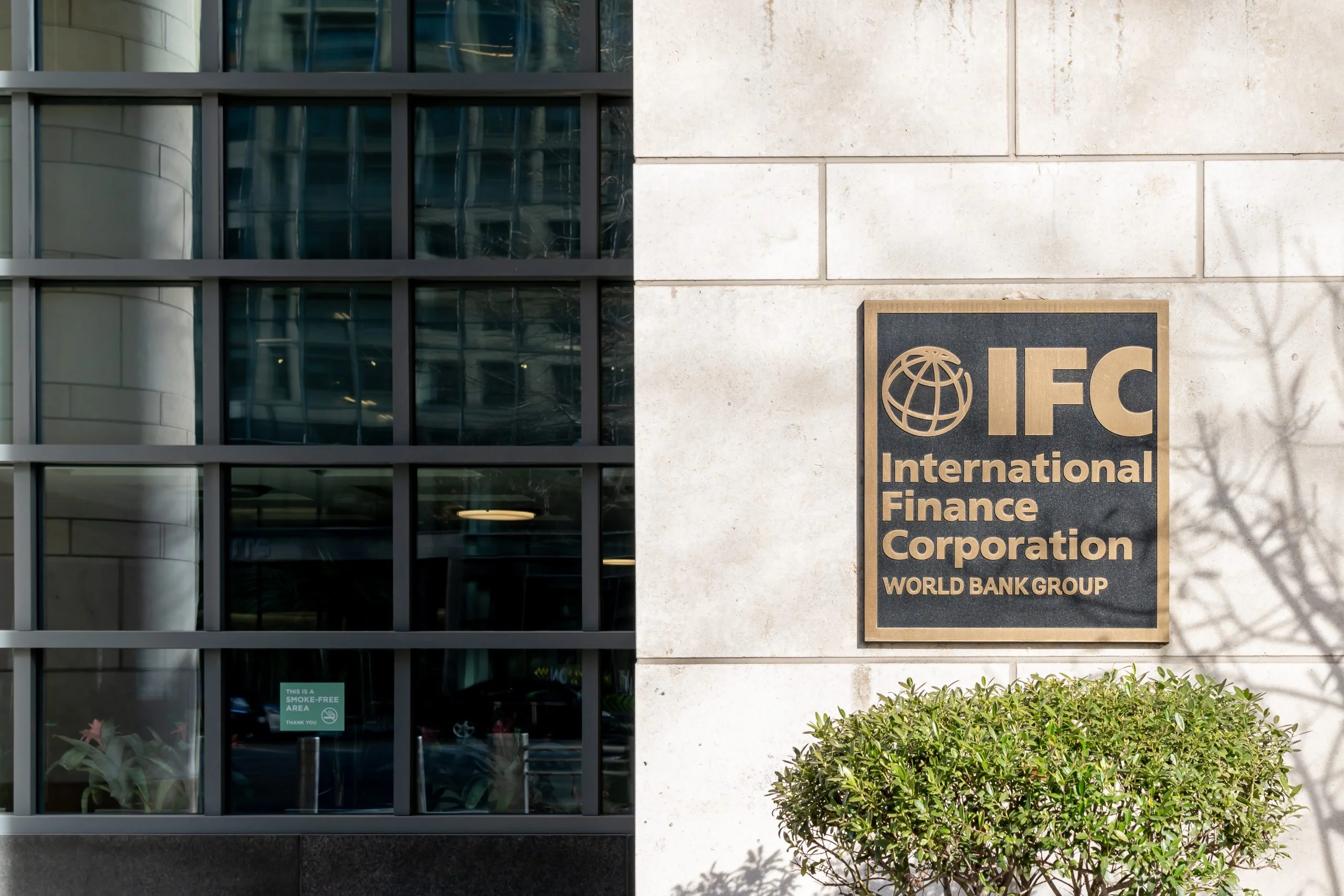
The global energy landscape is undergoing a profound transformation, and while much of the investment spotlight remains fixed on renewable power and traditional fossil fuels, a critical, often overlooked, frontier is emerging: agriculture. The International Finance Corporation (IFC), a key player in development finance, has made a significant statement by underscoring its commitment to agri-tech funding, signaling a strategic pivot towards solutions that address both climate vulnerability and agricultural emissions. For oil and gas investors, this isn’t just a story about farming; it’s a clear indication of where long-term capital is increasingly flowing and how the definition of “energy transition” continues to broaden, impacting investment strategies across the entire energy complex.
The Expanding Frontier of Climate Capital: Agri-Tech’s Rise
The IFC’s sustained emphasis on scaling agri-tech solutions, particularly in the Global South, marks a crucial evolution in climate finance. Agriculture, a sector deeply susceptible to extreme weather events, is also a substantial contributor to global greenhouse gas emissions. The reported focus on innovations ranging from methane-reducing livestock technologies and climate-resilient crop varieties to microbial fertilizers highlights a comprehensive approach to decarbonization that extends far beyond the power grid or transportation. This strategic direction, where development finance institutions (DFIs) like the IFC act as catalysts, is designed to de-risk early-stage investments and shape policy environments that attract private capital. For energy investors, this signals a diversification of climate-focused opportunities, moving beyond direct energy projects into ancillary sectors critical for global sustainability. It suggests that companies looking to align with long-term capital flows might need to broaden their ESG mandates to include these less conventional, but equally impactful, areas of innovation.
Navigating Volatility: A Contrast in Capital Flows
While long-term capital like the IFC’s is strategically positioning itself for the future of food and climate, the traditional energy markets are grappling with immediate volatility. As of today, Brent Crude trades at $90.38 per barrel, a sharp 9.07% decline within the day, with its range spanning $86.08 to $98.97. Similarly, WTI Crude stands at $82.59, down 9.41%, having traded between $78.97 and $90.34. Gasoline prices have also seen a significant dip, currently at $2.93, representing a 5.18% decrease. This daily snapshot follows a more extended downtrend, with Brent having shed $20.91, or 18.5%, from $112.78 on March 30th to $91.87 just yesterday. This stark contrast between the immediate, often geopolitical-driven fluctuations in crude markets and the IFC’s consistent, long-term commitment to sustainable agri-tech underscores a crucial dilemma for investors: balancing the allure of short-term gains and losses in traditional energy with the structural shifts driving capital towards resilient, decarbonized systems. The recent volatility highlights the inherent risks in a market heavily influenced by supply-demand imbalances and external shocks, making the stability offered by foundational climate investments increasingly attractive.
Forward Outlook: OPEC+ Decisions and Inventory Dynamics
Looking ahead, the immediate trajectory of crude prices will be heavily influenced by several key events in the coming days. The OPEC+ Joint Ministerial Monitoring Committee (JMMC) meets on April 18th, followed by the full Ministerial Meeting on April 19th. These gatherings are critical for investors seeking clarity on production quotas and potential supply adjustments, which could significantly impact price stability after the recent declines. Further insights into market fundamentals will arrive with the API Weekly Crude Inventory report on April 21st and the EIA Weekly Petroleum Status Report on April 22nd, providing crucial data on U.S. crude stockpiles and demand indicators. This pattern repeats the following week, with new API and EIA reports on April 28th and 29th, respectively. Additionally, the Baker Hughes Rig Count on April 24th and May 1st will offer a pulse check on North American drilling activity. These upcoming calendar events are pivotal for investors attempting to forecast short-to-medium term price movements, especially in light of the recent sharp declines. Any unexpected shifts in production policy or inventory data could either exacerbate current trends or provide a much-needed floor to prices, directly addressing investor concerns about the near-term market direction.
Investor Focus: Long-Term Vision Amidst Short-Term Pressures
OilMarketCap.com readers are clearly attuned to both the immediate market dynamics and the broader strategic shifts. Questions like “What do you predict the price of oil per barrel will be by end of 2026?” and “What are OPEC+ current production quotas?” dominate investor queries, reflecting a dual concern for near-term stability and long-term outlook. While the upcoming OPEC+ meetings will provide critical insights into production quotas, addressing the end-of-2026 price prediction requires a holistic view. The IFC’s commitment to agri-tech serves as a long-term signal: capital is increasingly being directed towards solutions that mitigate climate risk across all sectors, indirectly influencing the perceived long-term demand for fossil fuels. Integrated energy companies, for instance, which some readers are tracking (e.g., “How well do you think Repsol will end in April 2026?”), are increasingly diversifying their portfolios into areas like renewables and sustainable solutions. This diversification isn’t just about reducing emissions; it’s about positioning for a future where climate-resilient sectors attract significant institutional capital, potentially offering more stable returns than traditional upstream oil and gas. For investors, understanding the blend of immediate OPEC+ decisions, inventory trends, and the strategic redirection of long-term capital into areas like agri-tech is key to navigating the complex and evolving energy investment landscape.


