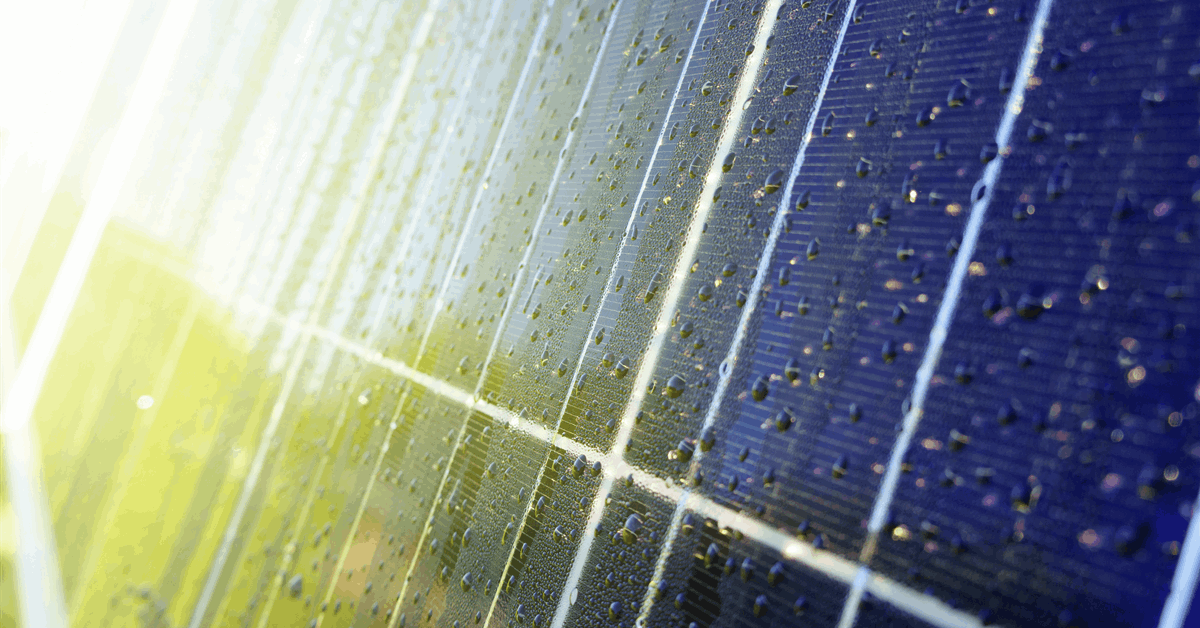
The global energy landscape continues its dynamic shift, presenting both challenges and opportunities for astute investors. While traditional oil and gas markets remain a critical focus, the accelerating energy transition is increasingly underscoring the strategic value of renewable asset development. The recent commissioning of Iberdrola España’s Ciudad Rodrigo photovoltaic plant in Salamanca, one of the largest such facilities in Castilla y Leon, serves as a compelling case study for this evolving investment paradigm, highlighting the significant capital flow and long-term potential in green energy infrastructure.
The Shifting Sands of Energy Investment: Renewables Gain Momentum
In an investment climate frequently buffeted by geopolitical tensions and supply-demand imbalances, the appeal of diversified energy portfolios is paramount. The launch of Iberdrola’s 316-megawatt (MW) Ciudad Rodrigo solar farm, capable of supplying clean energy to over 155,000 households and averting 75,000 tons of carbon dioxide emissions annually, illustrates a clear pivot towards stable, sustainable energy generation. This substantial project, representing an investment of EUR 200 million ($234.4 million) and covering 439 hectares with over 460,000 solar panels, offers a stark contrast to the inherent volatility observed in crude markets.
As of today, Brent crude trades at $98 per barrel, marking a 1.4% decline, while WTI sits at $89.74, down 1.57% within intraday ranges of $97.92-$98.58 and $89.57-$90.21 respectively. This recent dip follows a significant 12.4% drop over the past two weeks, with Brent moving from $112.57 on March 27th to $98.57 yesterday, April 16th. Such pronounced price swings underscore the unpredictable nature of traditional hydrocarbon assets and reinforce the strategic imperative for investors to evaluate opportunities in sectors offering more predictable long-term cash flows, such as large-scale renewable projects.
Capitalizing on Green Energy: Iberdrola’s Strategic Expansion
Iberdrola’s investment in Ciudad Rodrigo is not an isolated event but a continuation of a well-defined strategy, executed in partnership with institutional investors like Norges Bank, signaling strong confidence from global capital markets in the renewable energy sector. The project’s deep integration with local economies, utilizing suppliers like Tecinsa for substations, Perez Coco for cranes, and local firms for concrete and aggregates, demonstrates a commitment to sustainable development beyond mere energy production. Furthermore, Iberdrola has woven extensive environmental and cultural preservation efforts into the project’s fabric, including the restoration of Habitats of Community Interest, creation of new amphibian ponds, installation of insect hotels and nest boxes, and cultural sponsorships like the “Astrobriga Solar System” model. These initiatives not only enhance local biodiversity and tourism but also strengthen the project’s ESG credentials, an increasingly vital factor for attracting responsible capital.
The Ciudad Rodrigo plant significantly bolsters Iberdrola’s already impressive footprint in Castilla y Leon, a region where the company boasts an installed renewable energy capacity of 6,297 MW. With this new facility, Iberdrola now operates six photovoltaic plants across Palencia, Burgos, and Salamanca, collectively contributing 890 MW of clean energy. This extensive portfolio, which also includes hydroelectric, wind power, and Spain’s pioneering Ballestas and Casetona wind-solar hybrid plant, showcases Iberdrola’s leadership in renewable integration and its ability to execute complex, multi-faceted energy projects that deliver both environmental benefits and robust financial returns.
Navigating Oil Market Dynamics: Upcoming Catalysts and Investor Focus
While the long-term trajectory points towards decarbonization, short-to-medium term investment decisions in the energy sector remain heavily influenced by traditional crude market dynamics. Our proprietary reader intent data reveals a strong focus on crude fundamentals, with investors frequently asking about “OPEC+ current production quotas” and “the current Brent crude price.” These questions are particularly pertinent as we approach a series of critical market events over the next two weeks that will undoubtedly shape sentiment and price action.
Key on the calendar are the OPEC+ Joint Ministerial Monitoring Committee (JMMC) meeting on April 18th, followed by the Full Ministerial OPEC+ Meeting on April 20th. These gatherings have the potential to introduce significant volatility, depending on any decisions regarding production quotas. Any unexpected shifts could send ripples through the market, impacting global supply expectations and, consequently, crude prices. Complementing these are the weekly API and EIA Crude Inventory reports scheduled for April 21st, 28th and April 22nd, 29th respectively. These reports offer vital insights into U.S. supply and demand balances, providing a granular view of market health. Additionally, the Baker Hughes Rig Count on April 17th and 24th will offer crucial data on drilling activity, signaling future production trends. For investors, monitoring these events is essential for tactical positioning within the traditional energy sector, but it also highlights the persistent external dependencies and inherent risks compared to the more insulated, long-term growth profile of well-capitalized renewable assets.
Long-Term Outlook: Diversification and Decarbonization as Investment Pillars
The strategic commissioning of large-scale renewable projects like Ciudad Rodrigo, juxtaposed against the backdrop of an intermittently volatile crude market, underscores a fundamental truth for energy investors: diversification is key. While the global demand for hydrocarbons will persist for the foreseeable future, the accelerating energy transition and the imperative of decarbonization are channeling significant capital into renewable energy infrastructure. Projects that demonstrate strong operational capabilities, strategic partnerships with institutional investors, and a commitment to ESG principles are increasingly attractive.
For investors navigating this complex landscape, a balanced approach is critical. Maintaining exposure to the core oil and gas sector, particularly to companies with strong operational efficiencies and robust balance sheets, remains prudent. However, a growing allocation to proven renewable energy developers and assets, which offer stable, long-term returns and align with global sustainability goals, represents a forward-looking strategy. The success of Iberdrola’s latest solar venture serves as a powerful reminder that the future of energy investing will increasingly be defined by innovation, scale, and a steadfast commitment to a cleaner, more sustainable energy future.


