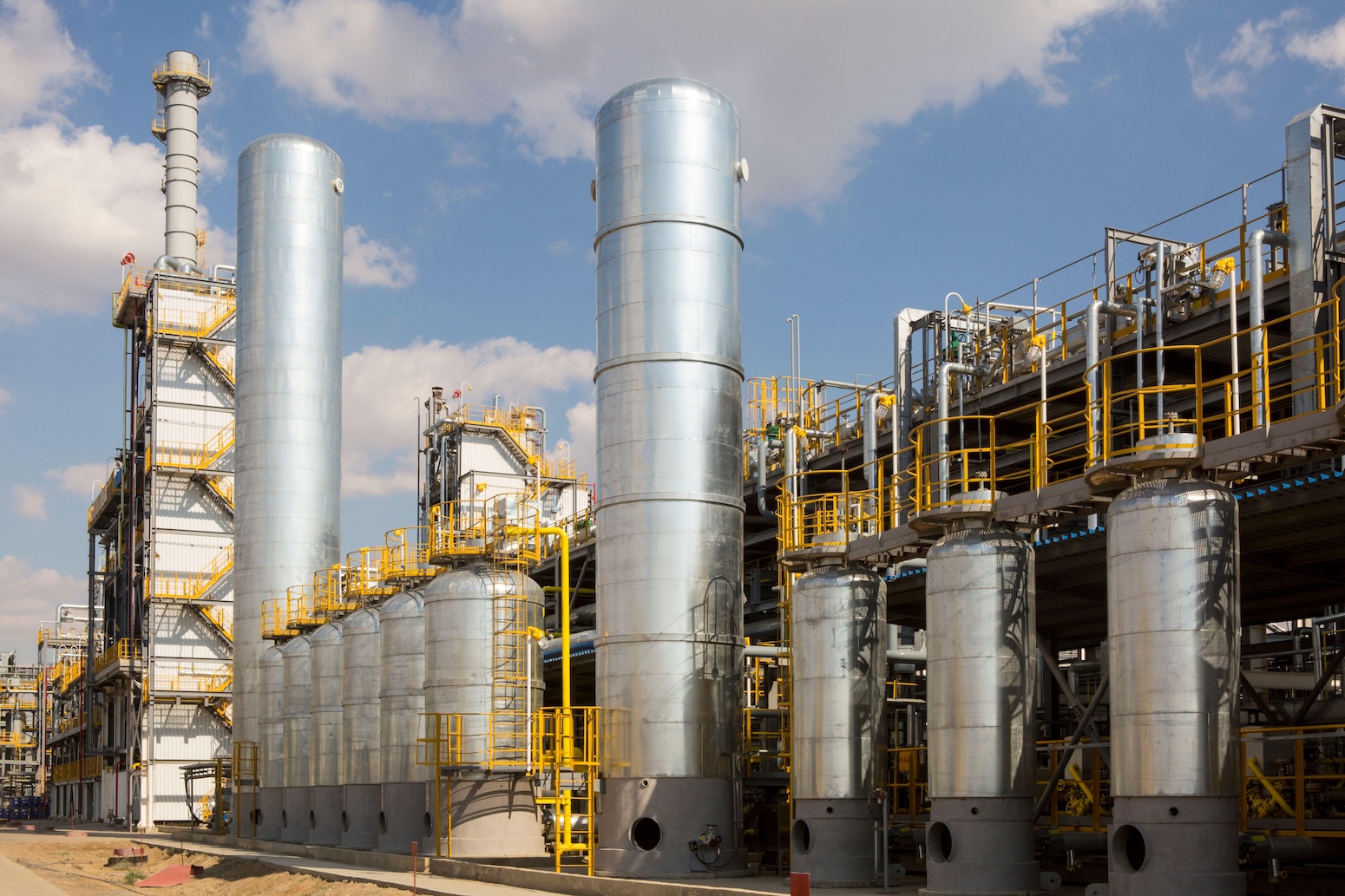
The global energy landscape is undergoing a profound transformation, driven by an urgent push towards decarbonization. Hydrogen, often hailed as a cornerstone of this green transition, has long been championed for its clean-burning properties. However, new scientific insights are revealing a more complex picture, suggesting that the warming impact of hydrogen has been significantly underestimated. This emerging understanding presents a critical re-evaluation point for investors in both traditional oil and gas and the burgeoning hydrogen economy, demanding a closer look at the true environmental footprint and long-term viability of various energy pathways.
Hydrogen’s Hidden Climate Footprint: A Methane Multiplier
Recent comprehensive analysis, published in a leading scientific journal, outlines the intricate global hydrogen cycle and uncovers a significant, yet previously overlooked, indirect warming effect. While hydrogen itself is not a greenhouse gas, its increasing atmospheric presence is effectively “supercharging” the warming impact of methane, a potent greenhouse gas second only to CO2 in human-caused global warming. The mechanism is clear: hydrogen reacts with hydroxyl radicals, the atmosphere’s natural “detergents” that typically break down methane. By consuming these radicals, hydrogen extends methane’s atmospheric lifetime, leading to higher concentrations and greater warming. The study indicates that this indirect warming has contributed approximately 0.02°C over the past decade alone. For investors betting on green hydrogen as a primary climate solution, this revelation underscores the paramount importance of leak prevention in future hydrogen infrastructure projects. The industry must move beyond simply assessing CO2 emissions and actively mitigate hydrogen leaks to truly deliver on its promise as a clean alternative to fossil fuels.
Navigating Volatility: Market Signals and The Green Premium
The broader energy market continues to grapple with significant volatility, providing a backdrop against which these new climate insights must be weighed. As of today, Brent Crude trades at $91.87, marking a sharp 7.57% decline, while WTI Crude stands at $84, down 7.86%. This immediate downturn follows a substantial 18.5% drop for Brent from $112.78 just two weeks ago, highlighting the unpredictable nature of global energy prices. Gasoline prices have also seen a notable decrease, currently at $2.95, a 4.85% reduction. Such price fluctuations have direct implications for the economic viability and competitive positioning of alternative energy sources, including hydrogen. A sustained period of lower oil prices could reduce the immediate economic pressure to switch to more expensive green alternatives, potentially slowing investment. However, the escalating climate imperative, now further complicated by hydrogen’s indirect warming potential, maintains pressure on companies to invest in truly sustainable solutions. Investors must discern between genuine green innovation and projects that merely shift or obscure environmental risks, demanding a premium for technologies with proven, comprehensive climate benefits.
Investor Scrutiny and Future-Proofing Energy Portfolios
Our proprietary reader intent data indicates a strong focus among investors on long-term market trajectories and portfolio resilience. Questions such as “what do you predict the price of oil per barrel will be by end of 2026?” consistently rank high, alongside inquiries about specific diversified energy players like Repsol and the data powering our market insights. This deep engagement reflects a clear understanding that future energy returns will hinge on navigating complex market dynamics and evolving environmental regulations. The new understanding of hydrogen’s climate impact adds another layer of due diligence for investors. Companies touting “green hydrogen” projects must now demonstrate robust leak detection and mitigation strategies. For traditional oil and gas companies diversifying into hydrogen, this means ensuring that their investments genuinely reduce overall climate impact, rather than inadvertently amplifying other greenhouse gases. The market will increasingly reward transparency and a holistic approach to emissions management, pushing for technologies and projects that address the full spectrum of climate risks.
Upcoming Events and Strategic Adjustments
The immediate future holds several key events that will shape both traditional oil and gas markets and the broader energy transition narrative. A critical OPEC+ Ministerial Meeting is scheduled for April 18th, which could lead to shifts in production quotas and impact crude prices globally. Following this, the API Weekly Crude Inventory report on April 21st and the EIA Weekly Petroleum Status Report on April 22nd will offer fresh insights into supply-demand balances. These are followed by the Baker Hughes Rig Count on April 24th, providing a pulse on upstream investment activity. Similar reports on April 28th (API), April 29th (EIA), and May 1st (Baker Hughes) will continue to paint a dynamic picture. While these events primarily focus on crude, their outcomes will indirectly influence the pace and strategic direction of hydrogen development. Stronger crude markets might allow traditional players to accelerate diversification, while weaker markets could necessitate a more cautious approach. Furthermore, the newly recognized methane-hydrogen interplay highlights the need for a coordinated approach to emissions reduction. Future policy discussions, potentially influenced by these scientific findings, could introduce stricter methane emission controls across the entire energy value chain, impacting exploration, production, and even the nascent hydrogen infrastructure. Investors must anticipate these regulatory shifts and position their portfolios for a future where all forms of energy, ‘green’ or otherwise, face enhanced environmental scrutiny.