The delicate balance of European energy security is once again under threat, as Hungary escalates rhetoric against Ukraine, accusing Kyiv of orchestrating an “oil blockade” through the vital Druzhba pipeline. This development, marked by Hungary’s deployment of troops to critical energy infrastructure and heightened national security alerts, casts a fresh shadow over regional supply stability. For oil and gas investors, this isn’t merely a political spat; it’s a stark reminder of the geopolitical fragility embedded within global energy supply chains, demanding careful consideration of market impacts and forward-looking strategies.
Geopolitical Friction Ignites Supply Concerns
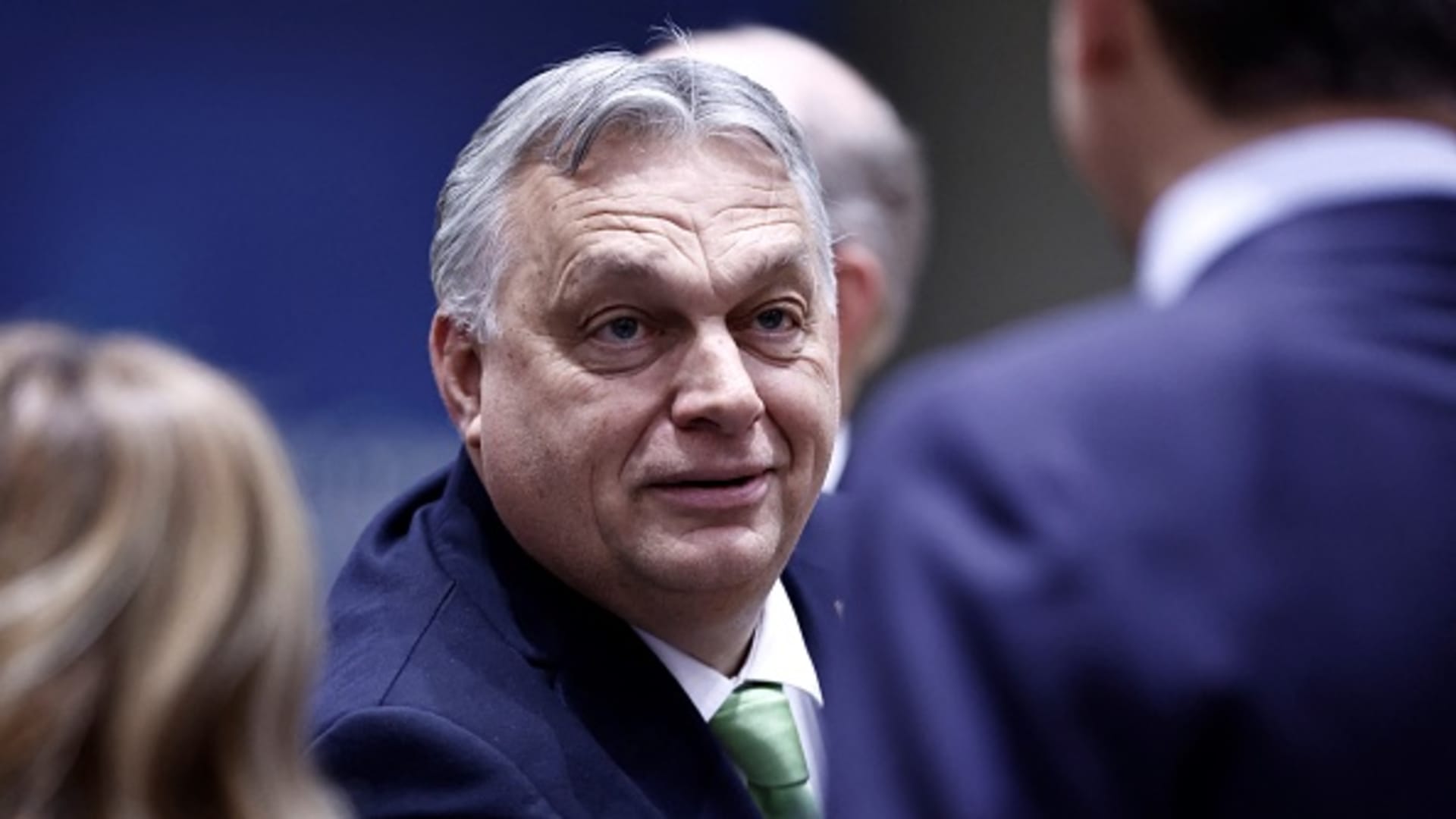
Hungary’s Prime Minister Viktor Orban has directly accused Ukraine of deliberately delaying the reopening of the Druzhba pipeline, a crucial conduit for Russian oil to Hungary and Slovakia. While Ukraine cited damage from a Russian strike a month ago as the reason for the initial shutdown, Orban’s government now asserts the prolonged closure is “political” rather than “technical,” applying pressure on Budapest and Bratislava. In response, Hungary has taken the extraordinary step of deploying soldiers and equipment to key energy facilities, including power plants, distribution stations, and control centers, with increased police patrols and a ban on drones in the border region. This aggressive posture, coming just weeks before Hungary’s parliamentary elections on April 12, amplifies existing tensions between the EU, Ukraine, and Russia, highlighting the deep divisions over energy policy and sanctions that continue to plague the bloc. The implications for regional energy supply, particularly for landlocked EU nations reliant on pipeline imports, are significant, adding a layer of uncertainty to an already complex geopolitical landscape.
Market Dynamics and Investor Sentiment Amidst Geopolitical Jitters
Despite the recent flare-up in Eastern Europe, the broader crude oil market has seen significant shifts. As of today, Brent Crude trades at $93.86, marking a +0.66% gain for the day, with WTI Crude similarly up by +0.61% to $90.22. However, this daily uptick belies a more substantial trend: Brent has experienced a notable decline of nearly 20% over the past two weeks, dropping from $118.35 on March 31 to $94.86 by April 20. This stark contrast between recent bullish momentum and a significant medium-term pullback leaves many investors pondering the immediate and future trajectory of crude prices. Indeed, a primary concern among our readers this week is “Is WTI going up or down?” and “What do you predict the price of oil per barrel will be by end of 2026?”
The current market data suggests that while daily trading can react to various inputs, including speculative buying or broader economic sentiment, the market appears to be absorbing immediate geopolitical risks like the Druzhba pipeline situation without a dramatic, sustained price spike. This could indicate that traders are either discounting the long-term impact of this particular disruption, or that other bearish factors, such as demand concerns or inventory levels, are currently dominating market sentiment, overshadowing the acute supply-side fears stemming from Eastern Europe. Investors are keenly watching for signs of sustained supply tightness or demand strength to guide their positions, especially given the recent volatility.
Upcoming Catalysts and Forward-Looking Analysis
Looking ahead, the next two weeks are packed with critical energy events that could significantly influence crude oil prices and investor strategies, potentially interacting with the ongoing Druzhba pipeline dispute. Tomorrow, April 21, the OPEC+ Joint Ministerial Monitoring Committee (JMMC) meeting will be a key event. Any discussion or indication from OPEC+ regarding output levels, particularly in light of potential disruptions from Eastern Europe, could send ripples through the market. If the JMMC signals any adjustments, or even reiterates current policy, it will be interpreted against the backdrop of fluctuating supply confidence.
Furthermore, the EIA Weekly Petroleum Status Reports on April 22 and April 29 will provide crucial insights into U.S. crude oil and product inventories. A tightening of inventories could exacerbate fears stemming from the Druzhba situation, while a build could alleviate some pressure. The Baker Hughes Rig Count, scheduled for April 24 and May 1, will offer a glimpse into future U.S. production trends. Perhaps most significant for investors seeking a long-term outlook, the EIA Short-Term Energy Outlook (STEO) on May 2 will present a comprehensive forecast for global supply and demand, directly addressing investor queries about “the price of oil per barrel by end of 2026.” The STEO’s projections will be critical for framing expectations and investment decisions, especially as the market grapples with a mix of geopolitical uncertainty, evolving demand patterns, and the strategic responses of major producers.
Investor Implications and Strategic Considerations
The Hungarian-Ukrainian oil blockade narrative underscores a persistent theme for energy investors: the inherent geopolitical risk in European energy supply. For those holding positions in European refiners or downstream assets, particularly in Central Europe, this situation highlights vulnerability to pipeline disruptions, even those driven by political rather than purely technical factors. The accusations against Ukraine, coupled with Hungary’s robust defense of its critical energy infrastructure, signal a deepening regional rift that could manifest in future supply volatility. Investors should assess the resilience of their portfolios to such regionalized, politically charged disruptions.
Beyond immediate supply concerns, the rhetoric also points to the broader challenges facing the EU’s energy transition and its ongoing efforts to diversify away from Russian energy. While the bloc aims to curb Russian imports, the reliance of countries like Hungary and Slovakia on existing pipeline infrastructure for “cheap Russian energy” remains a significant hurdle. This dynamic suggests continued opportunities for companies involved in alternative supply routes, LNG infrastructure, and domestic energy production within the EU or its allies. Furthermore, the upcoming Hungarian elections add a layer of domestic political risk to energy policy, as leaders leverage energy security for electoral gain. Strategic investors should monitor not only the immediate news flow but also the long-term geopolitical and electoral trends shaping Europe’s energy future, seeking out assets with diversified supply chains or those poised to benefit from the ongoing push for greater energy independence and resilience.