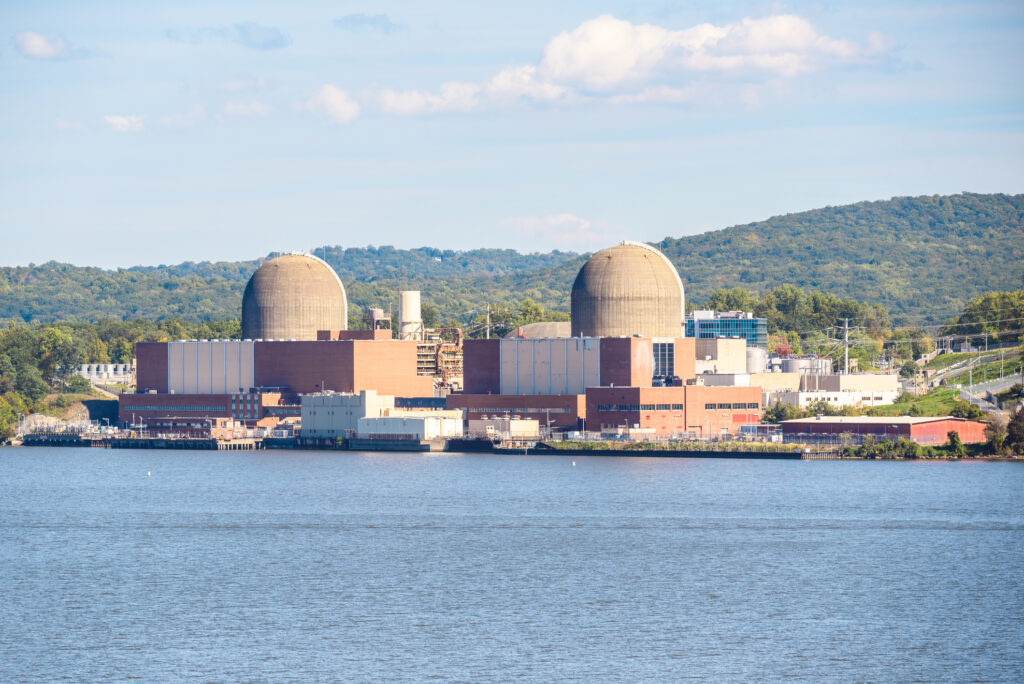
Hungary’s recent announcement regarding its first-ever purchase of U.S. nuclear fuel marks a significant, albeit nuanced, inflection point in Europe’s complex energy security narrative. While Budapest continues to navigate the geopolitical currents surrounding its reliance on Russian oil, this nuclear diversification signals a strategic move to loosen one aspect of Moscow’s entrenched energy influence. For investors, this development underscores the ongoing re-calibration of energy supply chains across the continent, presenting both opportunities in alternative energy sectors and persistent challenges in traditional hydrocarbon markets driven by geopolitical expediency.
Nuclear Power: A Strategic Diversification Beyond Russian Dominance
The decision by Hungary to acquire U.S. nuclear fuel for its Paks nuclear power plant is more than just a procurement deal; it represents a tangible step towards diversifying its critical energy infrastructure. For decades, the Paks plant, built by Russia’s Rosatom, has been reliant on Russian technology and fuel. This new intergovernmental agreement, discussed during high-level meetings between Hungarian and U.S. leaders, directly challenges that unilateral dependency. While the expansion project at Paks remains under Rosatom’s purview, introducing an alternative fuel source from the U.S. reduces Hungary’s vulnerability to potential supply disruptions or technological leverage from a single foreign power. This strategic pivot offers long-term stability for Hungary’s power grid, which relies heavily on nuclear energy, and signals to the broader market that even deeply embedded energy relationships can be re-evaluated and diversified. Investors watching the nuclear sector should note this as a potential precedent for other nations seeking to enhance energy autonomy without abandoning existing infrastructure.
The Enduring Grip of Russian Oil and Geopolitical Tensions
Despite the nuclear shift, Hungary’s stance on Russian oil imports remains steadfast, creating a dual narrative that captures investor attention. Hungarian officials, including Prime Minister Viktor Orban, continue to argue for the necessity of Russian crude to maintain industrial competitiveness, directly challenging U.S. advice against such reliance and seeking exemptions from sanctions. This persistence highlights the economic realities faced by landlocked nations with established pipeline infrastructure tied to Russian supply. Our proprietary reader intent data this week reveals a keen investor focus on the future trajectory of oil prices and global supply dynamics. Questions like “what do you predict the price of oil per barrel will be by end of 2026?” underscore the pervasive uncertainty in the market. Similarly, queries around “OPEC+ current production quotas” highlight the market’s reliance on major producers’ decisions. Hungary’s position, therefore, is not just a regional issue but a microcosm of the broader geopolitical tug-of-war impacting global energy flows and prices. It demonstrates the enduring challenge of disentangling legacy energy dependencies, even amidst political pressure and diversification efforts in other energy sectors.
Market Volatility and Investor Implications in a Shifting Landscape
The backdrop for Hungary’s energy negotiations is a volatile global crude market. As of today, Brent crude trades at $90.38, marking a significant 9.07% decline in a single day, within a range of $86.08-$98.97. WTI mirrors this trend at $82.59, down 9.41%, with a daily range of $78.97-$90.34. This sharp downturn follows a broader trend, with Brent having fallen by nearly 20% from $112.78 just two weeks ago. Such dramatic swings underscore the inherent risks and opportunities in oil and gas investing. While lower crude prices might temporarily alleviate some of the economic pressure on Hungary to diversify its oil sources, the long-term strategic imperative for energy security remains. For investors, this volatility means heightened sensitivity to geopolitical developments, supply disruptions, and policy shifts. Companies with diversified energy portfolios, or those positioned to benefit from energy transition technologies, may be better insulated from these price shocks, while those heavily exposed to specific geopolitical risks, like Russian oil dependency, face increased scrutiny.
Looking Ahead: Key Events Shaping Global Energy and Regional Strategy
The coming weeks are packed with events that will undoubtedly influence the broader energy market, and by extension, Hungary’s strategic energy decisions. Investors should closely monitor the upcoming OPEC+ Joint Ministerial Monitoring Committee (JMMC) Meeting on April 19th, followed by the full OPEC+ Ministerial Meeting on April 20th. Any shifts in production quotas from these gatherings could significantly impact global crude prices and supply availability, directly influencing the economic calculus for nations like Hungary considering their oil import strategies. Further insights into demand and supply will come from the EIA and API weekly inventory reports on April 21st/22nd and 28th/29th, alongside the Baker Hughes Rig Count on April 24th and May 1st. These reports provide crucial data points on U.S. production and consumption trends, which ripple across international markets. Hungary’s nuclear pivot is a long-term play, but its immediate oil strategy will remain highly reactive to these short-term market signals and the ongoing geopolitical dialogue. Savvy investors will track these events closely, understanding that regional energy decisions, while seemingly isolated, are deeply intertwined with global market dynamics.